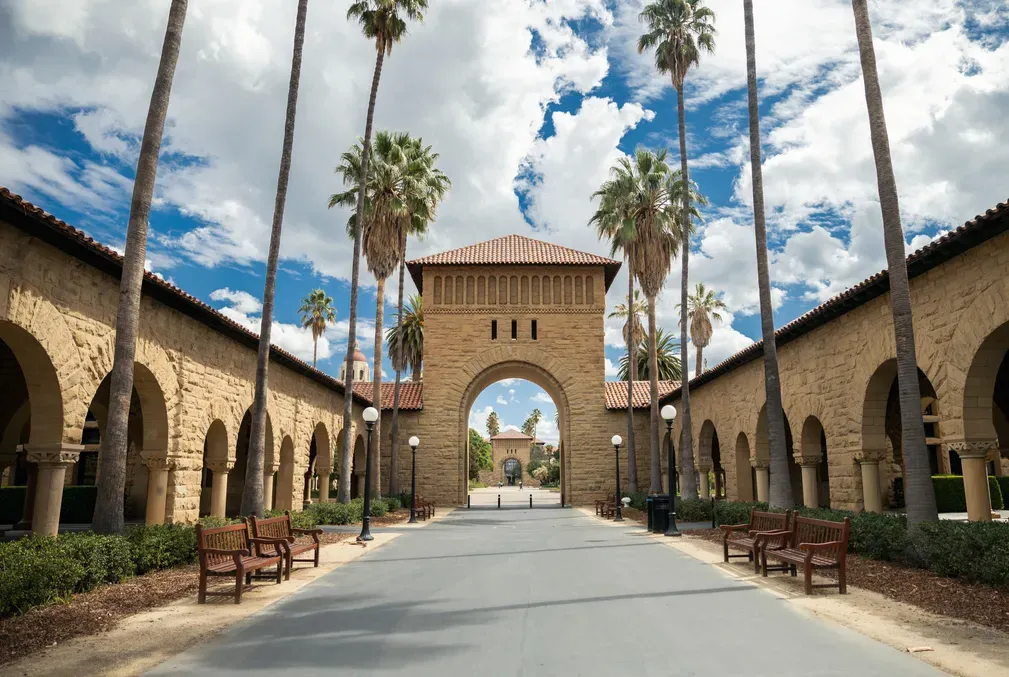
High-resolution look inside living cells now possible without fluorescence
A microscope developed at Stanford can reveal the interaction of nanostructures inside living cells at the highest resolution yet, about 120 nanometers, without the use of fluorescent labels. The technology could lead to a host of new advances in the life sciences.

Featured News

March 6, 2026
Historian leads project to design new AI architecture for humanities research
The effort, which recently received support from Schmidt Sciences, seeks to design an artificial intelligence framework based on historians’ research practices to examine complex and layered historical documents.
March 5, 2026
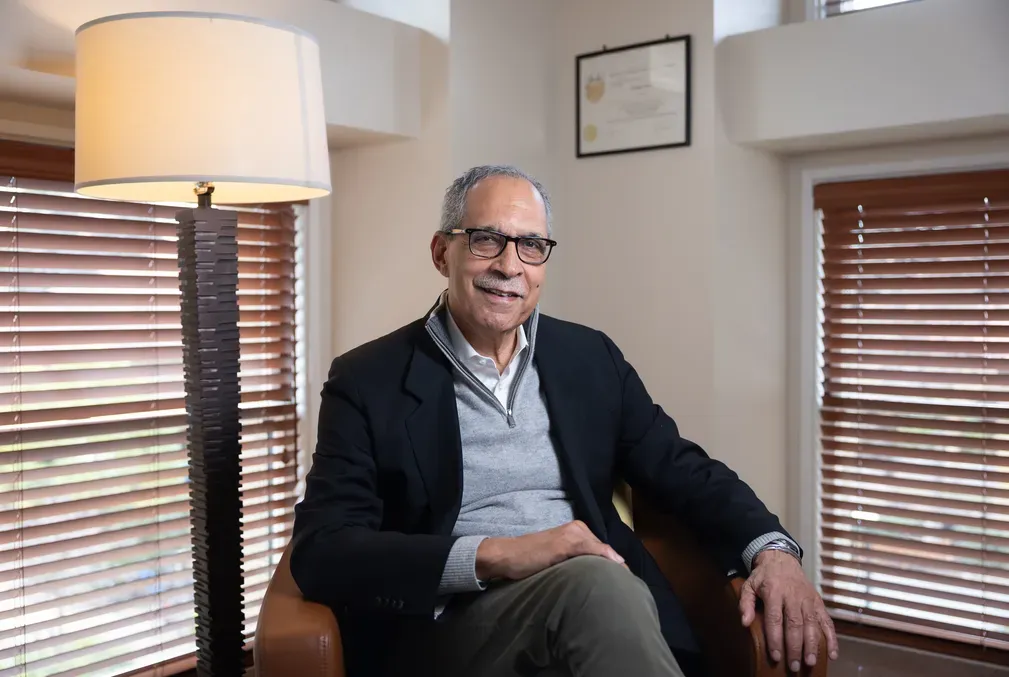
New book explores the tension that can exist between people of different identities—and how to overcome it
In Churn, social psychologist Claude Steele examines the challenge of diversity and offers a new approach to making it work.
February 27, 2026
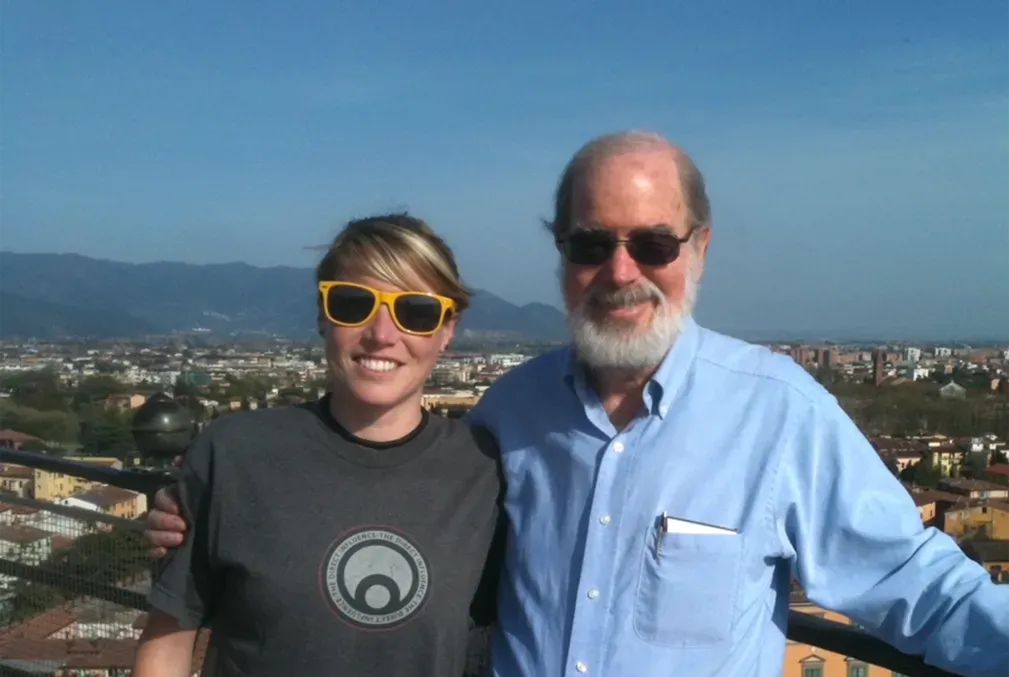
A life-changing shift from neuroscience to cystic fibrosis research
Stanford psychologist Jeff Wine dedicated his career to improving outcomes for cystic fibrosis patients, including his own daughter.

Understanding our world through research
Our faculty pursue curiosity-driven research across disciplines. Their foundational scholarship surfaces new understanding in an ever-evolving world and can lead to solutions for pressing problems.
Recent News
March 5, 2026
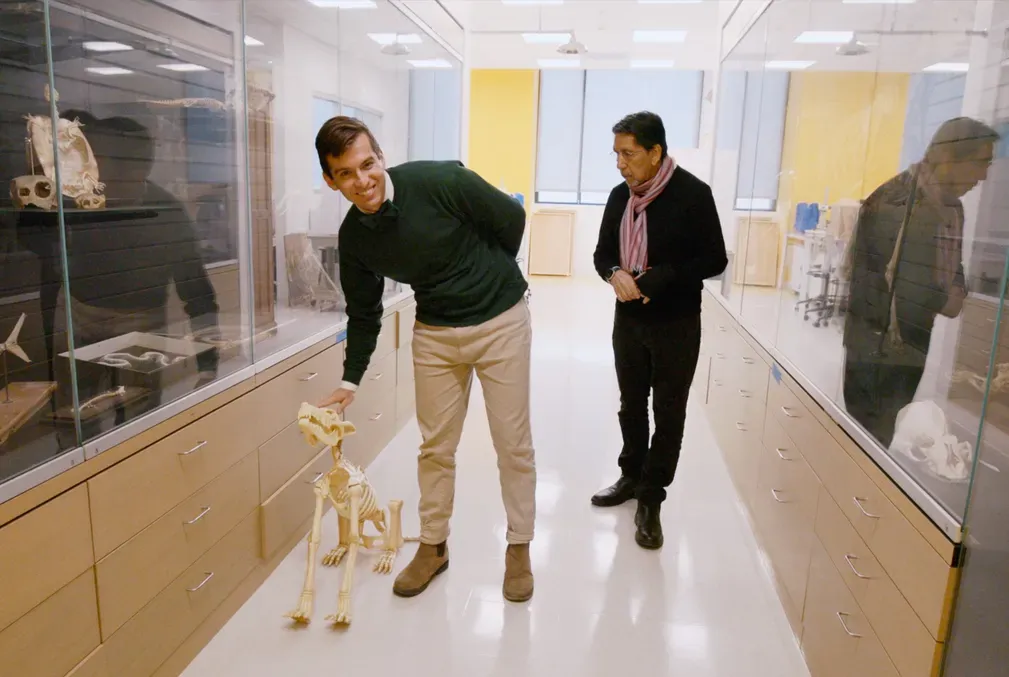
Go behind the science with Rodolfo Dirzo
February 25, 2026
Tony Heinz wins 2026 Optica award
February 10, 2026
Carolyn Bertozzi named Royal Society of Chemistry Honorary Fellow

January 28, 2026
Light-based platform sets the stage for quantum supercomputers
January 28, 2026
New chip-sized optical amplifier can intensify light 100 times
January 8, 2026
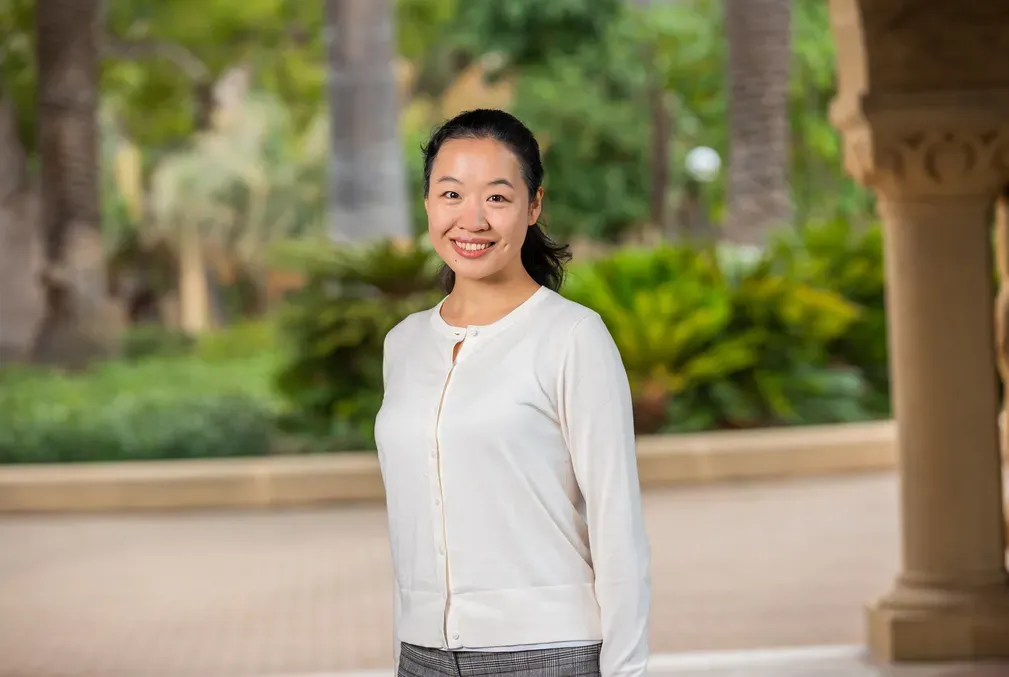
Fang Liu wins Scialog awards
January 6, 2026
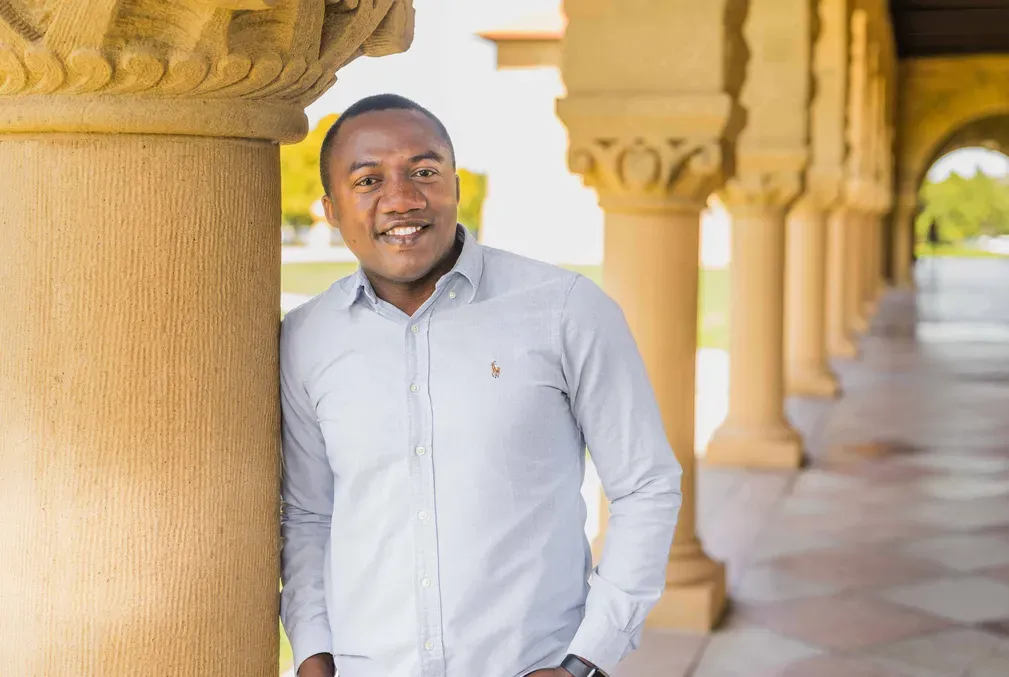
Barnabas Daru receives International Biogeography Society award
December 17, 2025
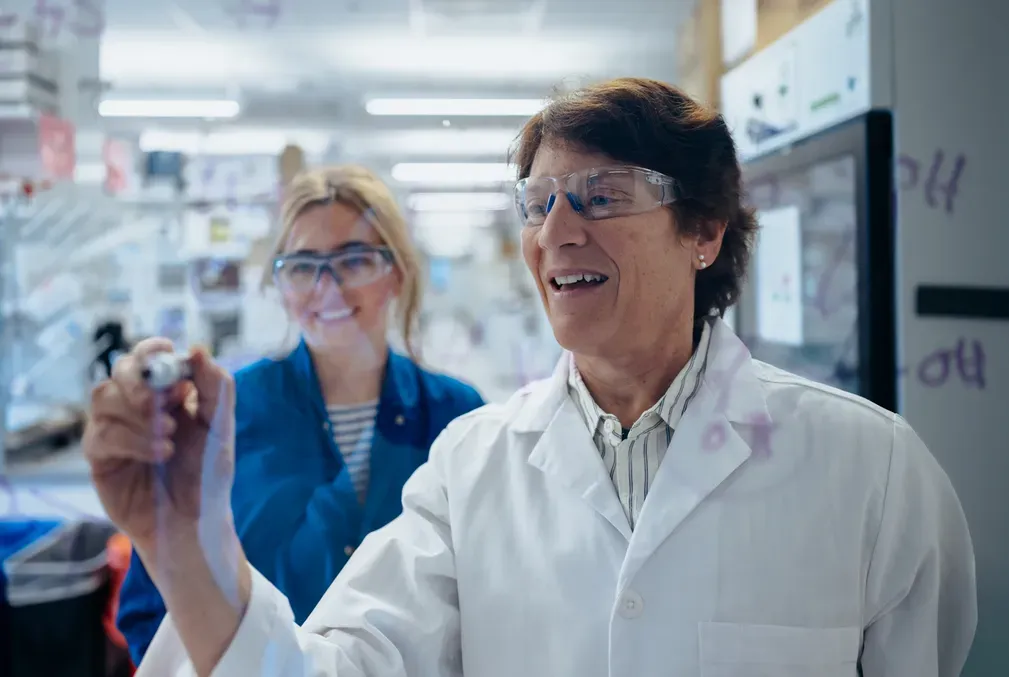
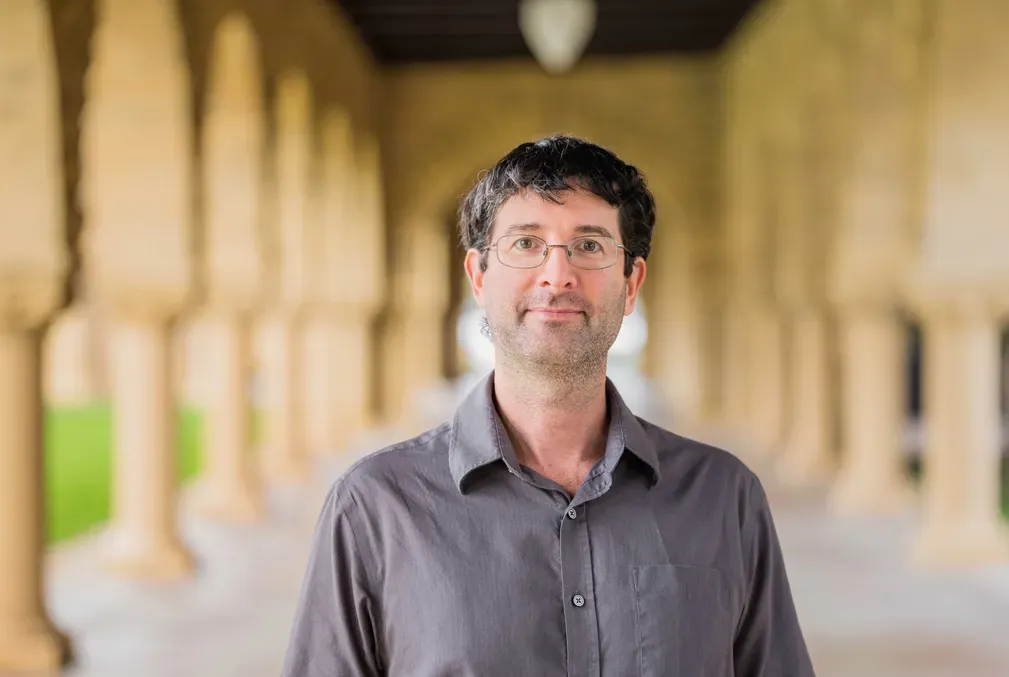
Neurodiversity could be an essential consequence of human evolution

December 17, 2025
Todd Smith, pioneer in the field of free-electron lasers, dies at 85

December 16, 2025
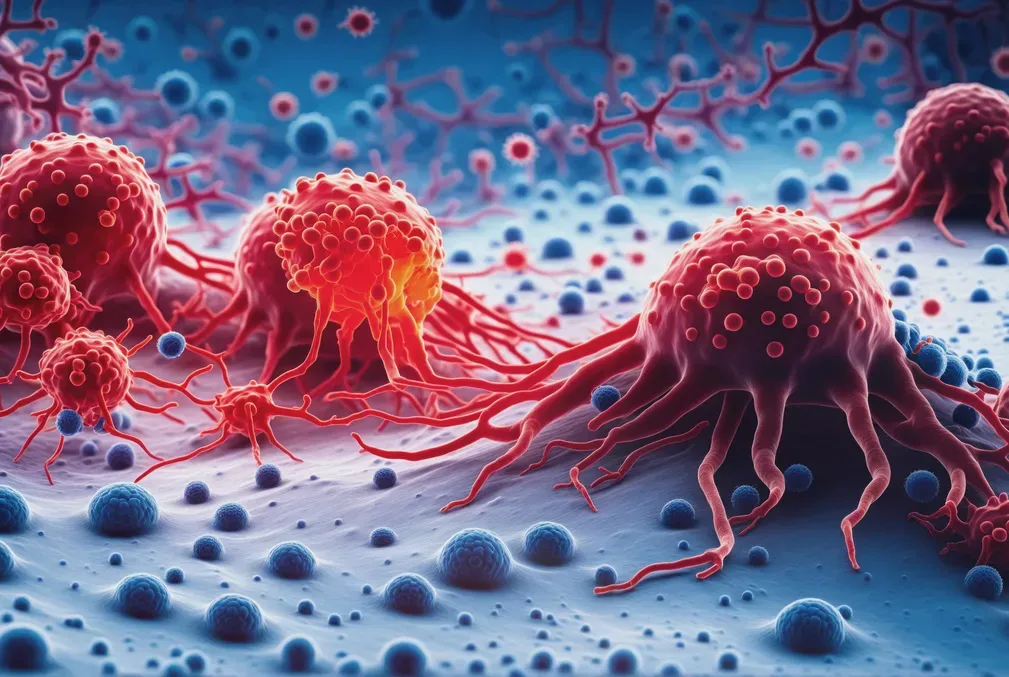
Advance could expand immune therapy as a cancer treatment
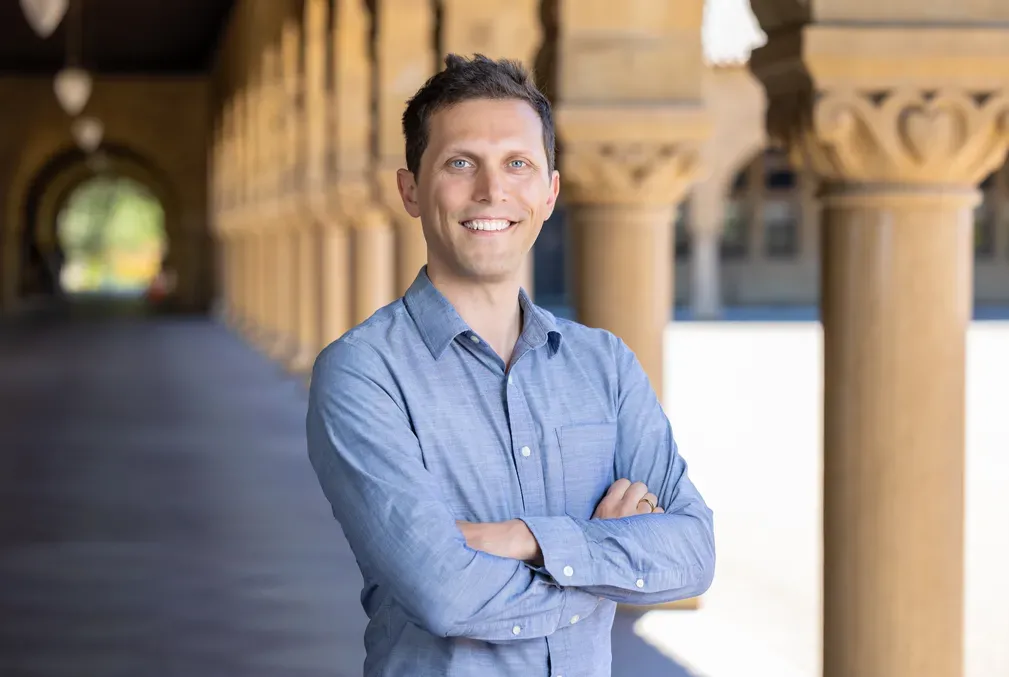
December 4, 2025
Benjamin Good wins APS Early Career Award
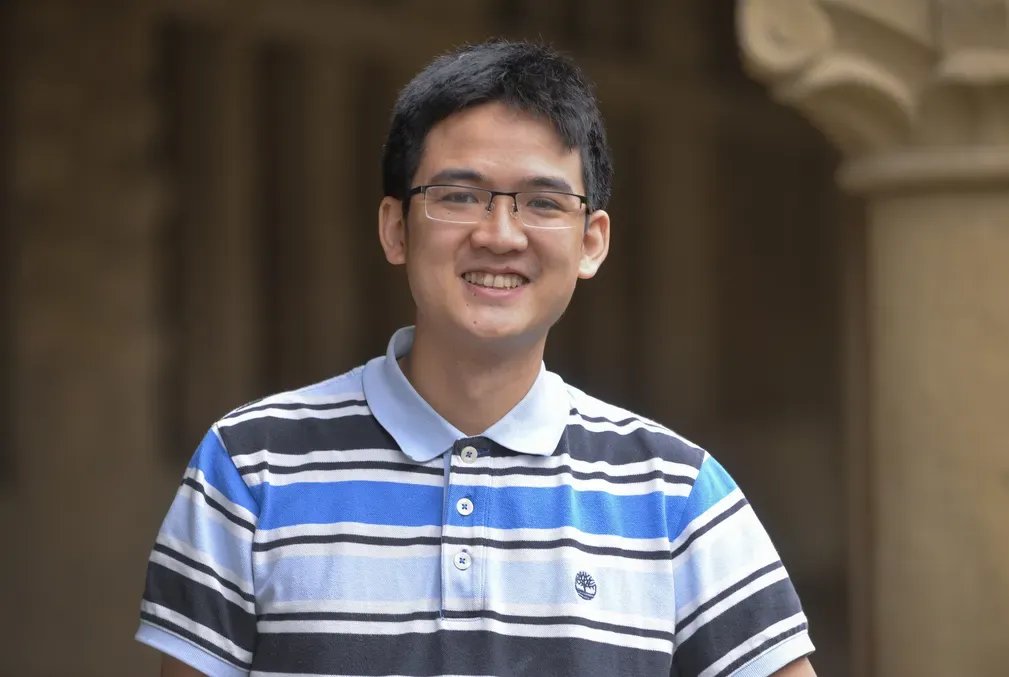
December 2, 2025
Jonathan Luk receives American Mathematical Society award
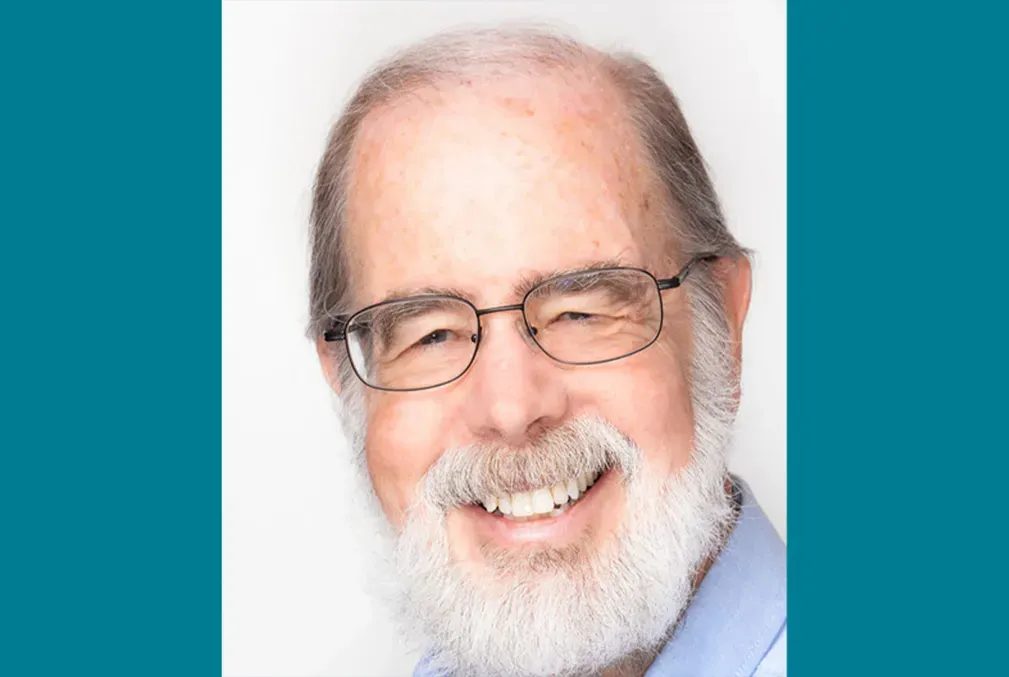
November 17, 2025
Jeff Wine receives honor from Cystic Fibrosis Foundation
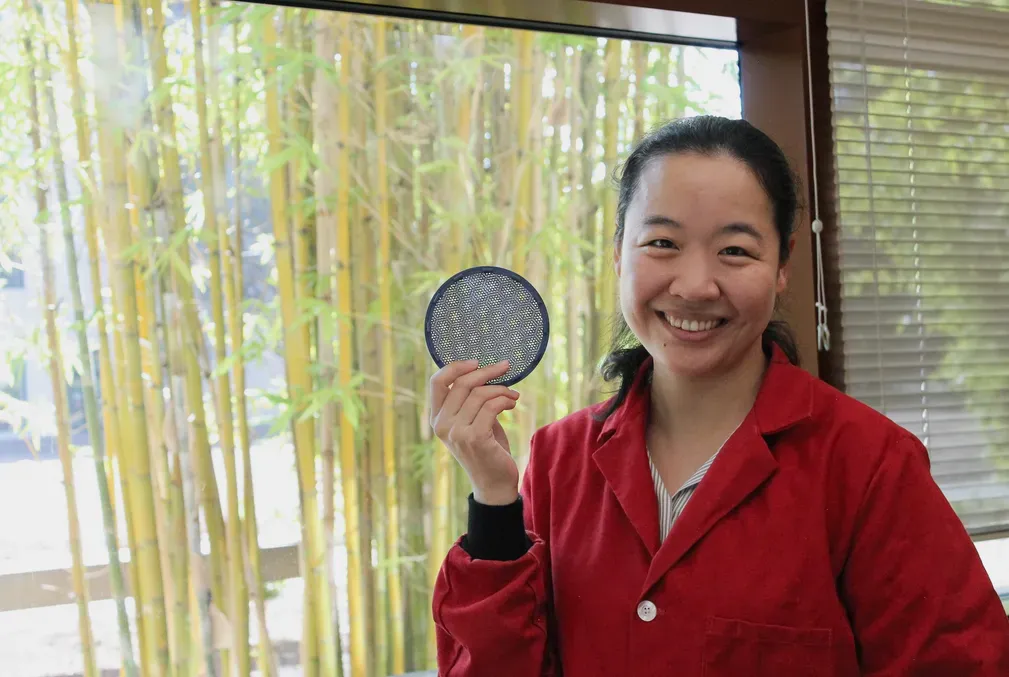
November 13, 2025
Light causes atomic layers to do the twist
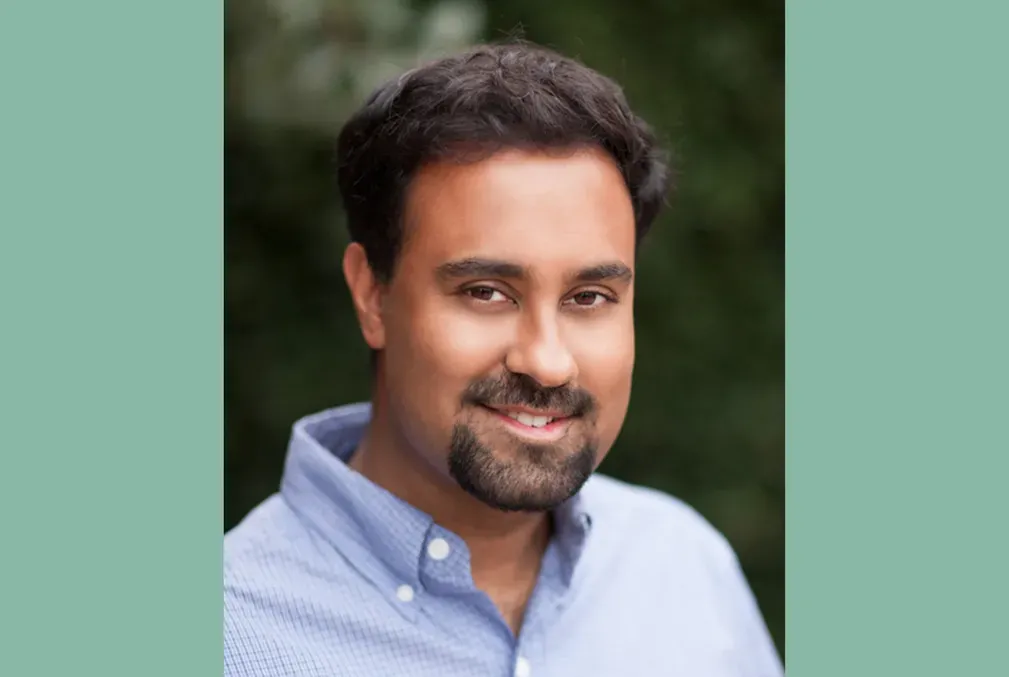
November 5, 2025
Surya Ganguli named AI2050 Senior Fellow
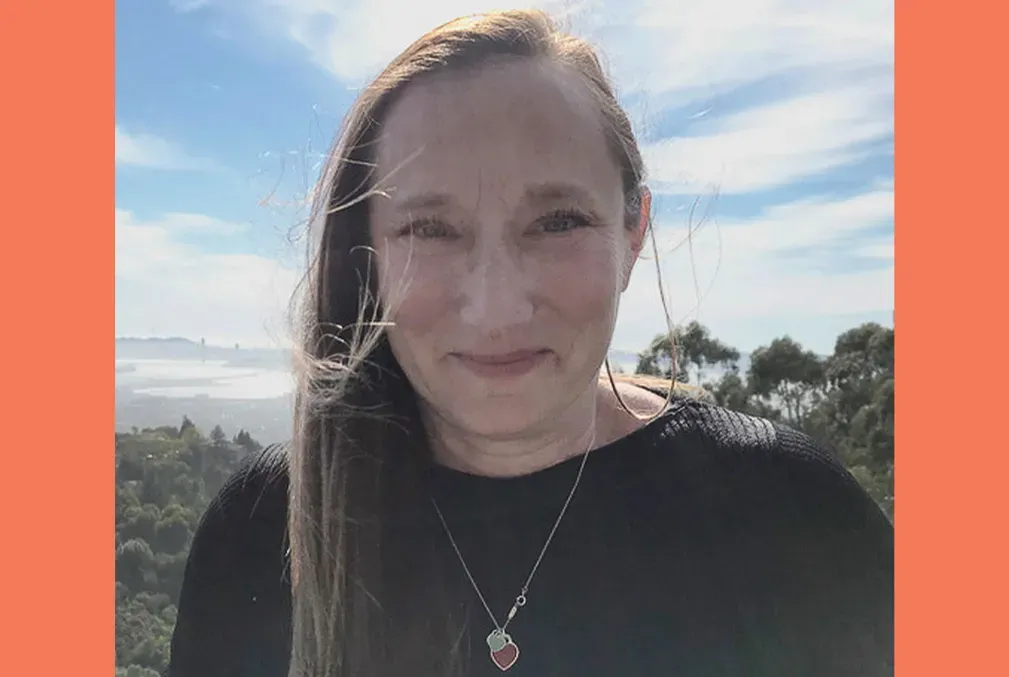
November 4, 2025
Judith Frydman awarded European Research Council Synergy Grant
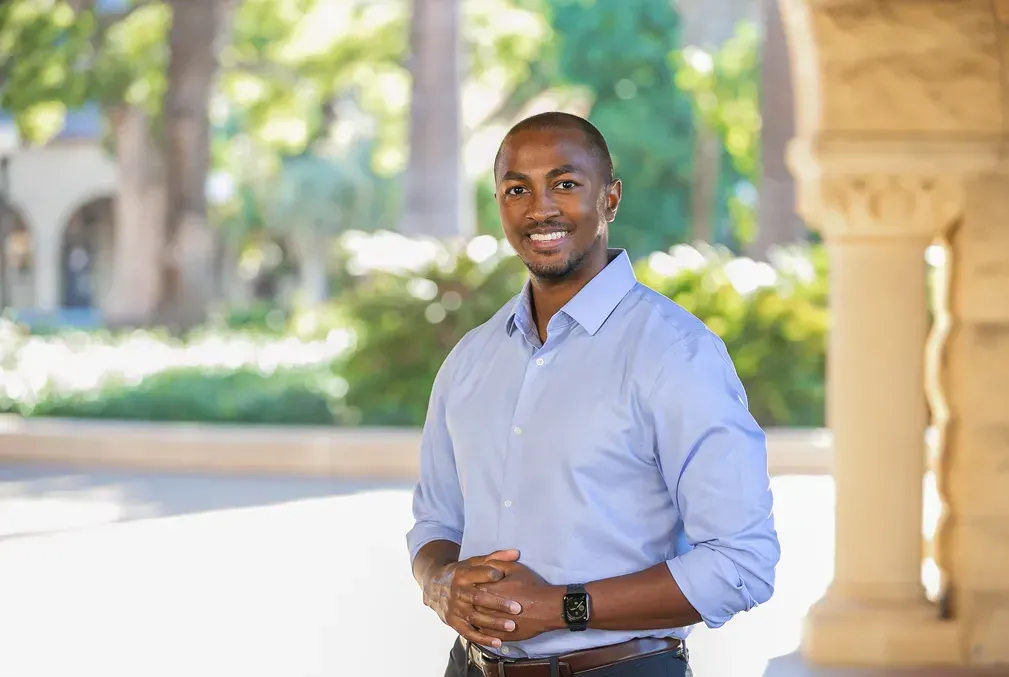
October 22, 2025
Christopher O. Barnes named HHMI Freeman Hrabowski Scholar
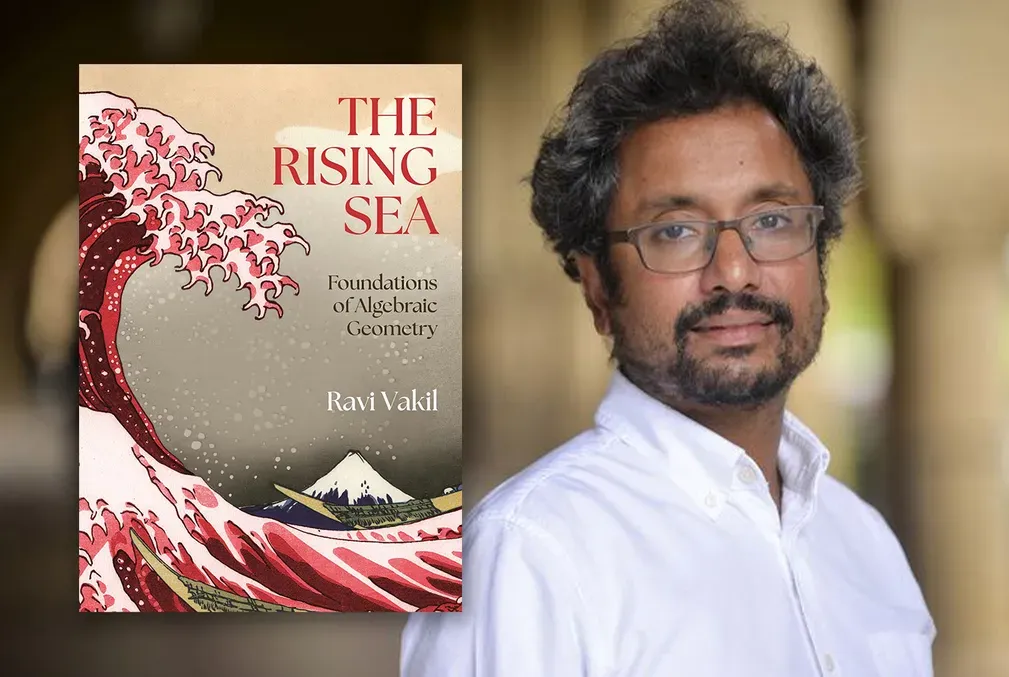
October 21, 2025
The Rising Sea by Ravi Vakil, Mathematics
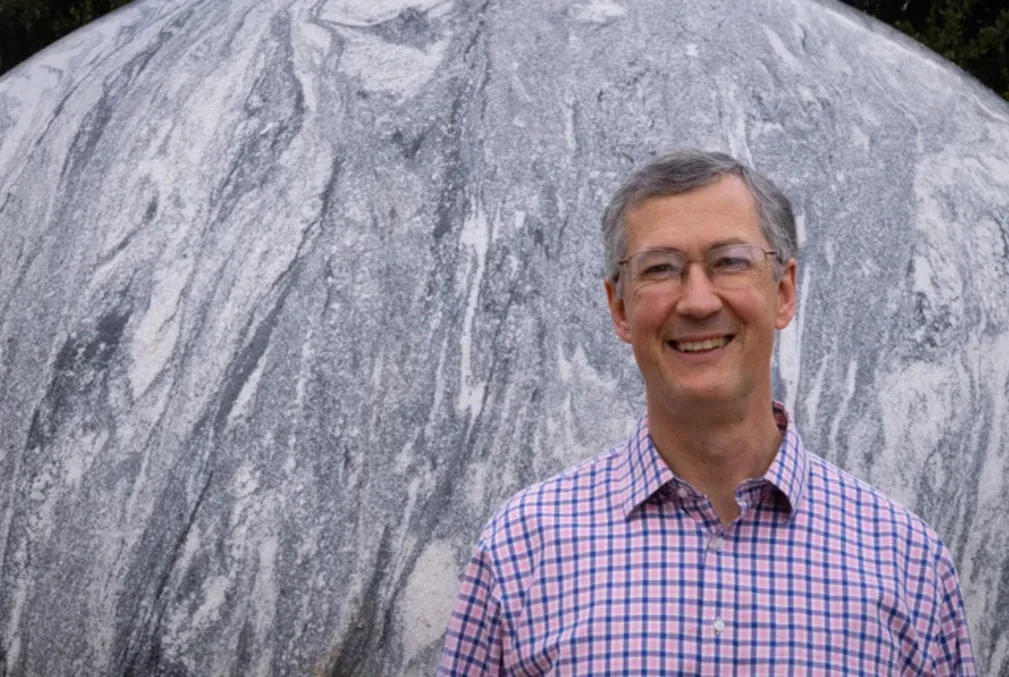
October 13, 2025
Brian Lantz named American Physical Society Fellow
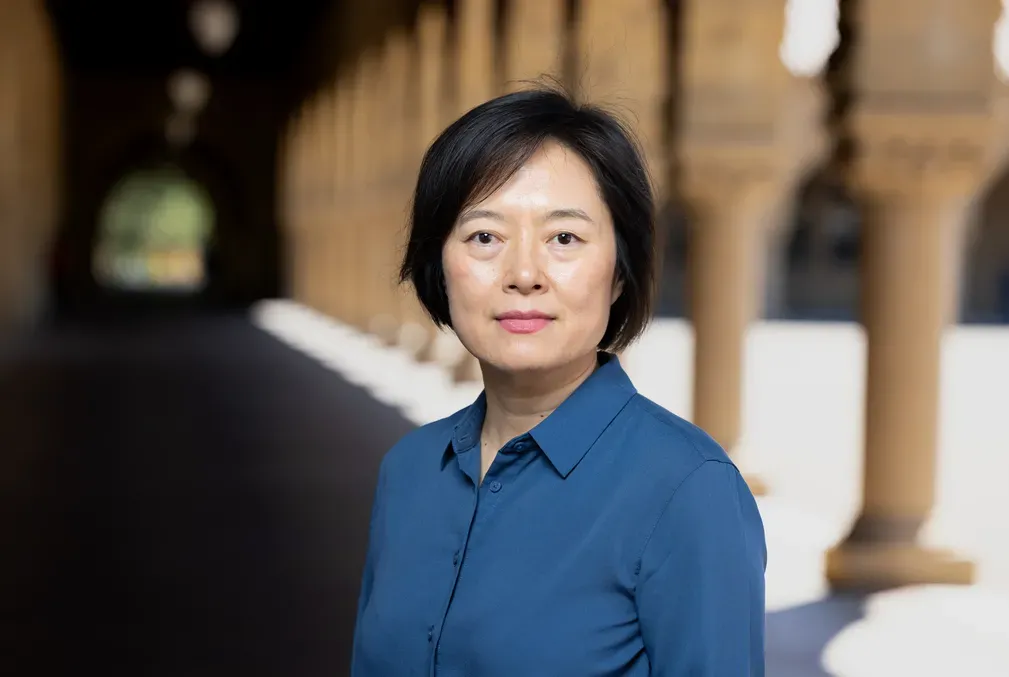
October 8, 2025
Bianxiao Cui receives NIH High-Risk, High-Reward grant
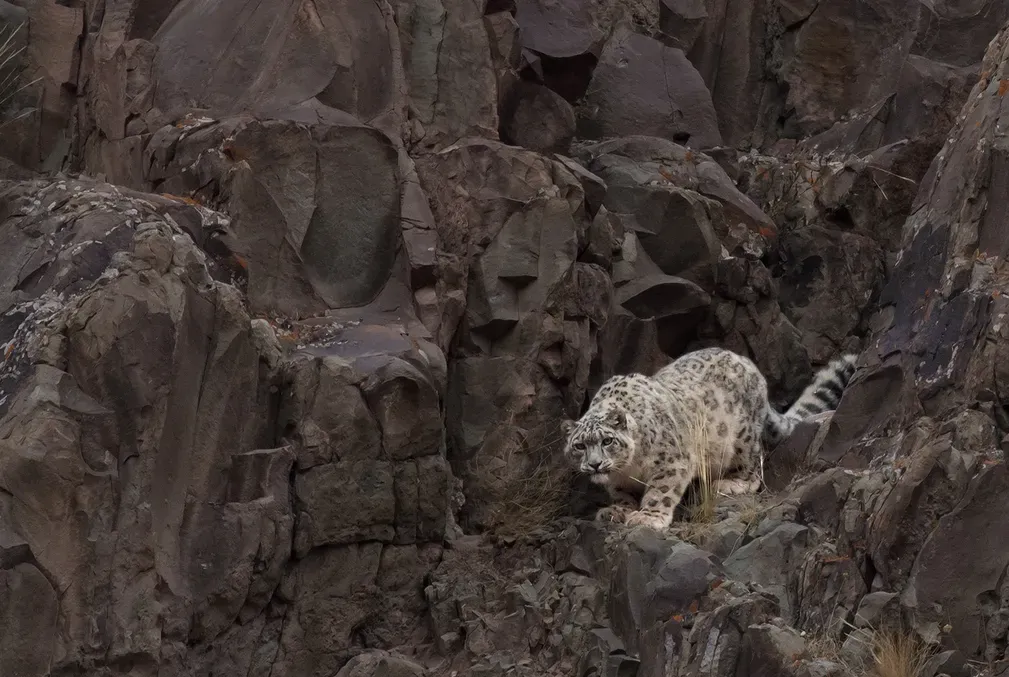
October 7, 2025
Snow leopards’ low genetic diversity puts future at risk
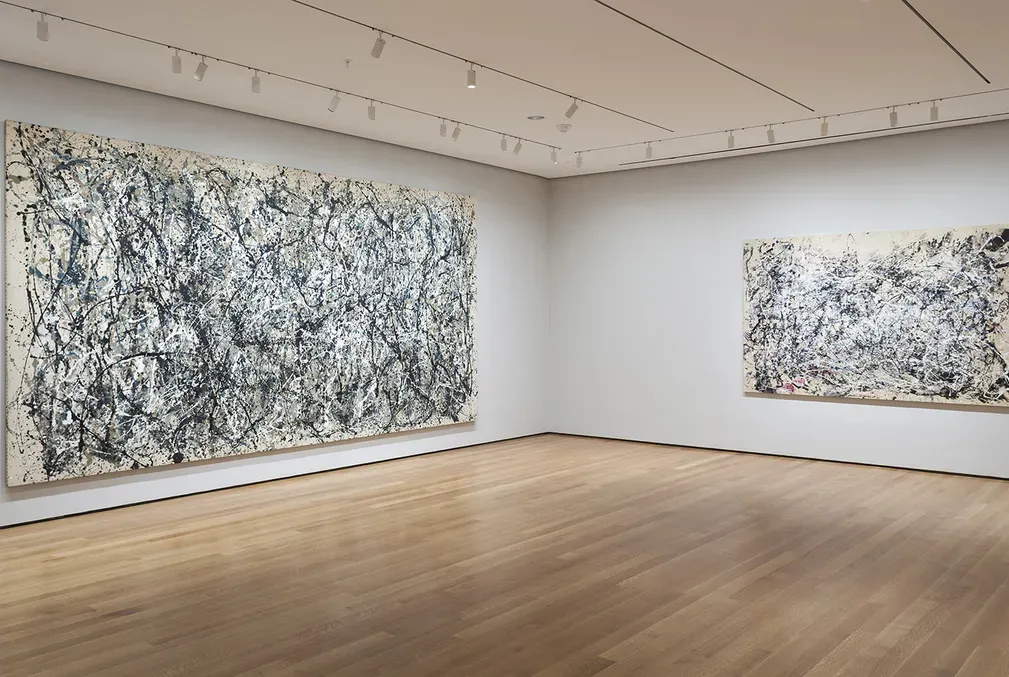
October 6, 2025
Unraveling the mystery of Jackson Pollock’s blue

September 19, 2025
Philip Bucksbaum receives NSF/UKRI quantum chemistry award
September 15, 2025
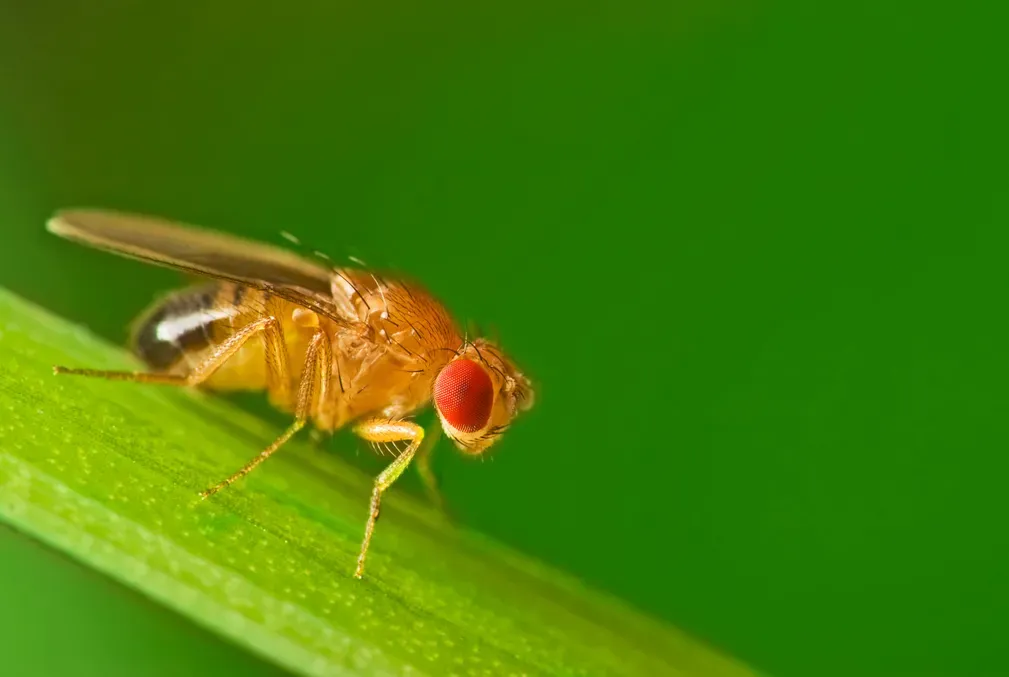
Classic recessive-or-dominant gene dynamics may not be so simple

September 11, 2025
Richard Schoen wins World Laureates Association Prize
September 8, 2025
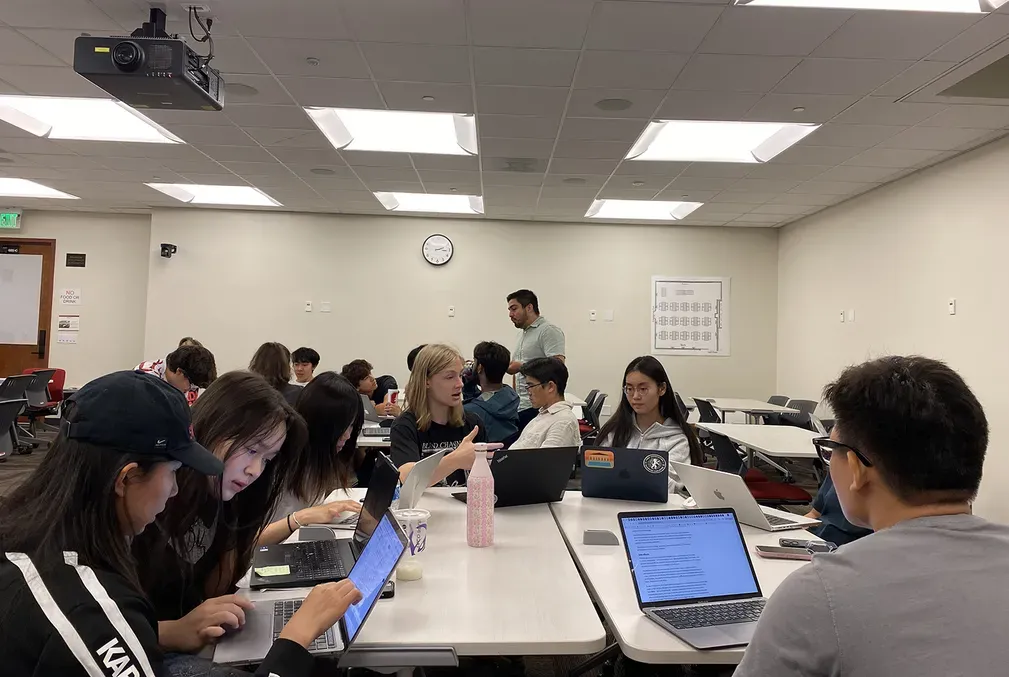
Biology students explore hot-button science topics in the news

September 4, 2025
Three reasons why universities are crucial for understanding AI
July 31, 2025
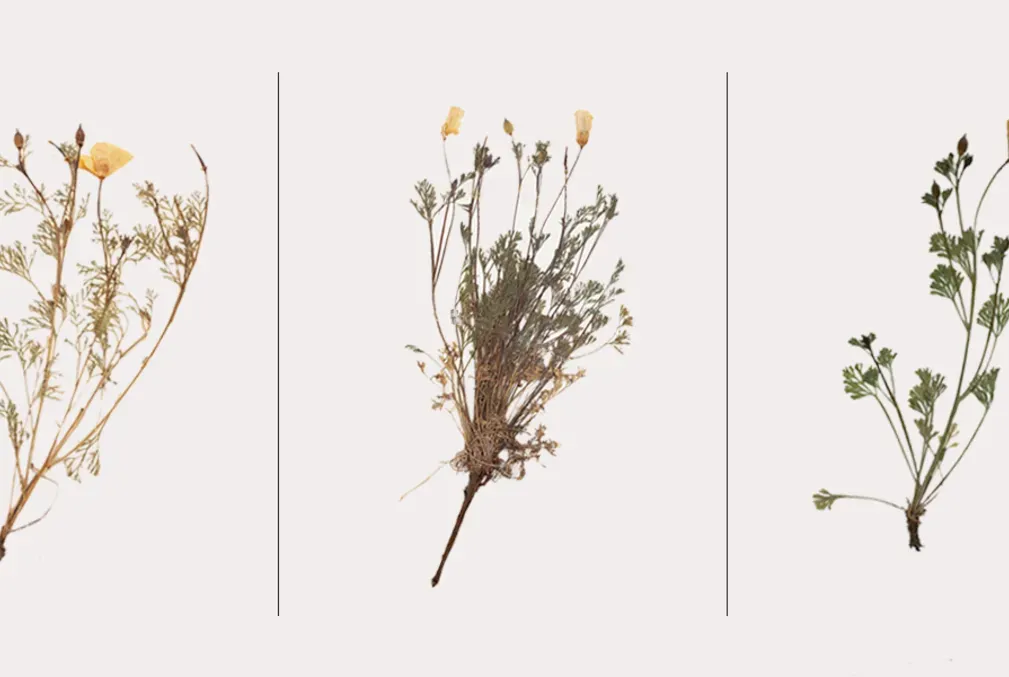
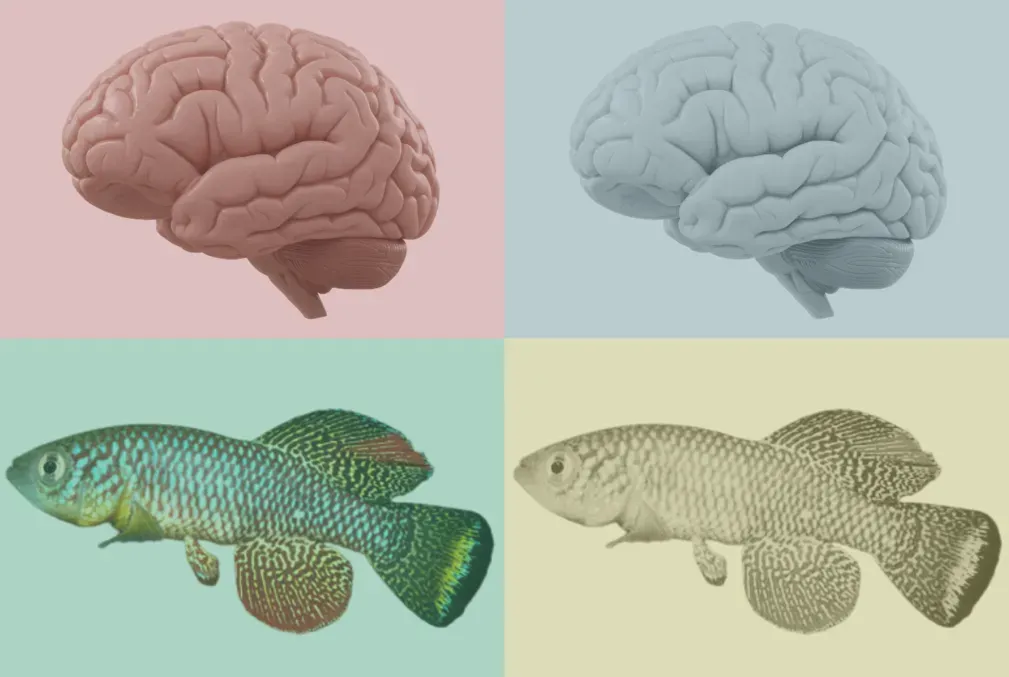
Study pinpoints key mechanism of brain aging

July 30, 2025
Energy supplied by gut microbiome depends on diet


June 16, 2025