
High-resolution look inside living cells now possible without fluorescence
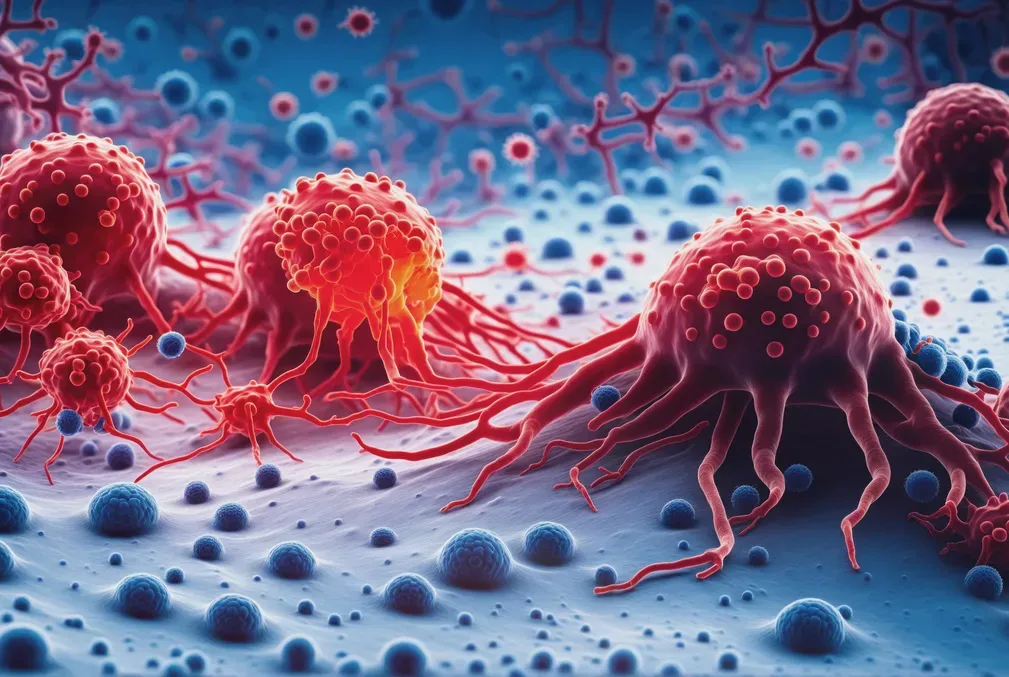
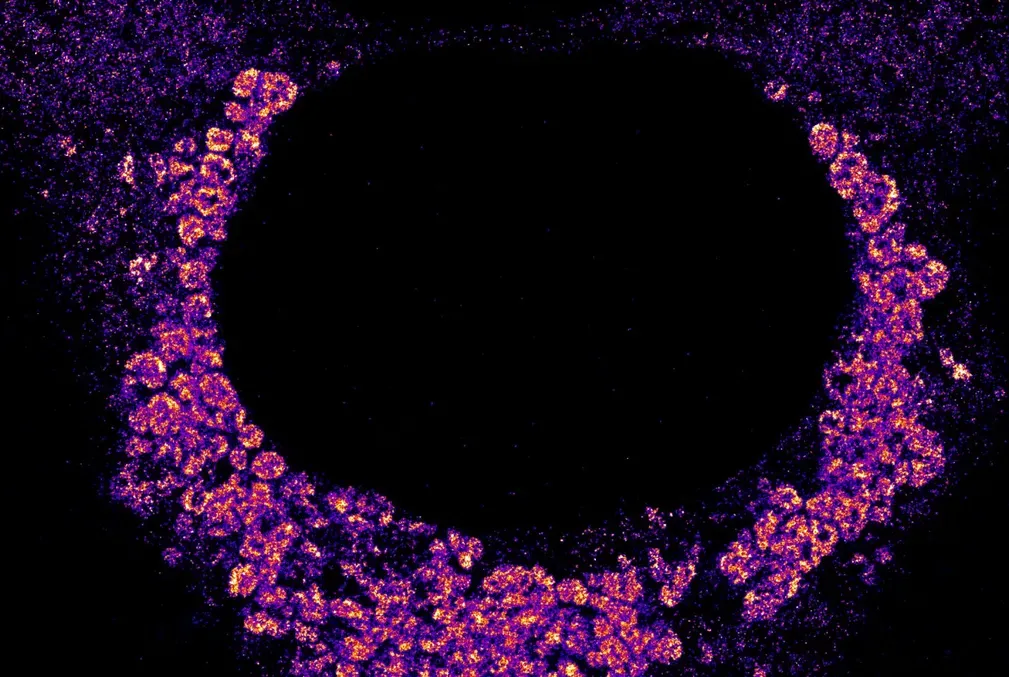
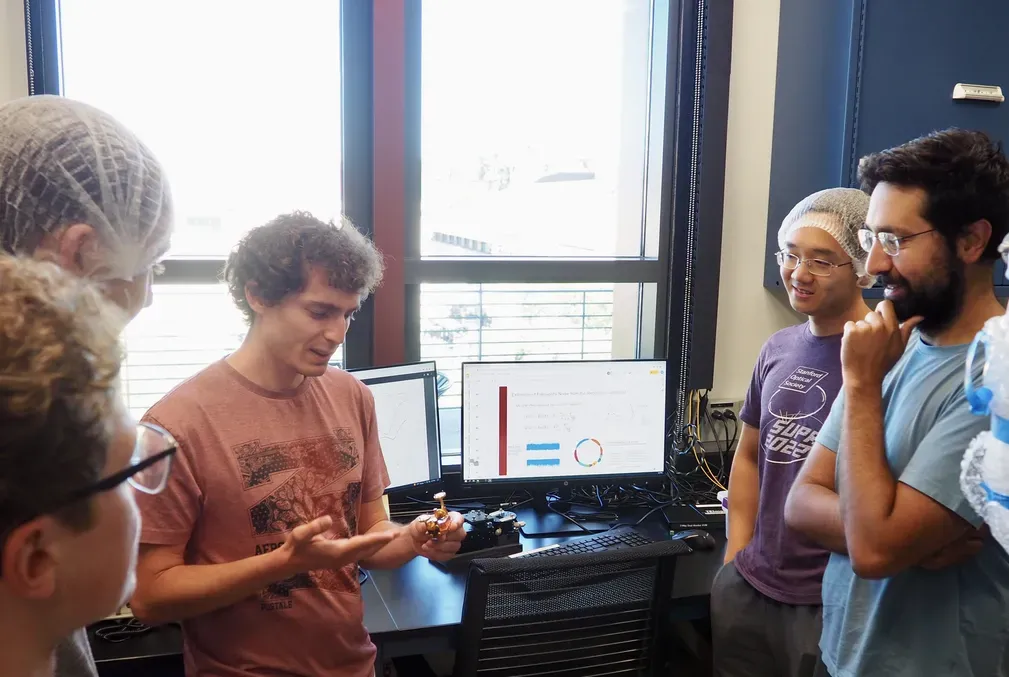
A microscope developed at Stanford can reveal the interaction of nanostructures inside living cells at the highest resolution yet, about 120 nanometers, without the use of fluorescent labels. The technology could lead to a host of new advances in the life sciences.

Featured News
March 20, 2026
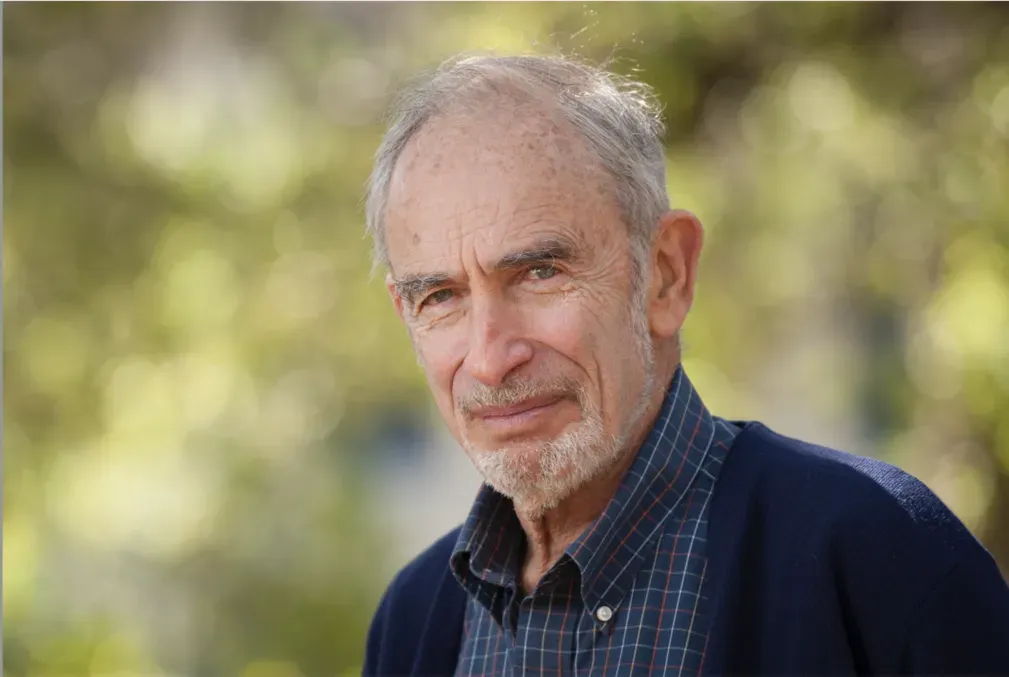
Biologist and environmentalist Paul Ehrlich has died
The longtime Stanford professor, a giant in his field of evolutionary and population biology, also led the effort to establish Jasper Ridge Biological Preserve.

March 6, 2026
Historian leads project to design new AI architecture for humanities research
The effort, which recently received support from Schmidt Sciences, seeks to design an artificial intelligence framework based on historians’ research practices to examine complex and layered historical documents.
March 5, 2026
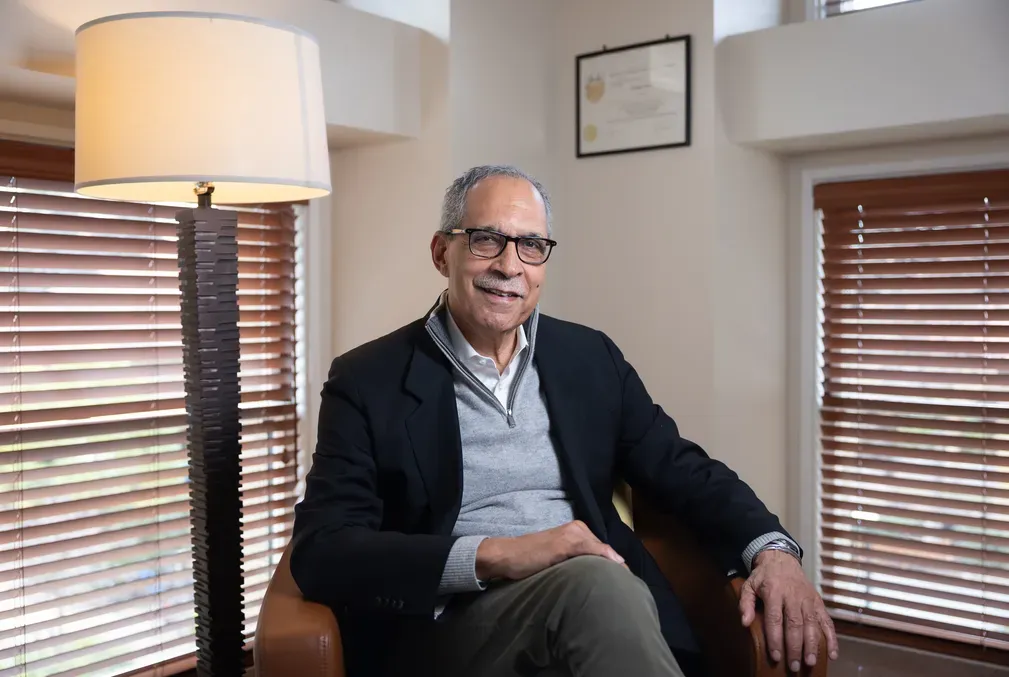
New book explores the tension that can exist between people of different identities—and how to overcome it
In Churn, social psychologist Claude Steele examines the challenge of diversity and offers a new approach to making it work.

Understanding our world through research
Our faculty pursue curiosity-driven research across disciplines. Their foundational scholarship surfaces new understanding in an ever-evolving world and can lead to solutions for pressing problems.
Recent News
March 5, 2026
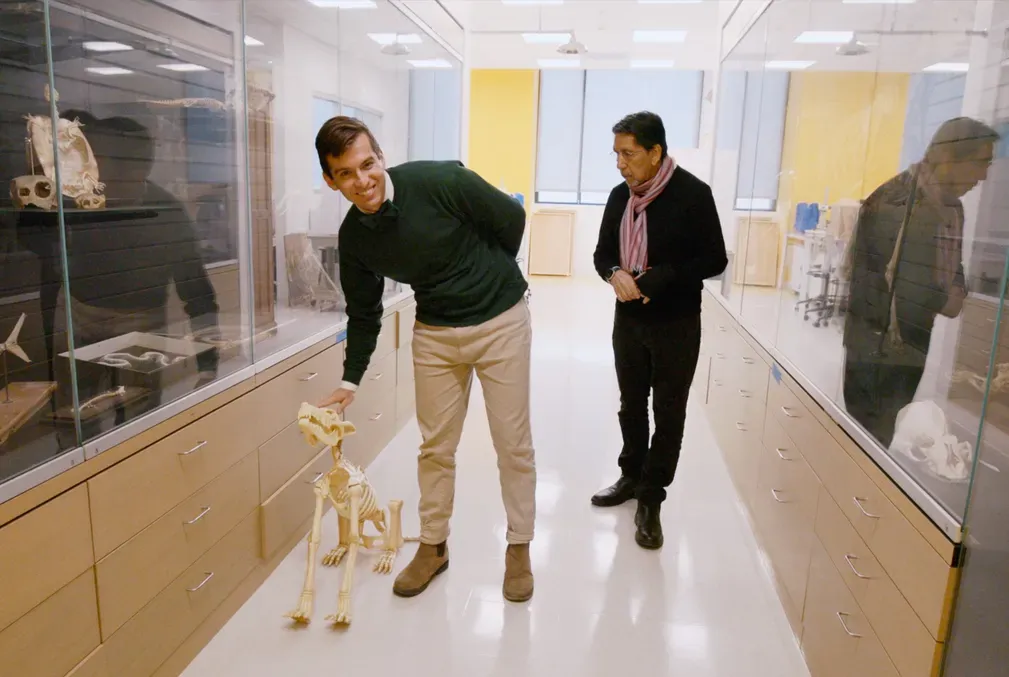
Go behind the science with Rodolfo Dirzo
February 27, 2026
A life-changing shift from neuroscience to cystic fibrosis research
February 25, 2026
Tony Heinz wins 2026 Optica award
February 10, 2026
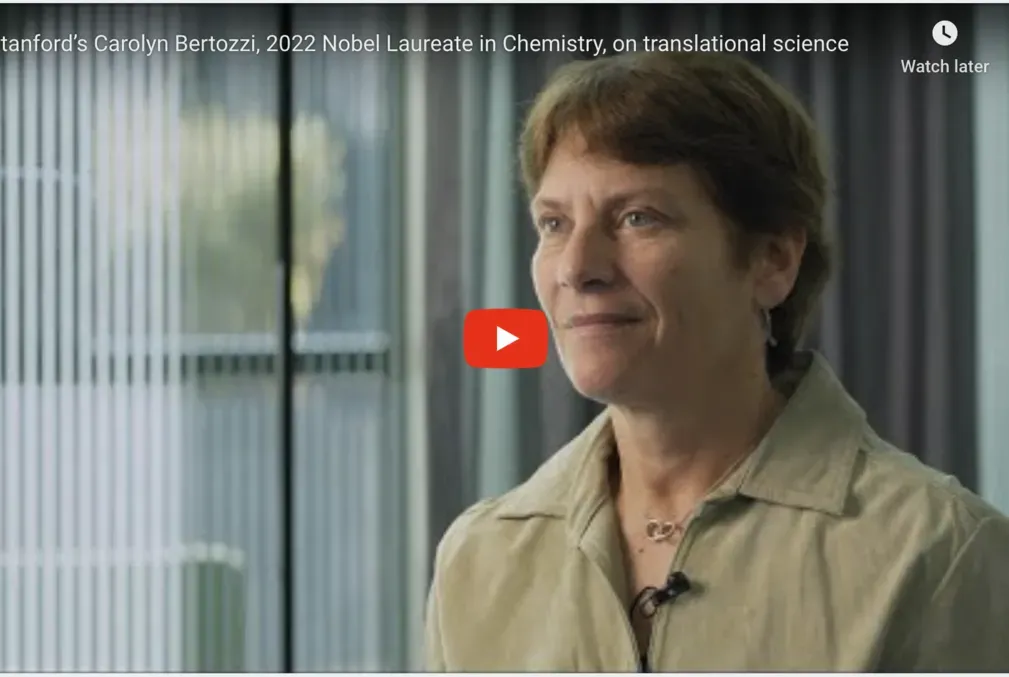
Carolyn Bertozzi named Royal Society of Chemistry Honorary Fellow
January 28, 2026
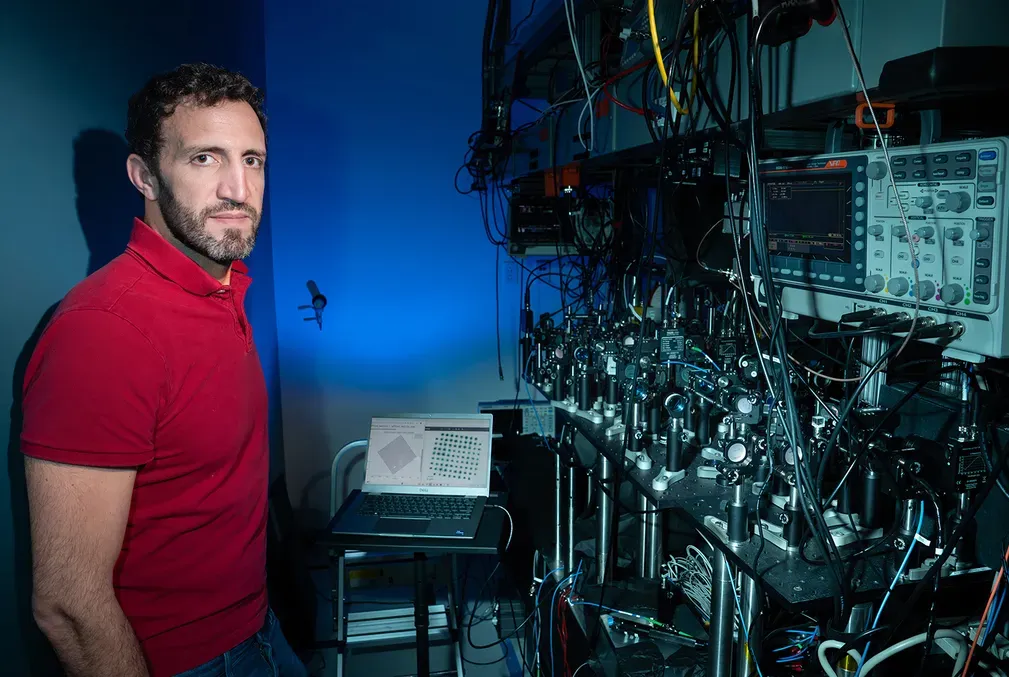
Light-based platform sets the stage for quantum supercomputers
January 28, 2026
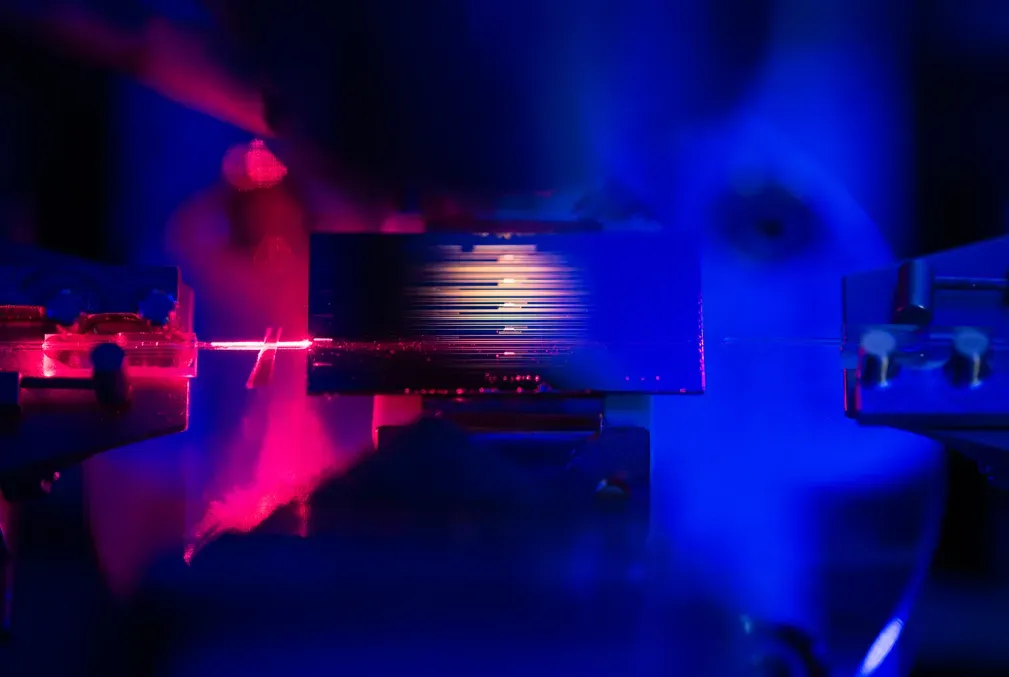
New chip-sized optical amplifier can intensify light 100 times
January 8, 2026
Fang Liu wins Scialog awards
January 6, 2026
Barnabas Daru receives International Biogeography Society award
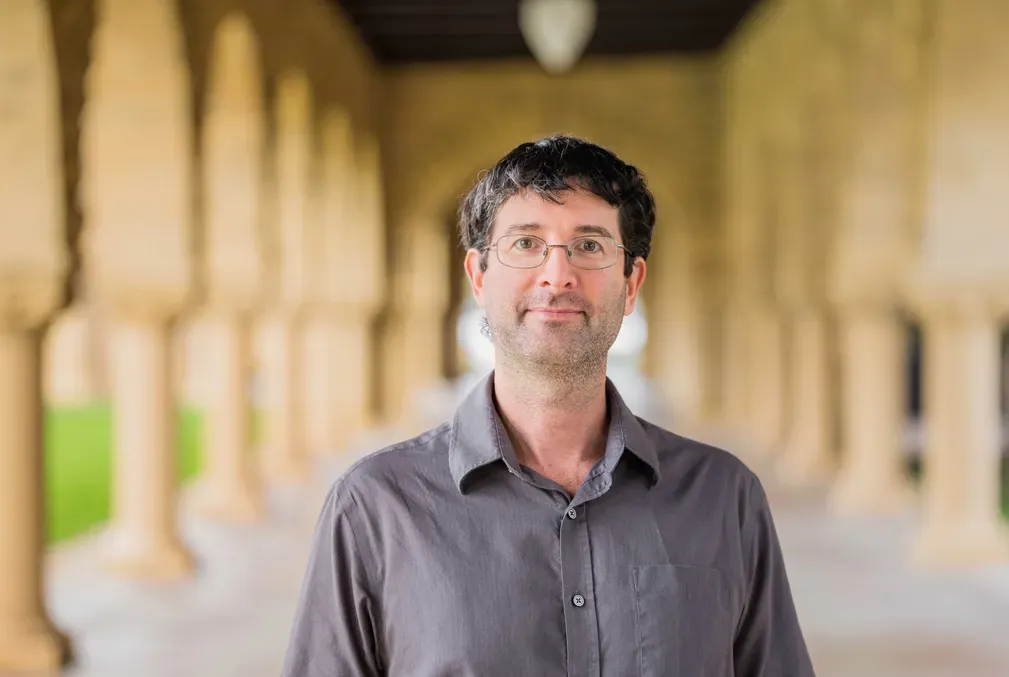
December 17, 2025
Neurodiversity could be an essential consequence of human evolution
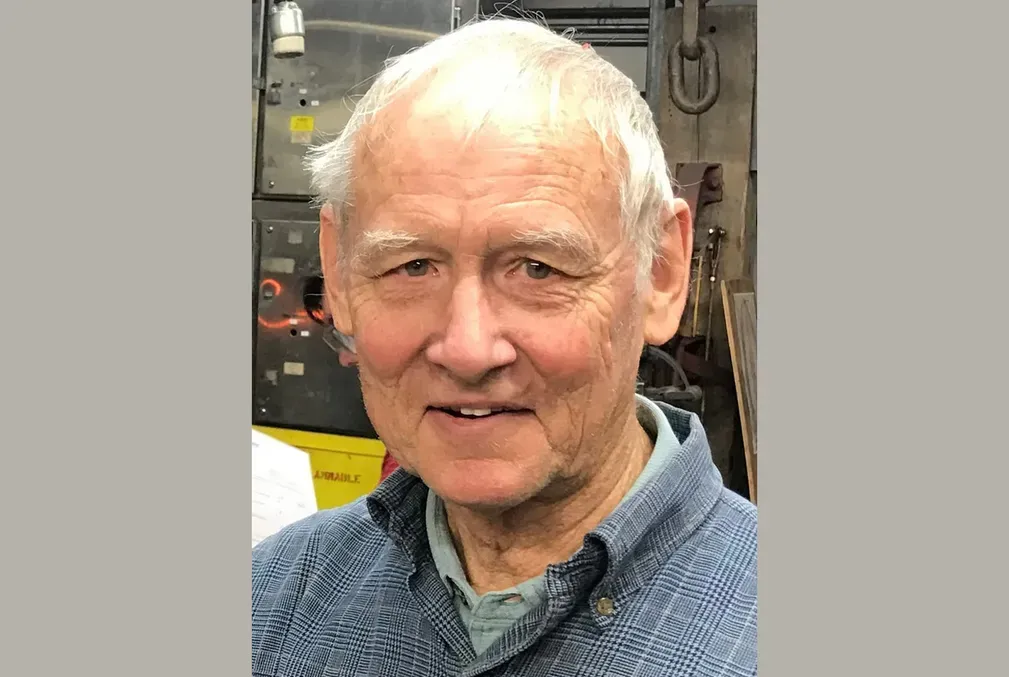
December 17, 2025
Todd Smith, pioneer in the field of free-electron lasers, dies at 85
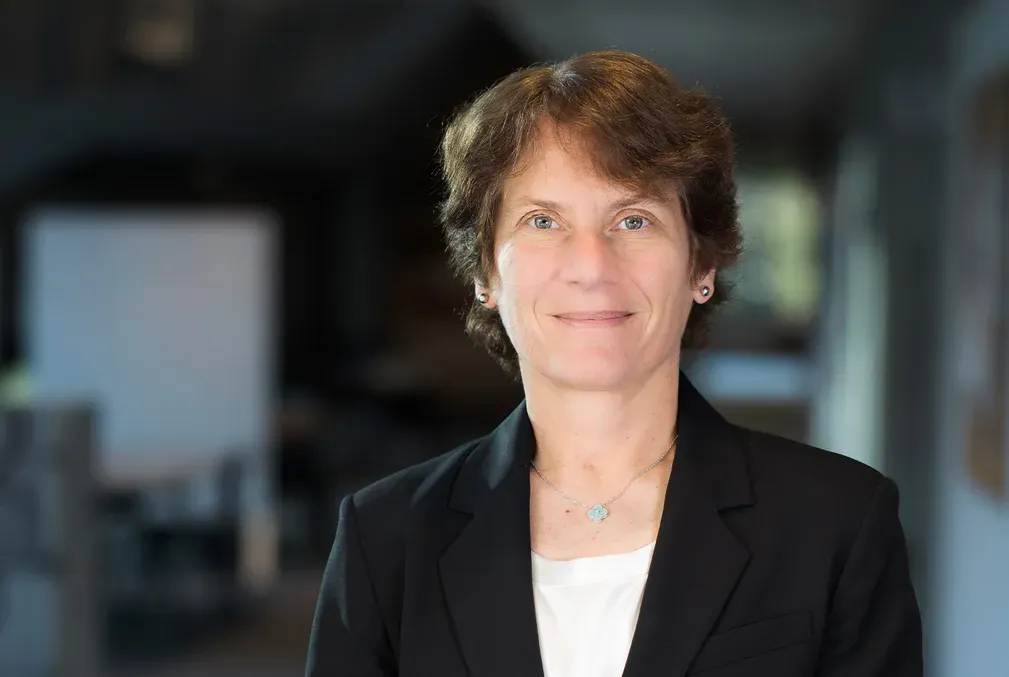
December 16, 2025
Advance could expand immune therapy as a cancer treatment
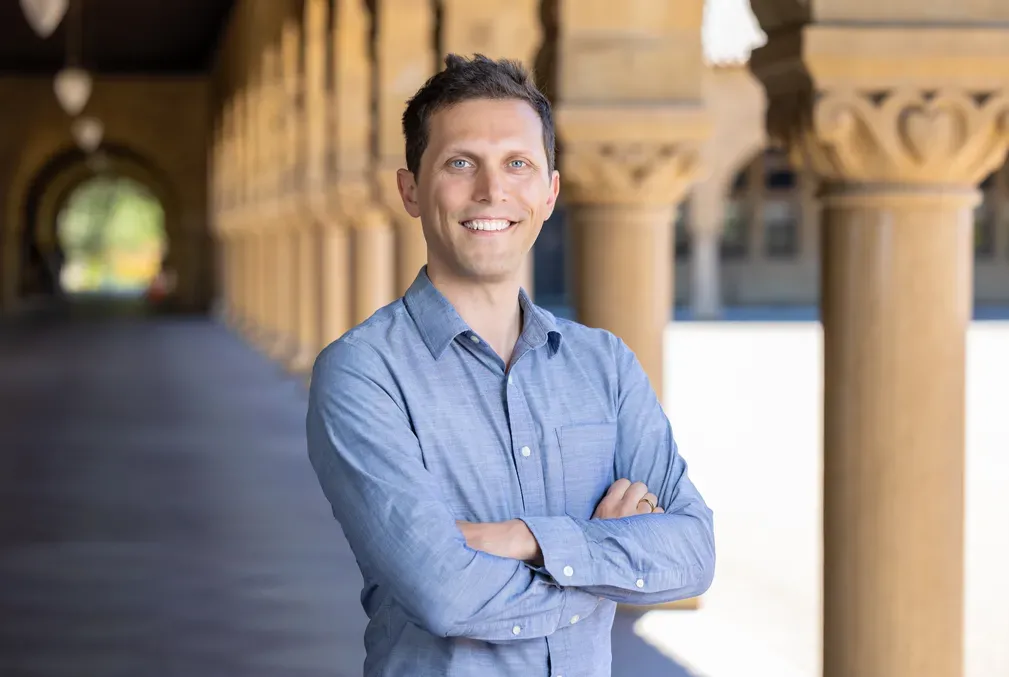
December 4, 2025
Benjamin Good wins APS Early Career Award
December 2, 2025
Jonathan Luk receives American Mathematical Society award
November 17, 2025
Jeff Wine receives honor from Cystic Fibrosis Foundation
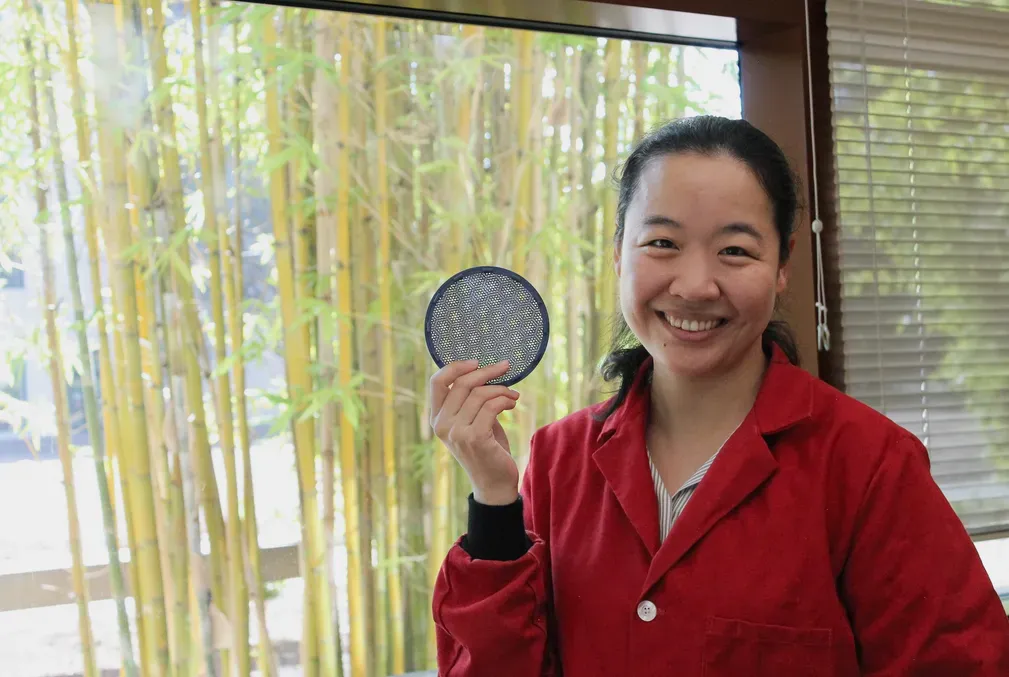
November 13, 2025
Light causes atomic layers to do the twist
November 5, 2025
Surya Ganguli named AI2050 Senior Fellow
November 4, 2025
Judith Frydman awarded European Research Council Synergy Grant
October 22, 2025
Christopher O. Barnes named HHMI Freeman Hrabowski Scholar
October 21, 2025
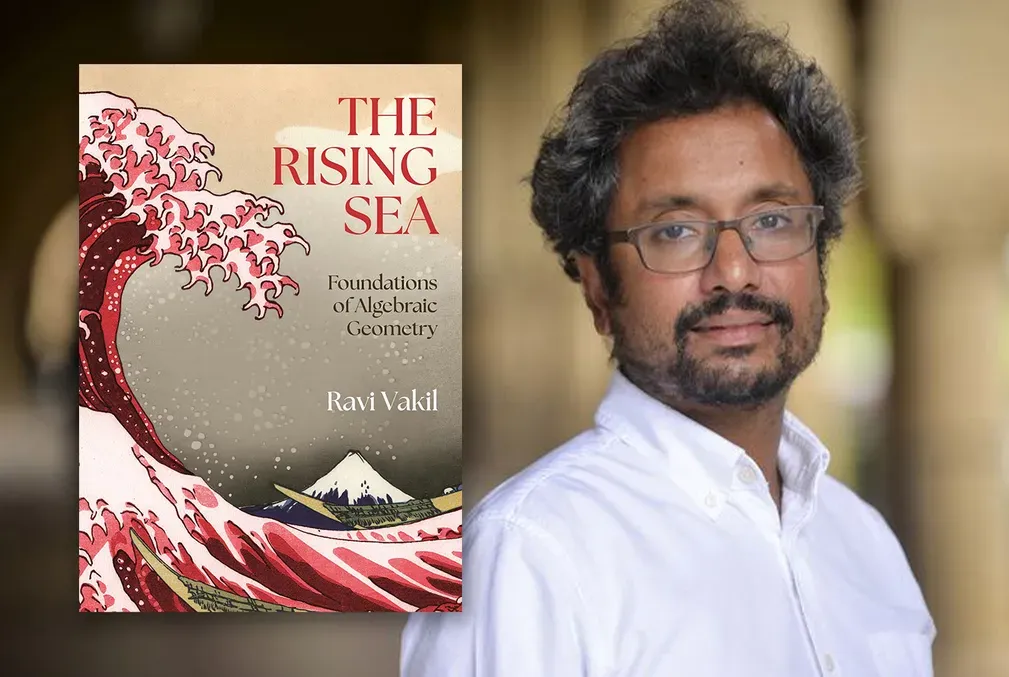
The Rising Sea by Ravi Vakil, Mathematics
October 13, 2025
Brian Lantz named American Physical Society Fellow
October 8, 2025
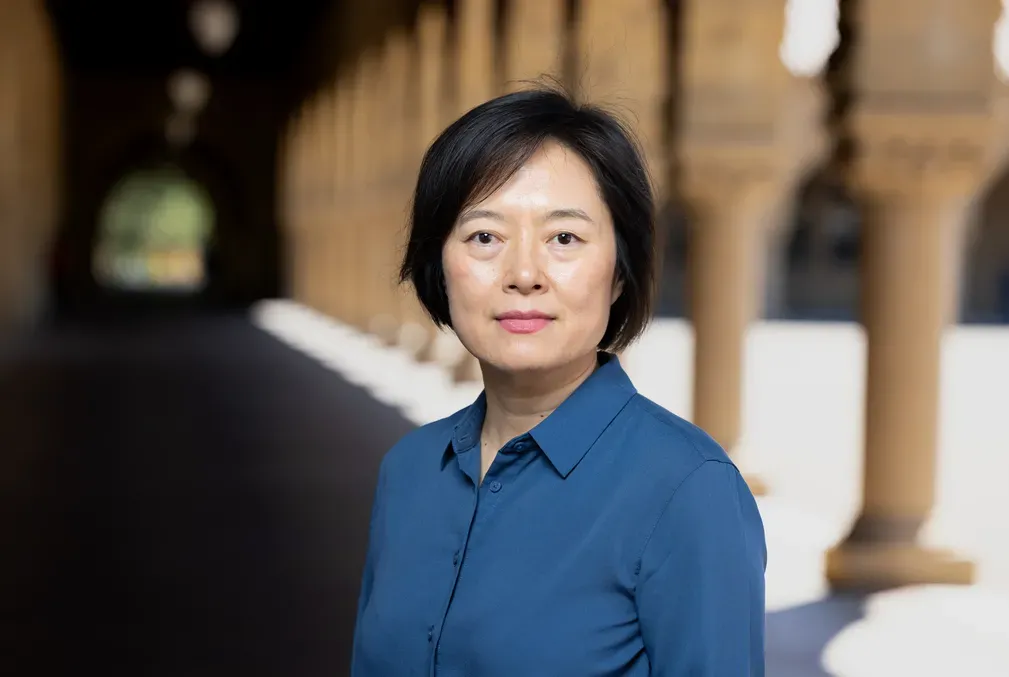
Bianxiao Cui receives NIH High-Risk, High-Reward grant
October 7, 2025
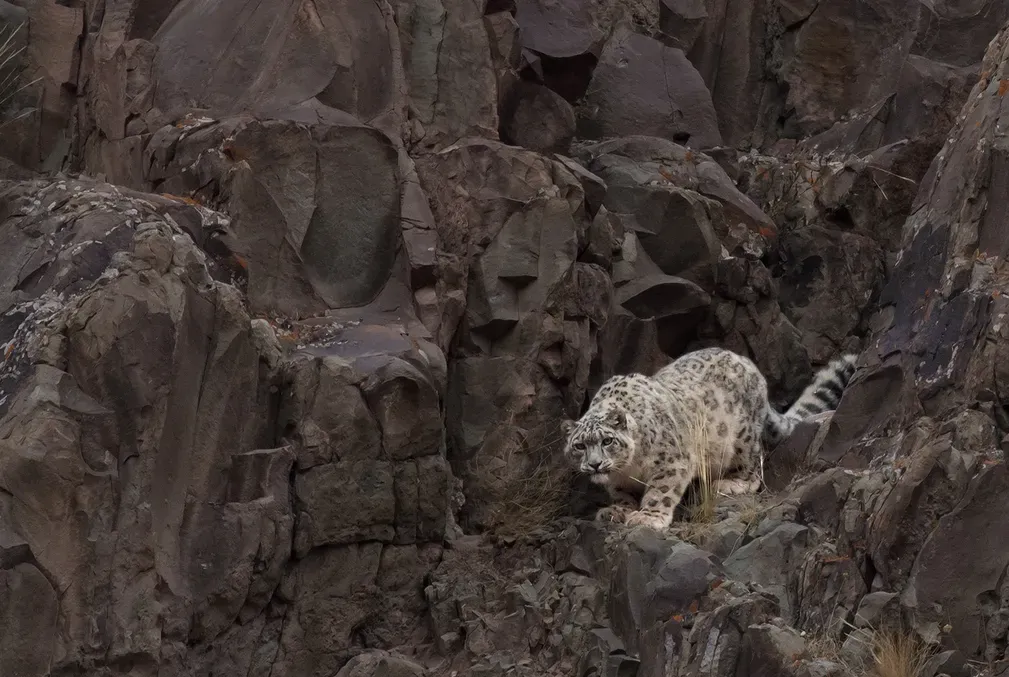
Snow leopards’ low genetic diversity puts future at risk
October 6, 2025
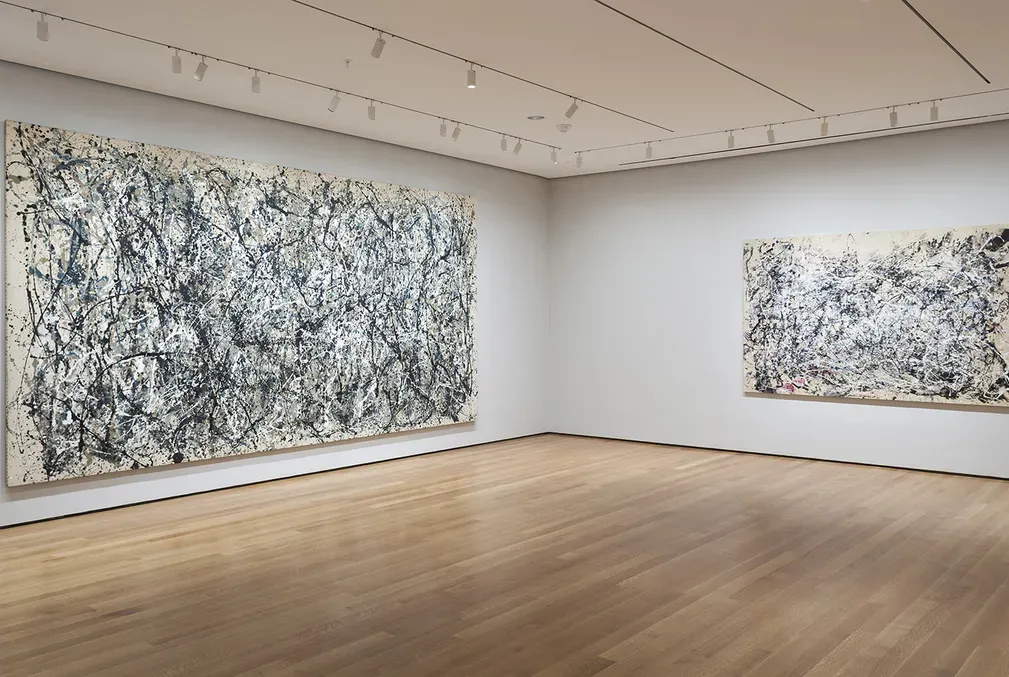
Unraveling the mystery of Jackson Pollock’s blue
September 19, 2025
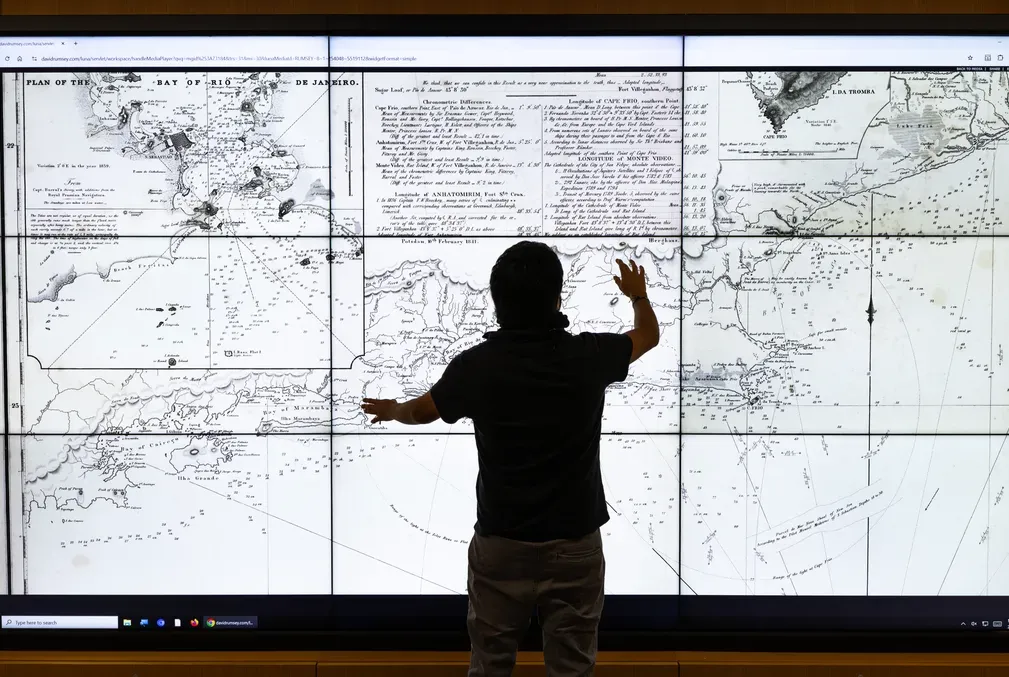
Philip Bucksbaum receives NSF/UKRI quantum chemistry award
September 15, 2025
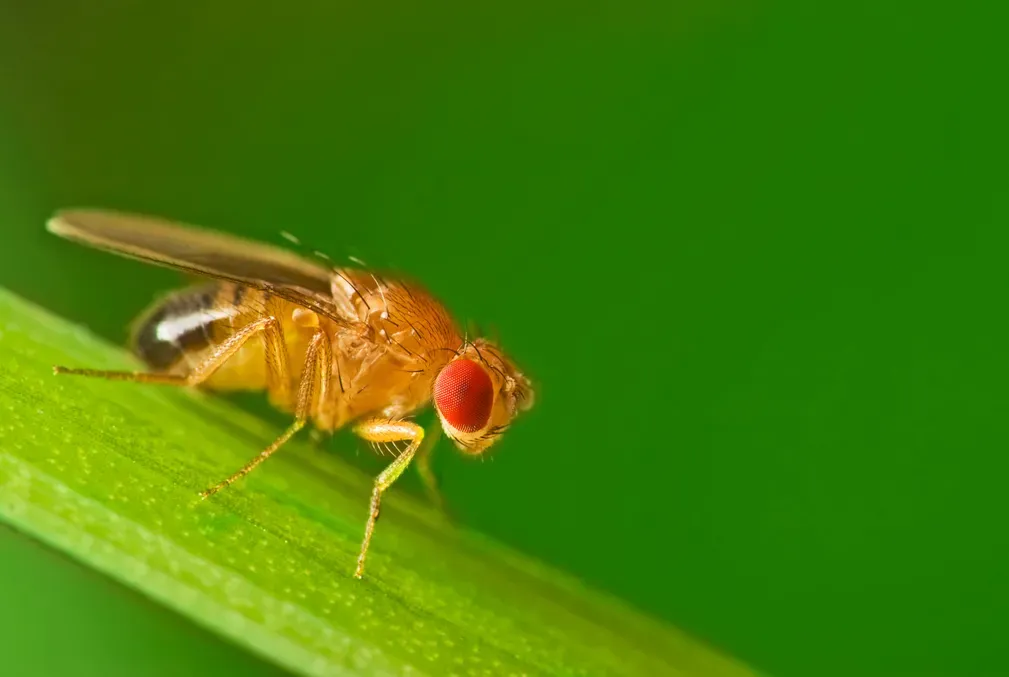
Classic recessive-or-dominant gene dynamics may not be so simple
September 11, 2025
Richard Schoen wins World Laureates Association Prize
September 8, 2025
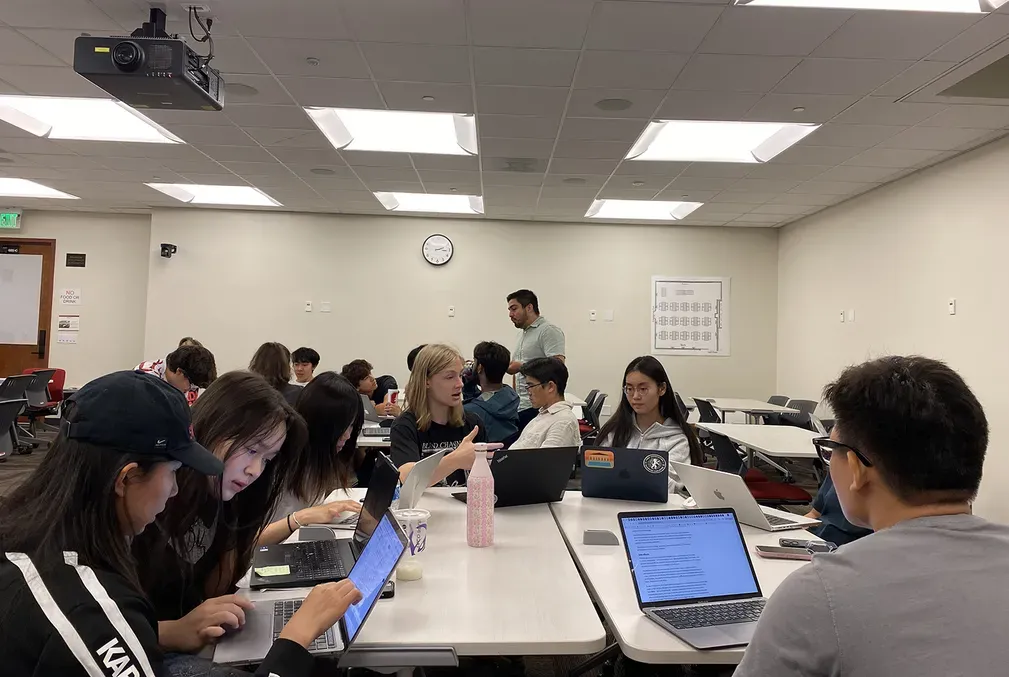
Biology students explore hot-button science topics in the news
September 4, 2025
Three reasons why universities are crucial for understanding AI
July 31, 2025
Study pinpoints key mechanism of brain aging
July 30, 2025
Energy supplied by gut microbiome depends on diet
June 16, 2025
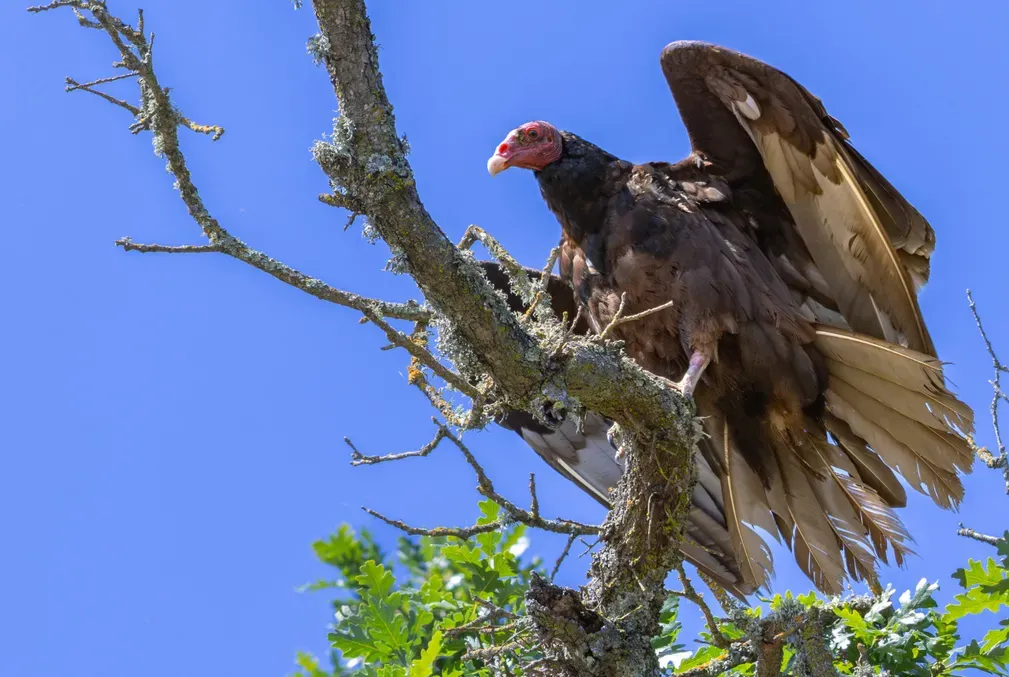
Decline in apex scavengers raises human disease risk
May 16, 2025
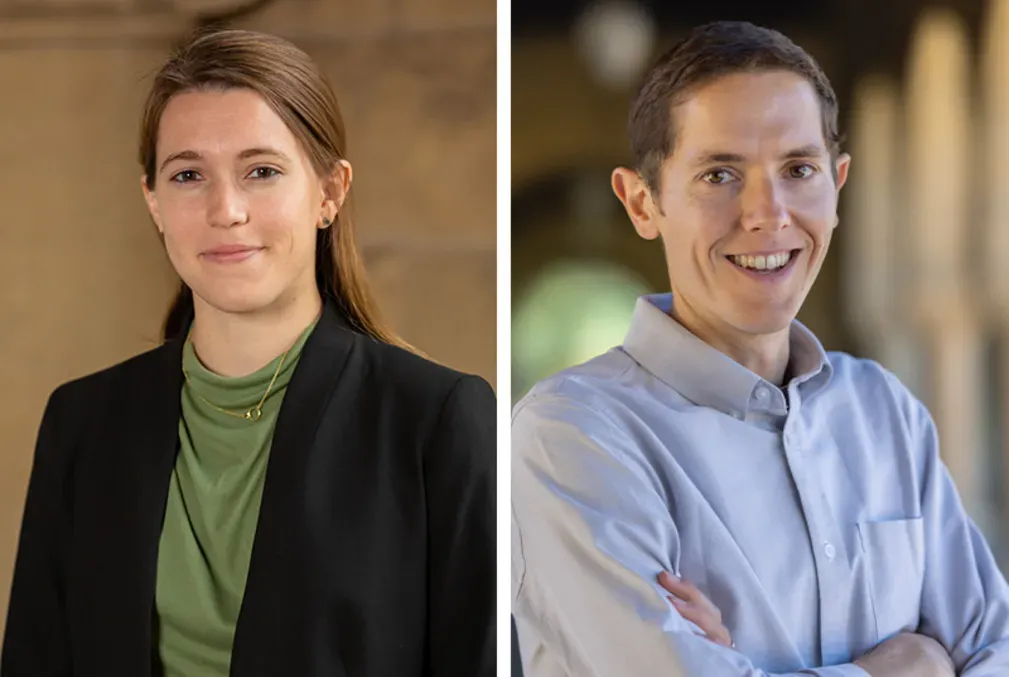
Susan Clark, Grant Rotskoff win NSF CAREER awards
April 30, 2025
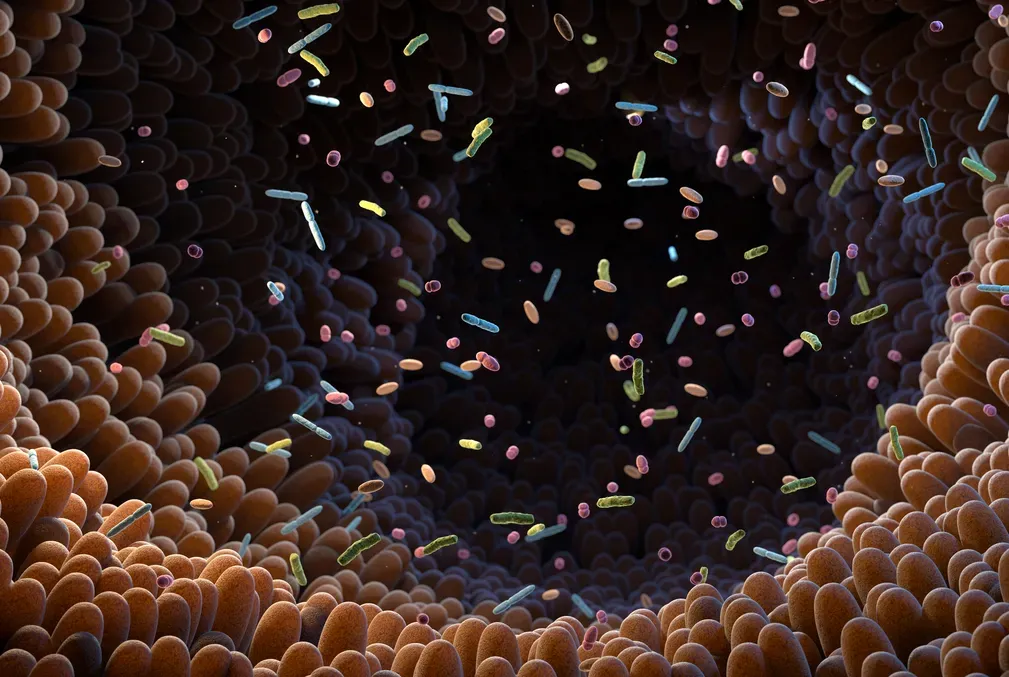
Gut physics provides insights on your insides
April 11, 2025
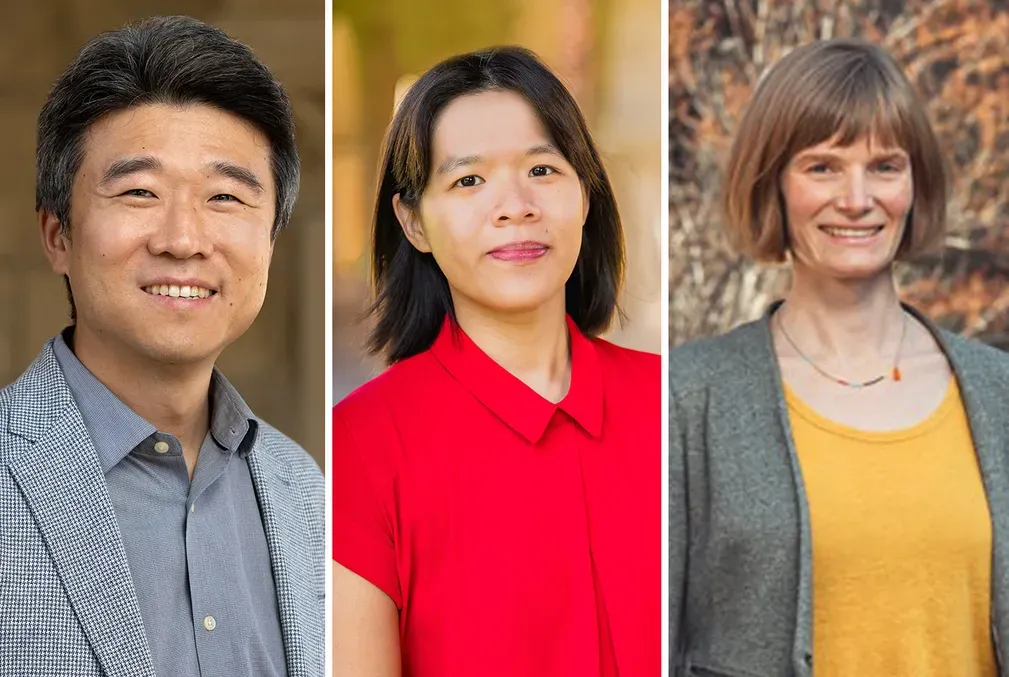
Stanford researchers honored with 2025 Breakthrough prizes
April 11, 2025
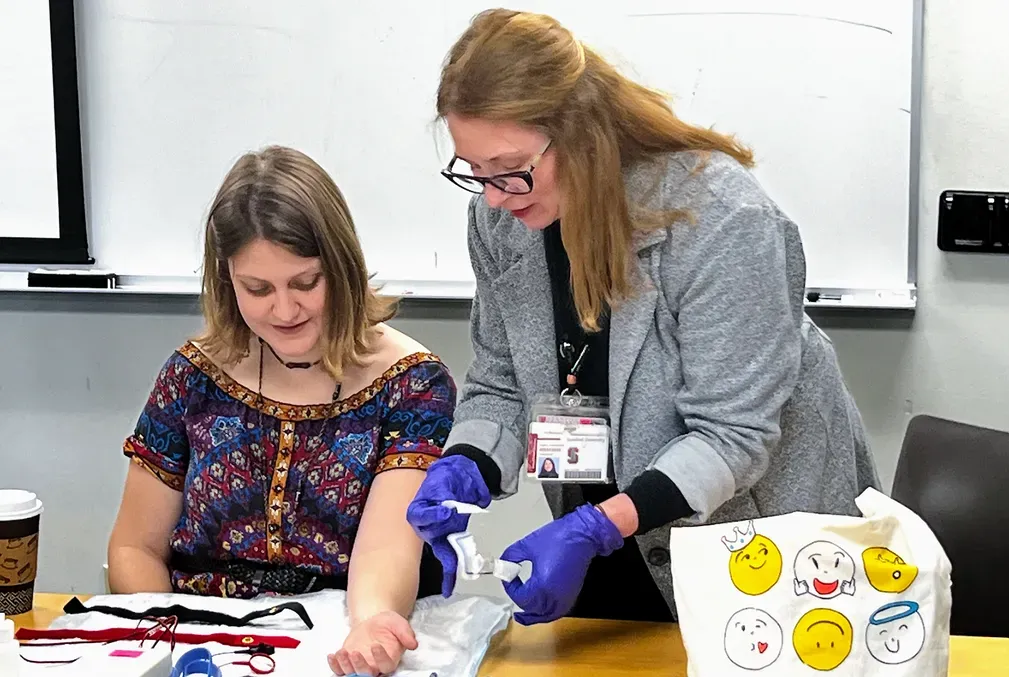
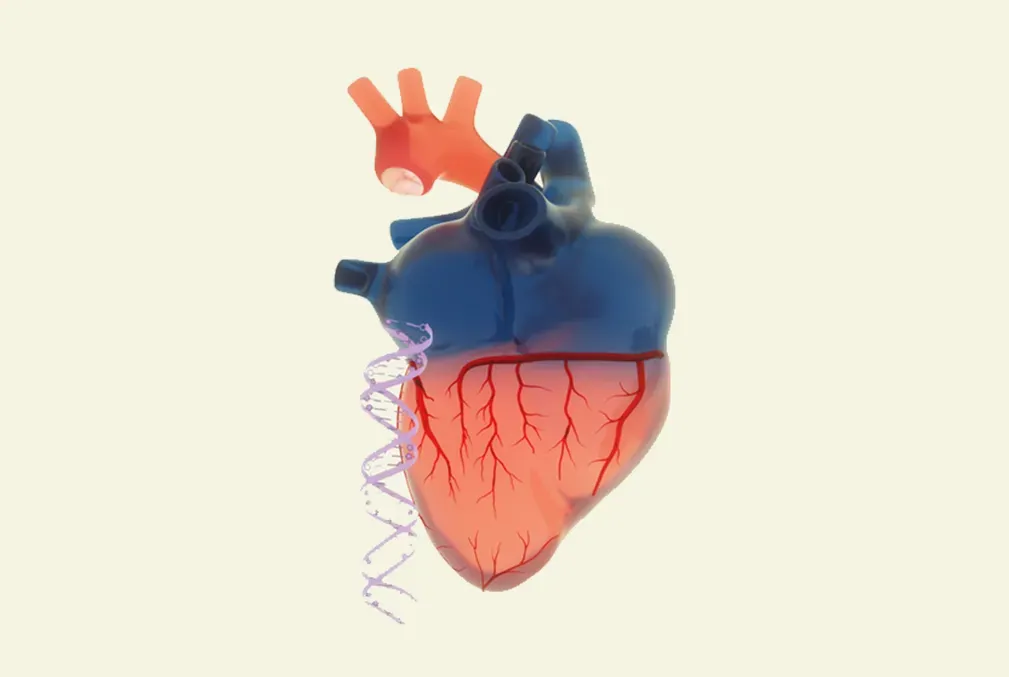
Course offers personal perspectives on cystic fibrosis
April 2, 2025
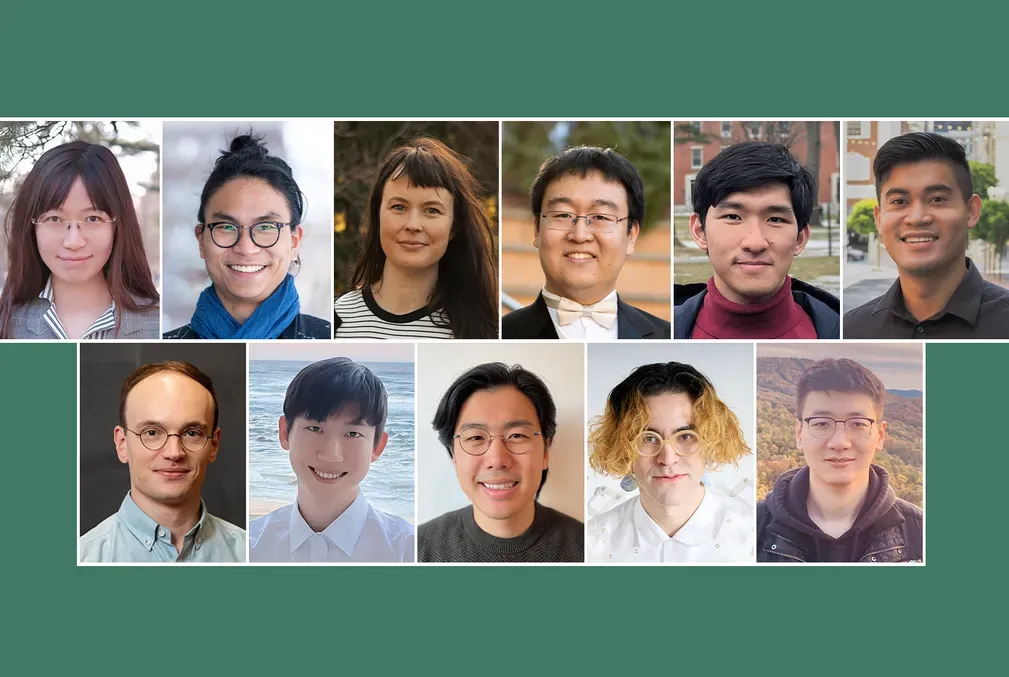
Stanford Science Fellows 2025 cohort is largest ever

March 5, 2025
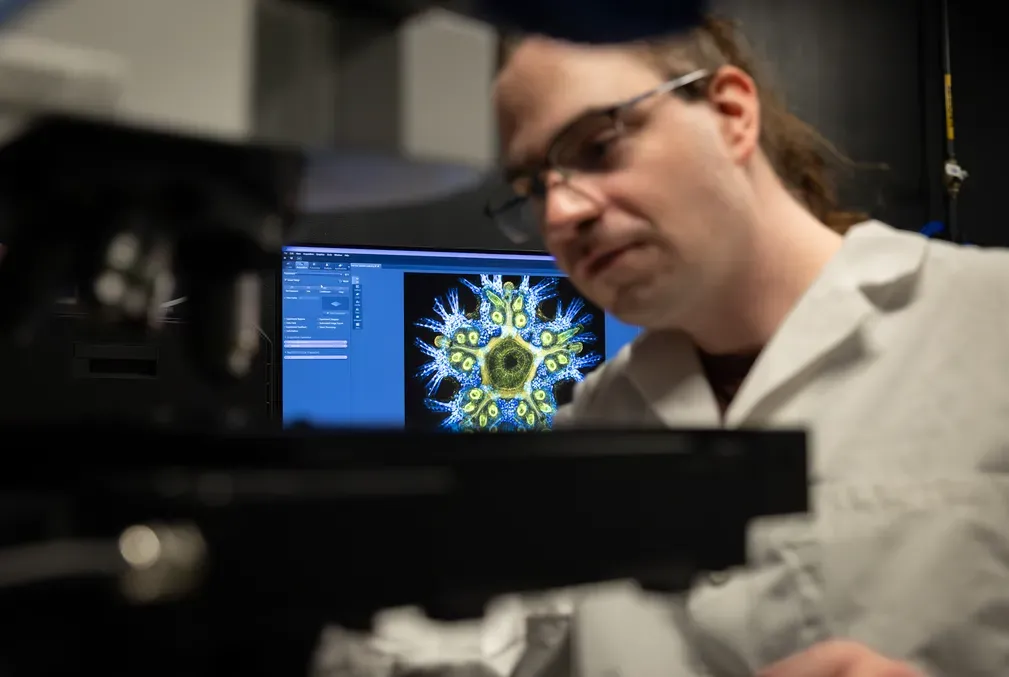
High-tech imaging center opens at Hopkins Marine Station
March 3, 2025
Trithep Devakul named 2025 Sloan Research Fellow
March 3, 2025
Barnabas Daru named 2025 Sloan Research Fellow
February 19, 2025
Kabir Peay elected to the American Academy of Microbiology
February 15, 2025
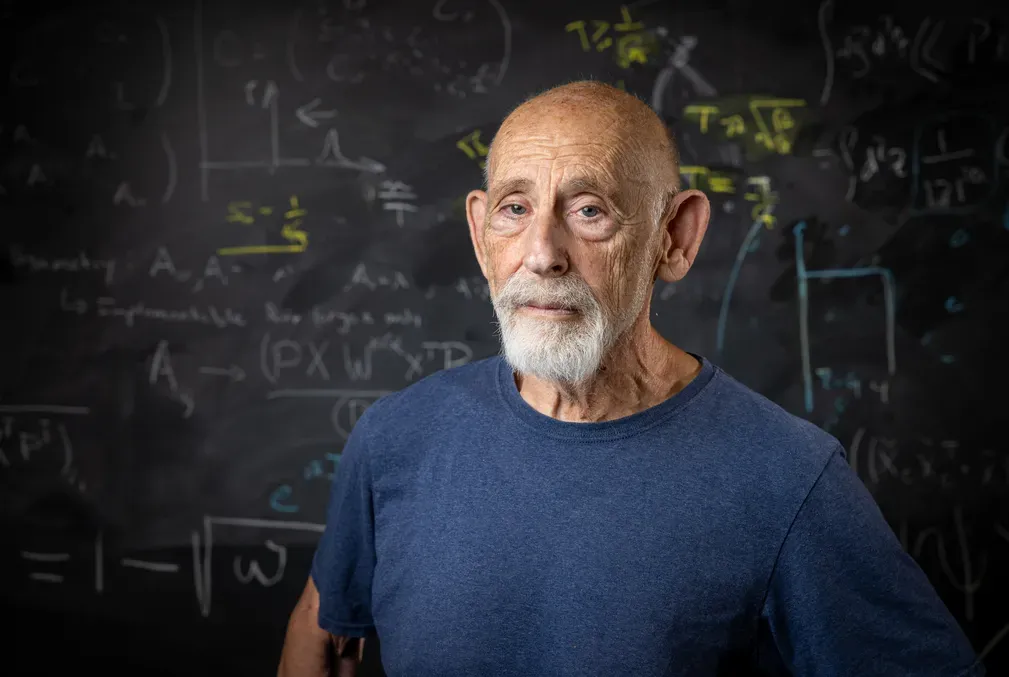
Leonard Susskind wins 2025 Galileo Medal
February 7, 2025
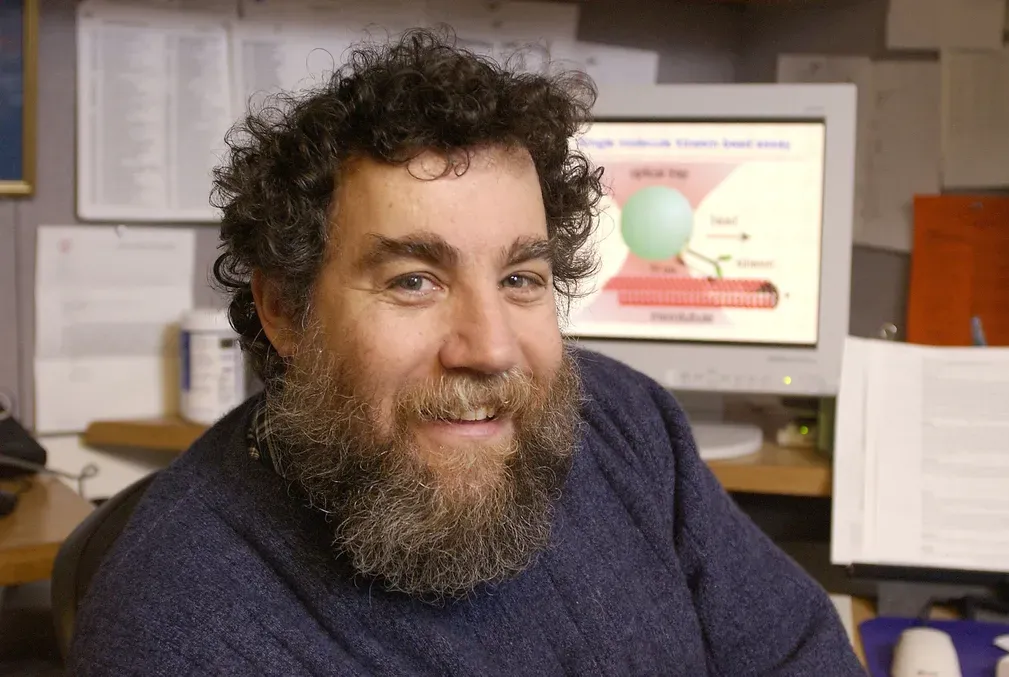
Steven Block wins 2025 Benjamin Franklin Medal
February 6, 2025
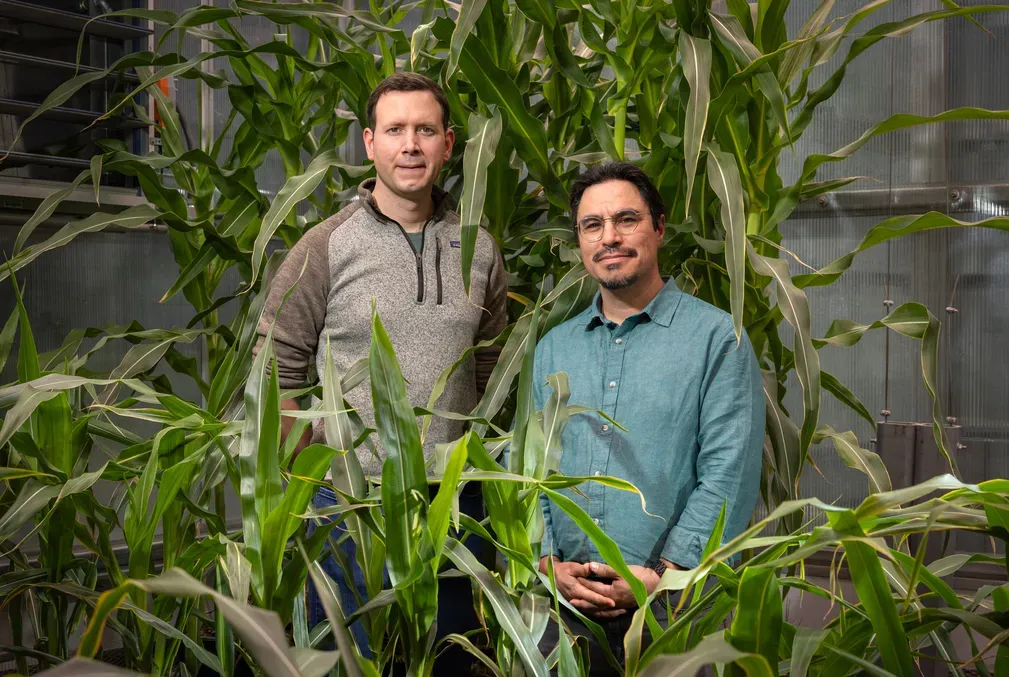
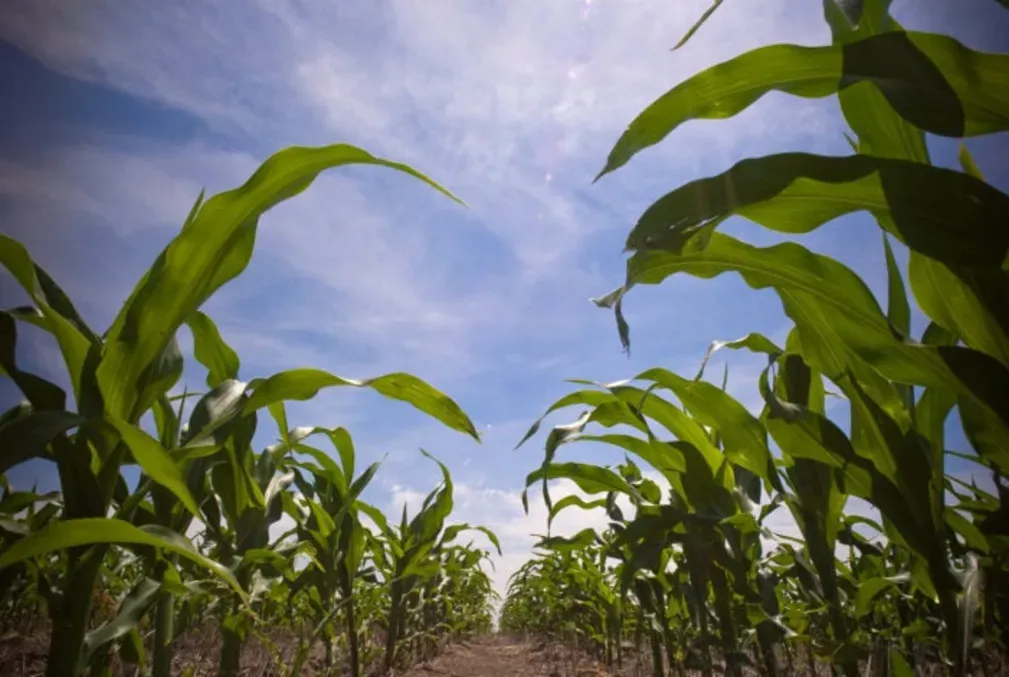
New study could lead to development of more drought-resistant corn
January 30, 2025
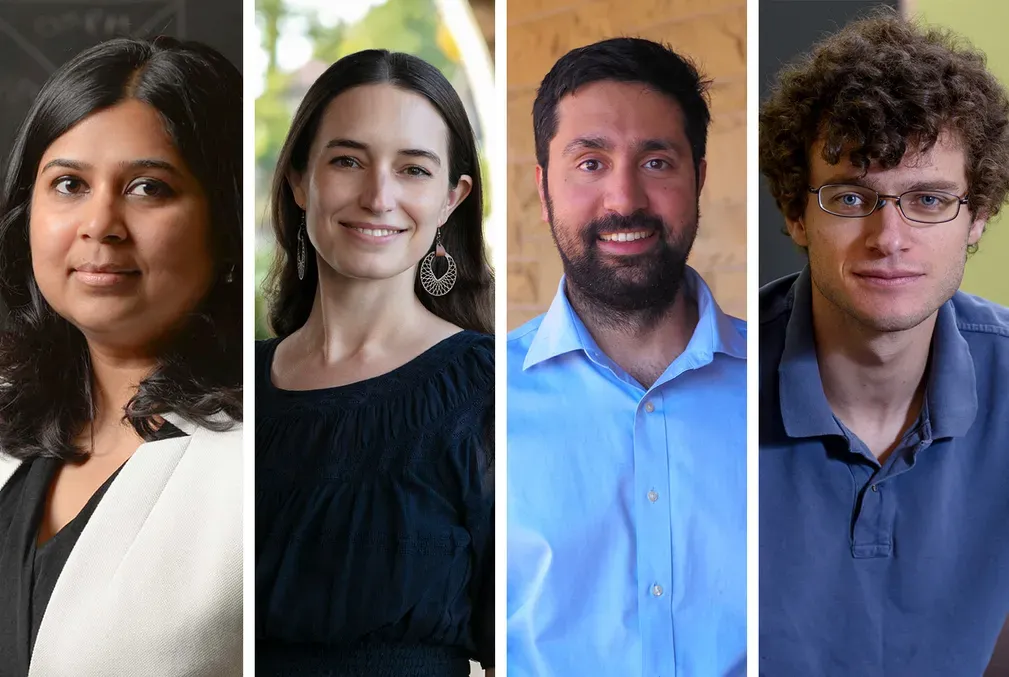
Four H&S scientists named 2025 PECASE winners
January 30, 2025
Peter Sturrock, influential applied physics professor, has died
January 27, 2025
Liqun Luo wins National Academy of Sciences neuroscience award
January 17, 2025
Susan Clark receives American Astronomical Society prize
December 18, 2024
Benjamin Good receives inaugural biological physics prize
November 20, 2024
Steven Chu receives inaugural lifetime achievement award
November 20, 2024
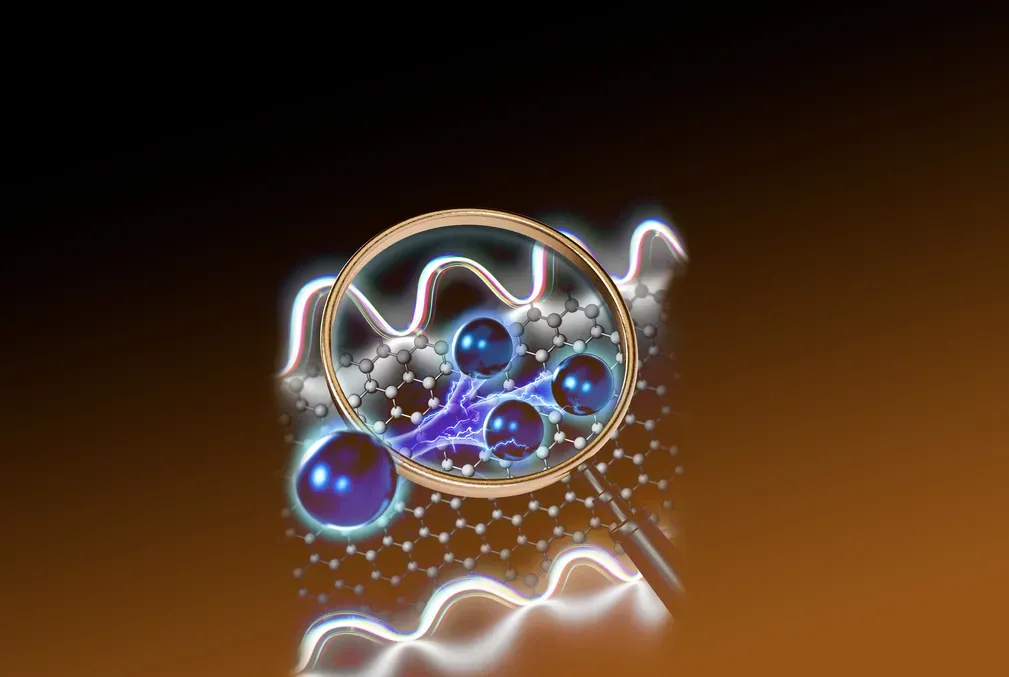
Exotic quantum state of matter visualized for the first time
November 17, 2024
Q&A: Marcus Feldman on evolving evolution
November 14, 2024
Vedika Khemani wins 2024 Infosys Prize in Physical Sciences
November 11, 2024
Russell Poldrack receives 2024 KFJ Award
October 21, 2024
Jeongwan Haah receives 2025 Quantum Computing Award
October 21, 2024
Steven Kivelson receives 2025 American Physical Society prize
October 17, 2024
Jorge Ramos named California Academy of Sciences fellow
October 2, 2024
H&S welcomes 19 new faculty members
September 19, 2024
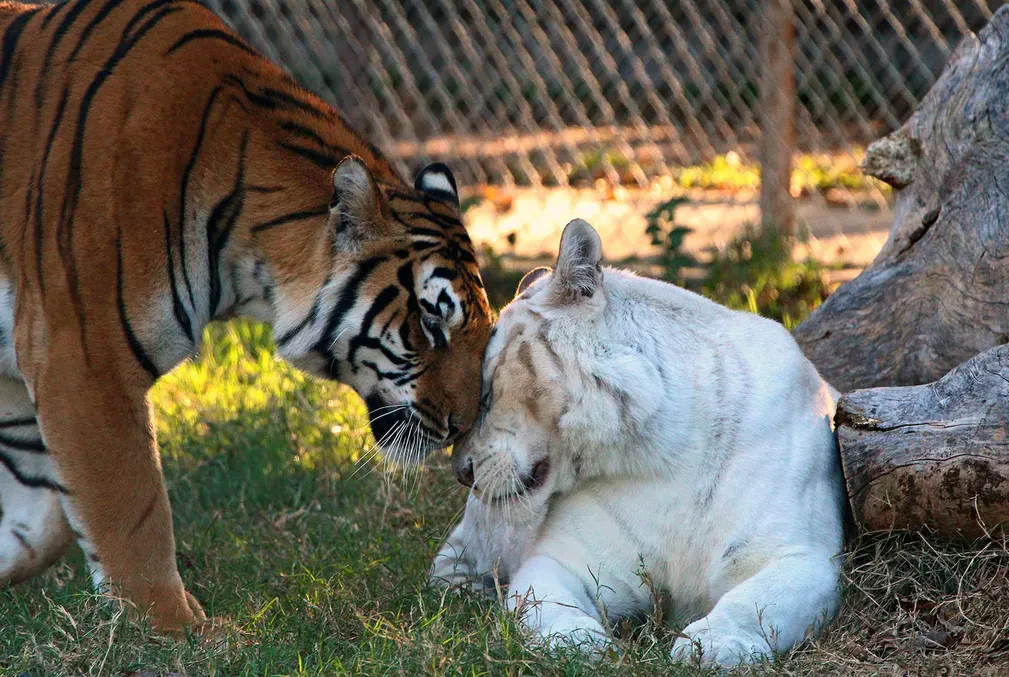
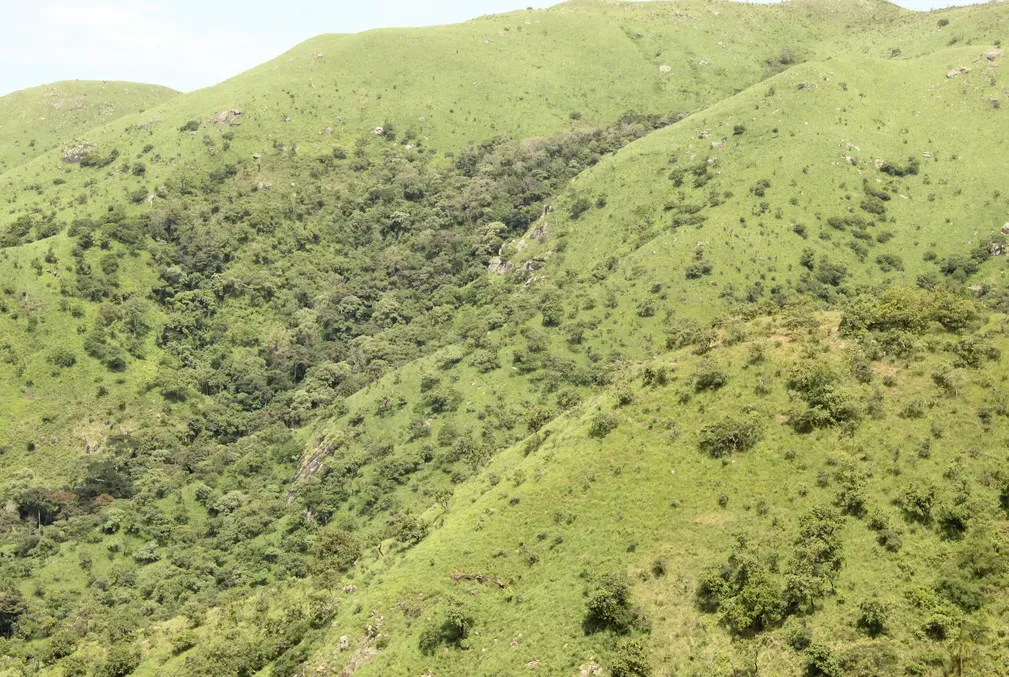
Can captive tigers be part of the effort to save wild populations?
September 4, 2024
Study uncovers unique patterns of native vascular plant diversity
August 14, 2024
Kristy Red-Horse on finding a place to shine
August 8, 2024
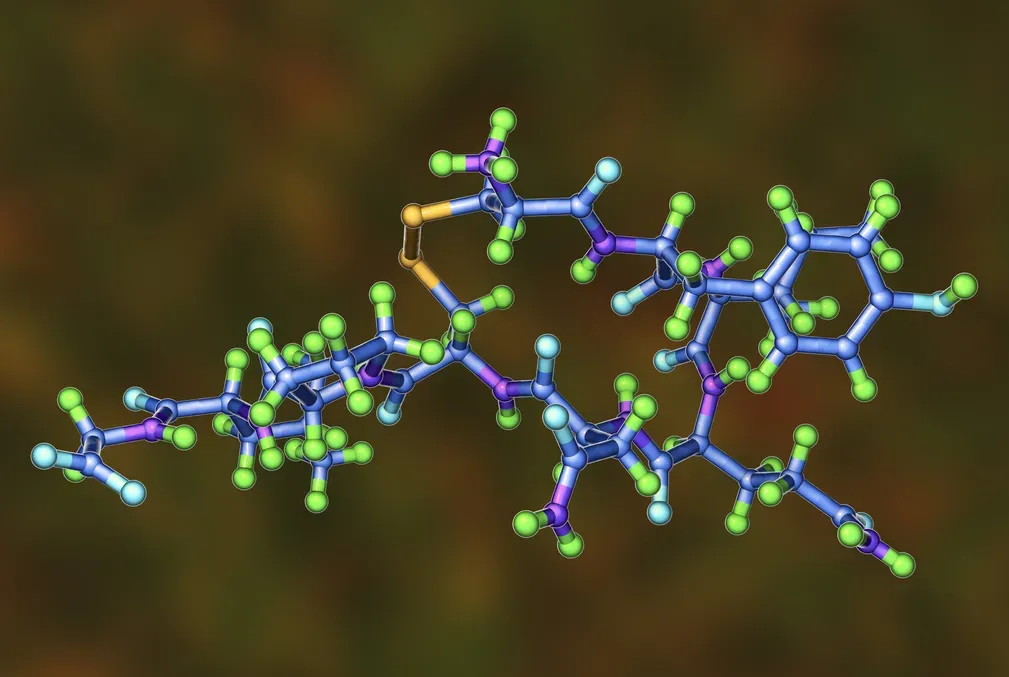
New mass spectrometry method could advance multiple fields
June 26, 2024
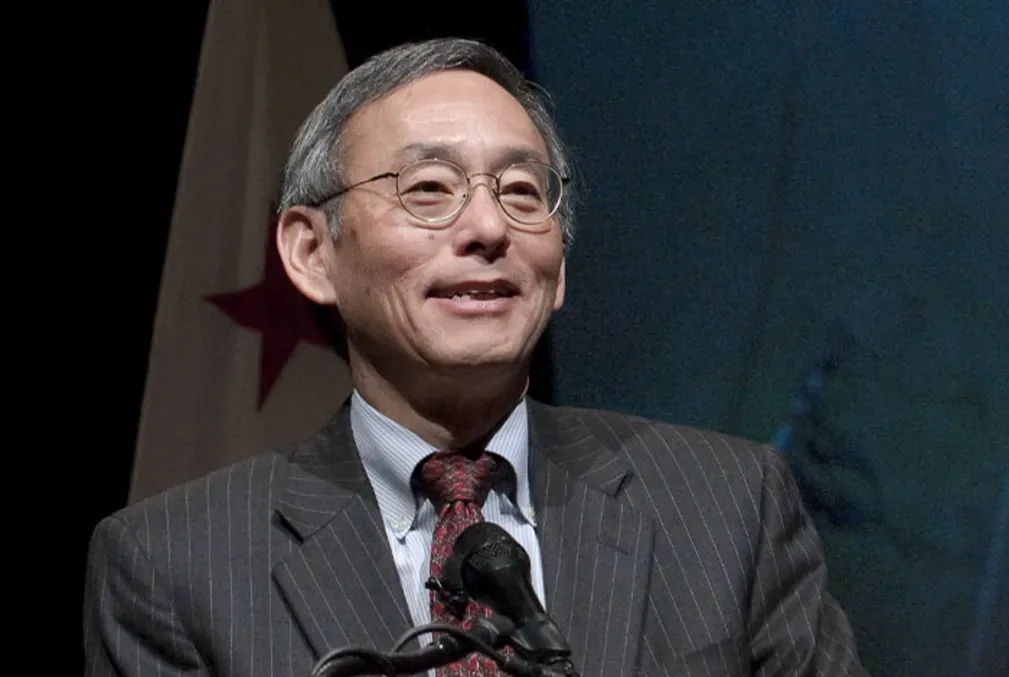
Steven Chu awarded 2024 AIP Karl Compton Medal
June 13, 2024
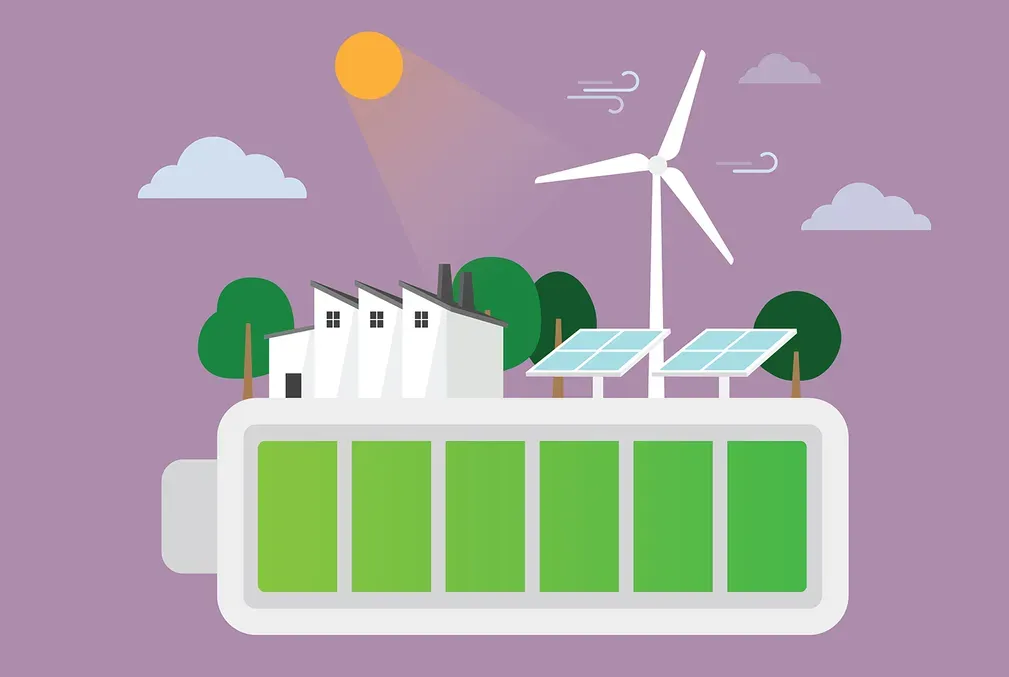
A ‘liquid battery’ advance
June 12, 2024
Paul Wender wins Royal Society of Chemistry prize
June 11, 2024
Andrei Linde awarded 2024 Isaac Pomeranchuk Prize
June 10, 2024
Renata Kallosh to receive 2024 Oskar Klein medal
May 31, 2024
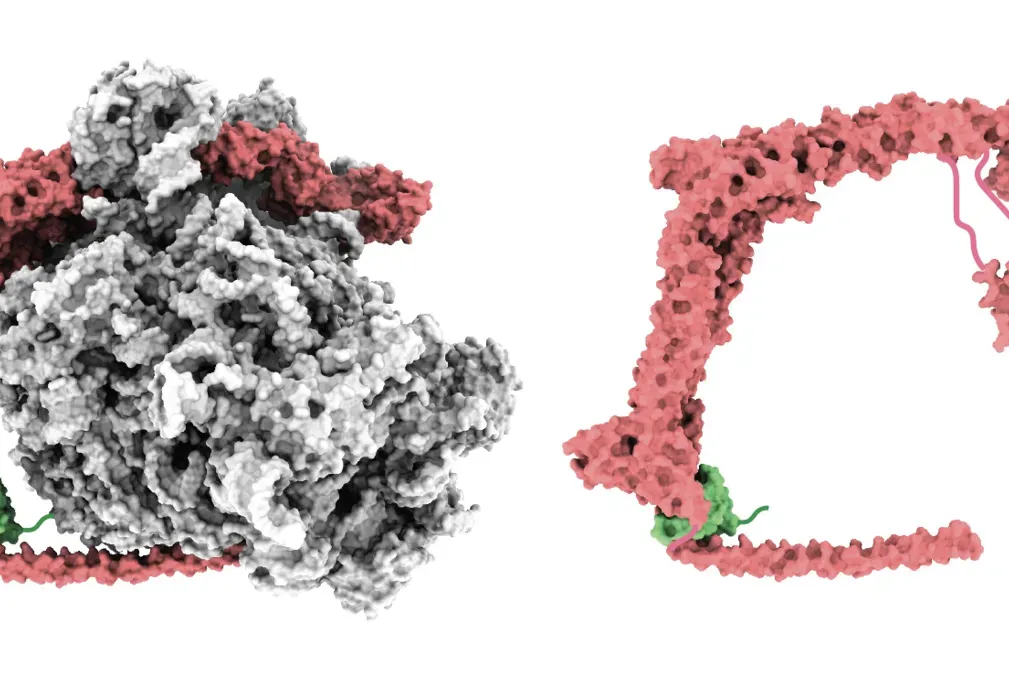
A new way to see viruses in action
April 18, 2024
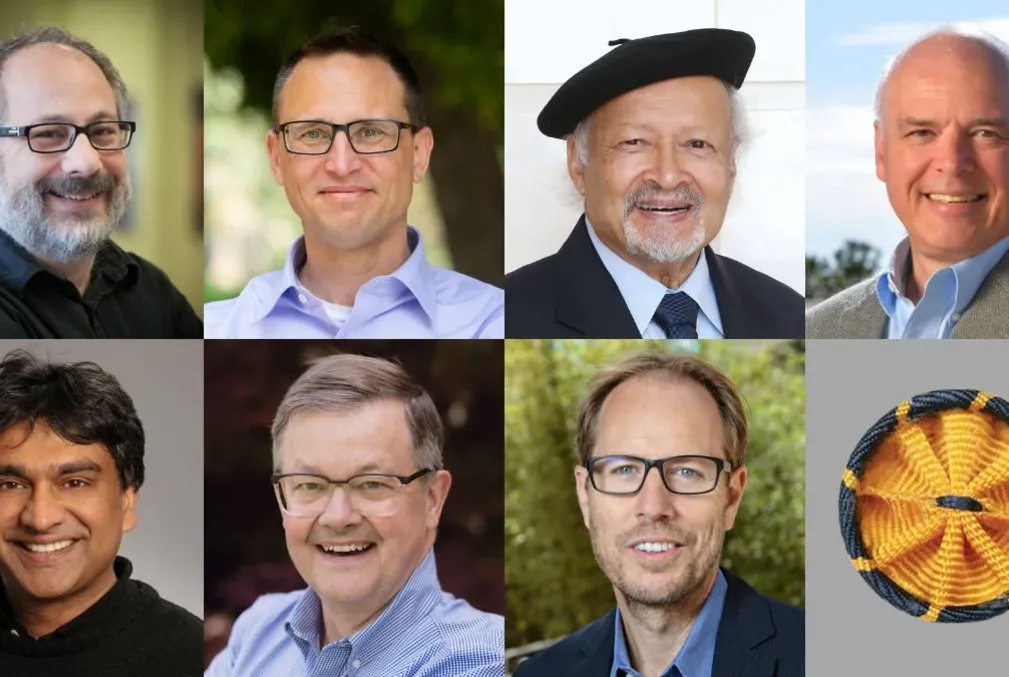
Stanford faculty named AAAS Fellows
March 12, 2024
How low humidity could be a boon for viruses
March 11, 2024
Steven Boxer receives 2024 Ellis R. Lippincott Award
February 22, 2024
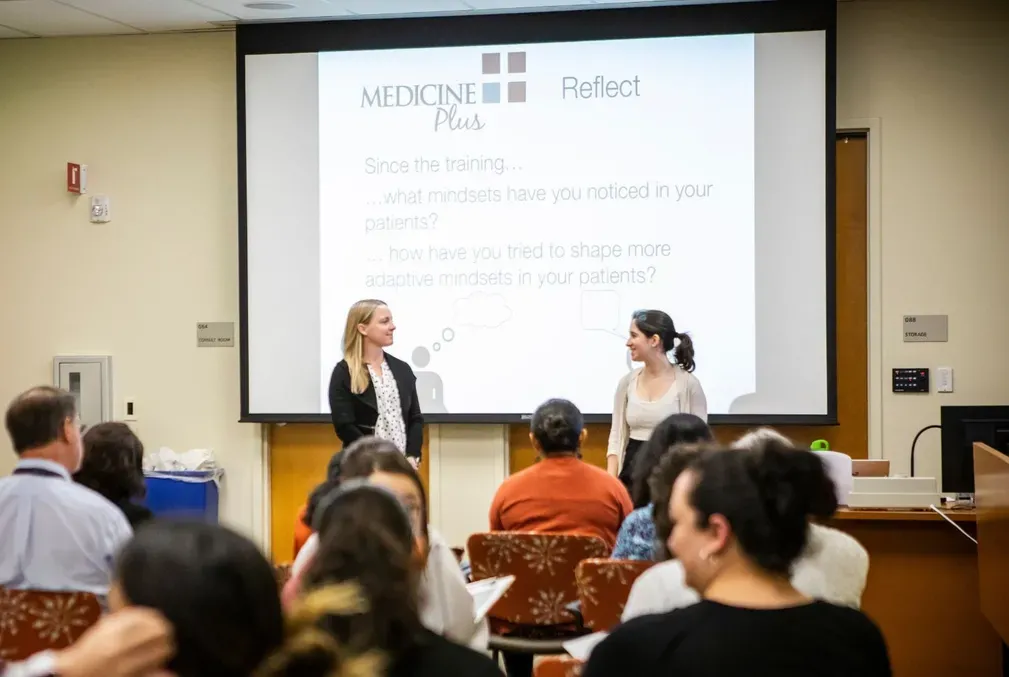
Patient mindset training helps care teams
February 22, 2024
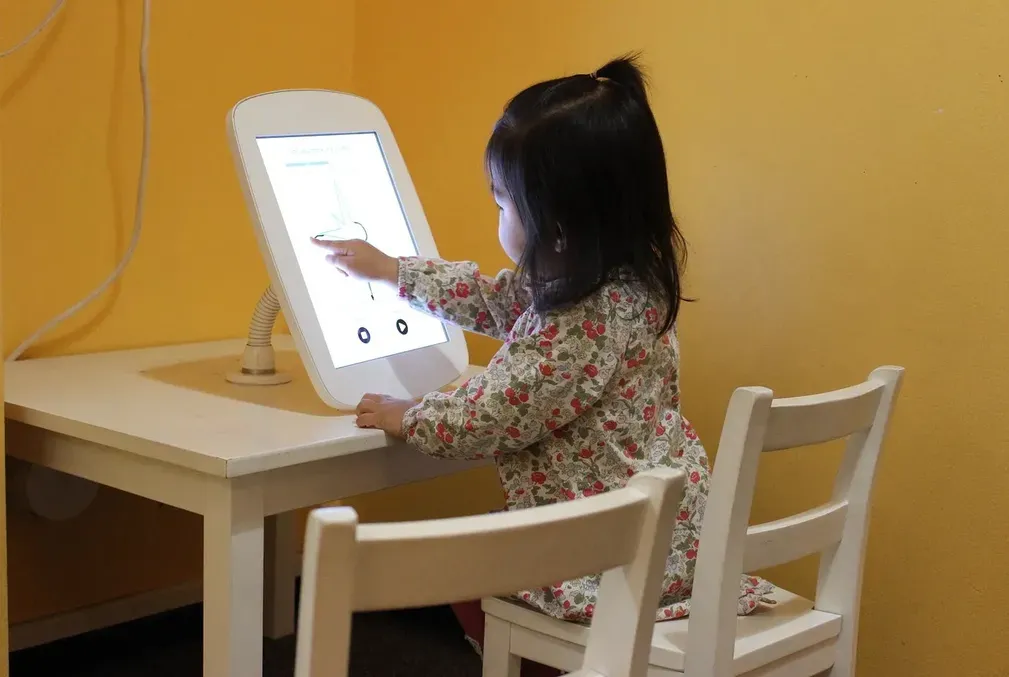
Learning from children’s drawings
February 21, 2024
Rodolfo Dirzo receives 2024 Frontiers of Knowledge Award
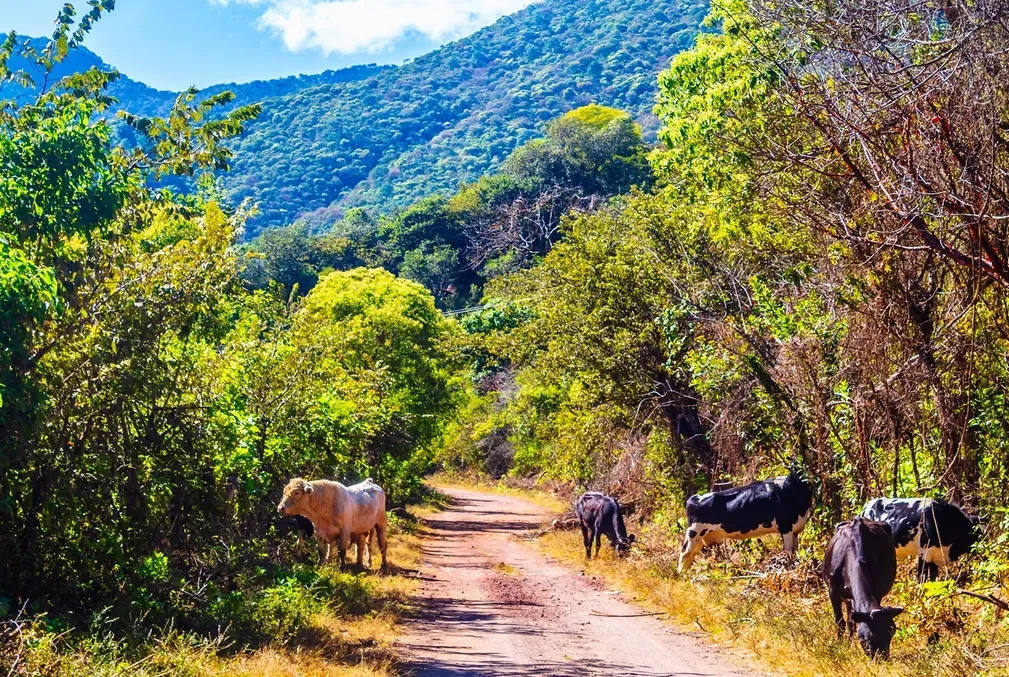
February 15, 2024
Biodiversity crisis in protected forests
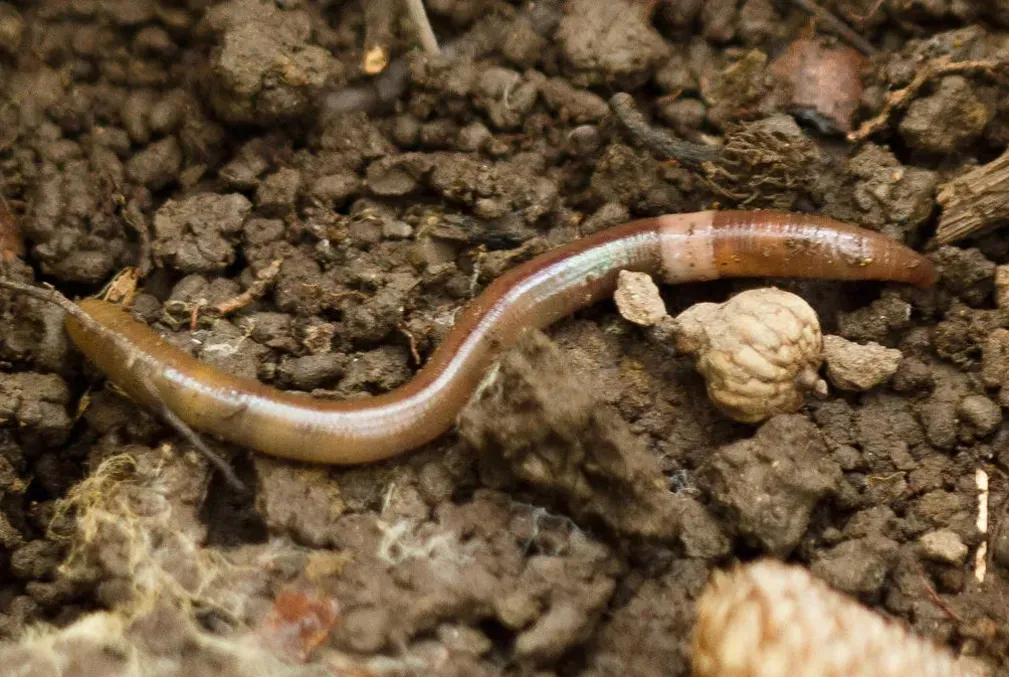
February 8, 2024
Earthworm invasion
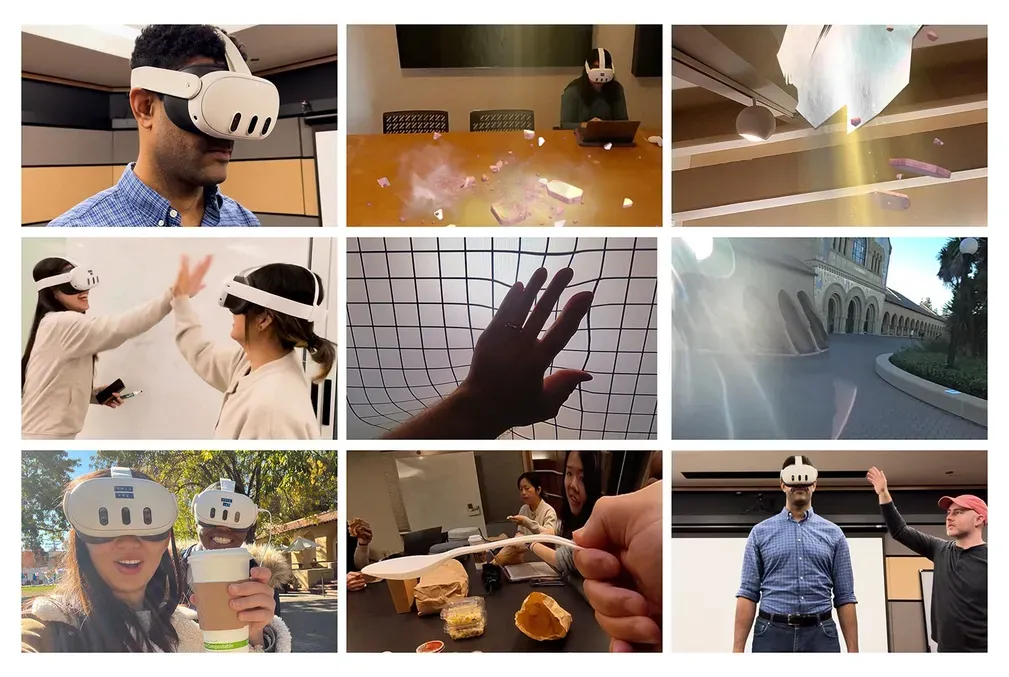
February 1, 2024
Researchers take new ‘mixed reality’ headsets for a spin

December 13, 2023
2023: A year of books written by H&S faculty
November 17, 2023
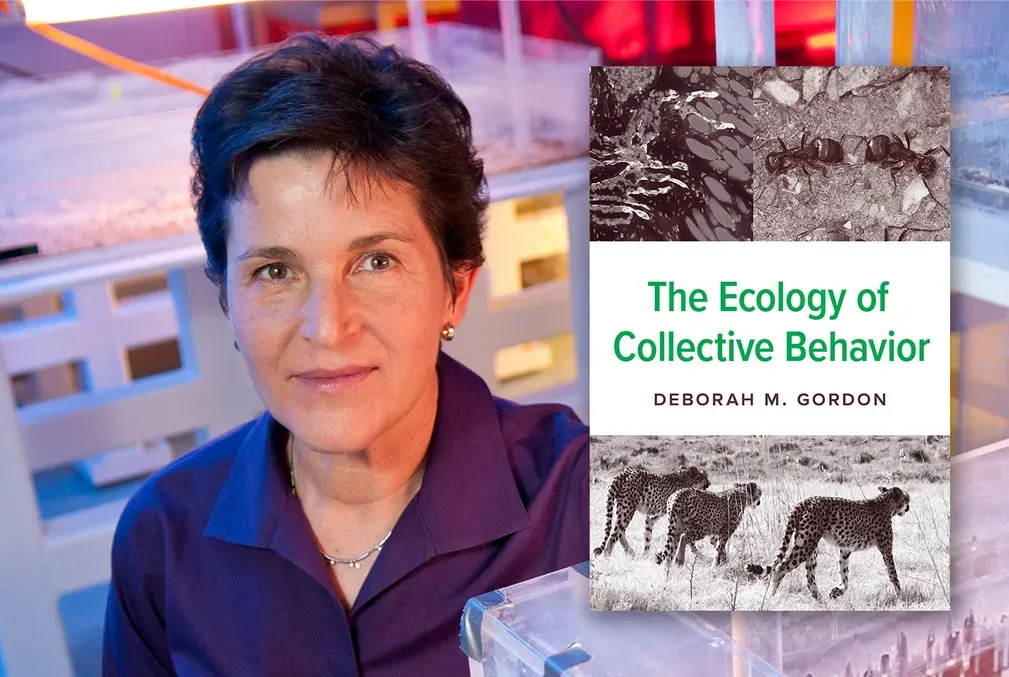
The Ecology of Collective Behavior by Deborah M. Gordon, Biology
November 15, 2023
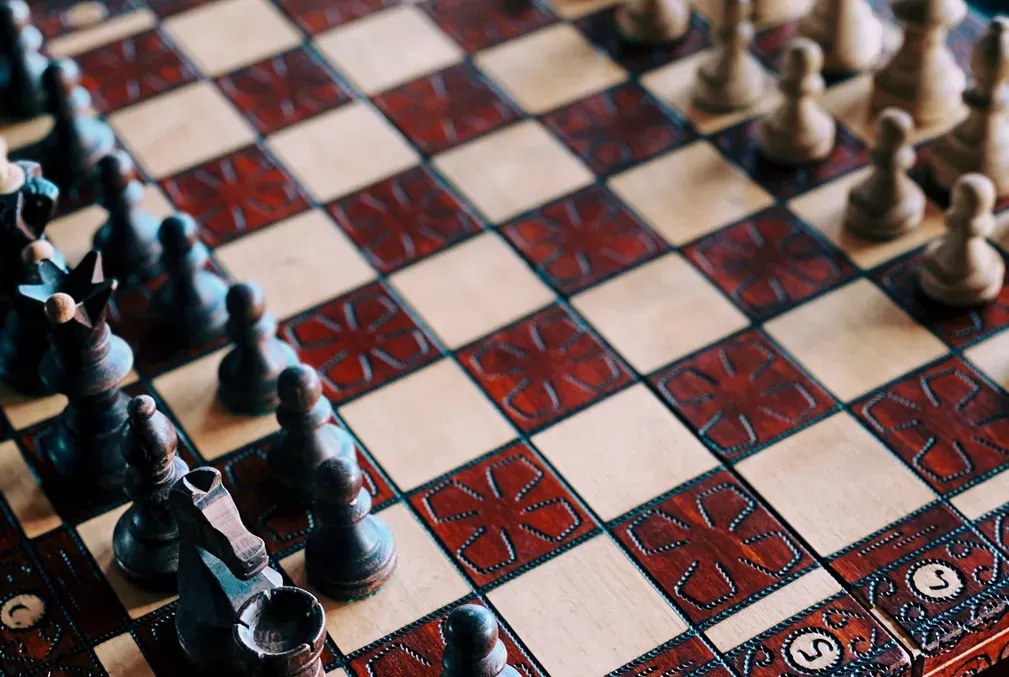
Study reveals how cultural factors influence chess move choice
November 8, 2023
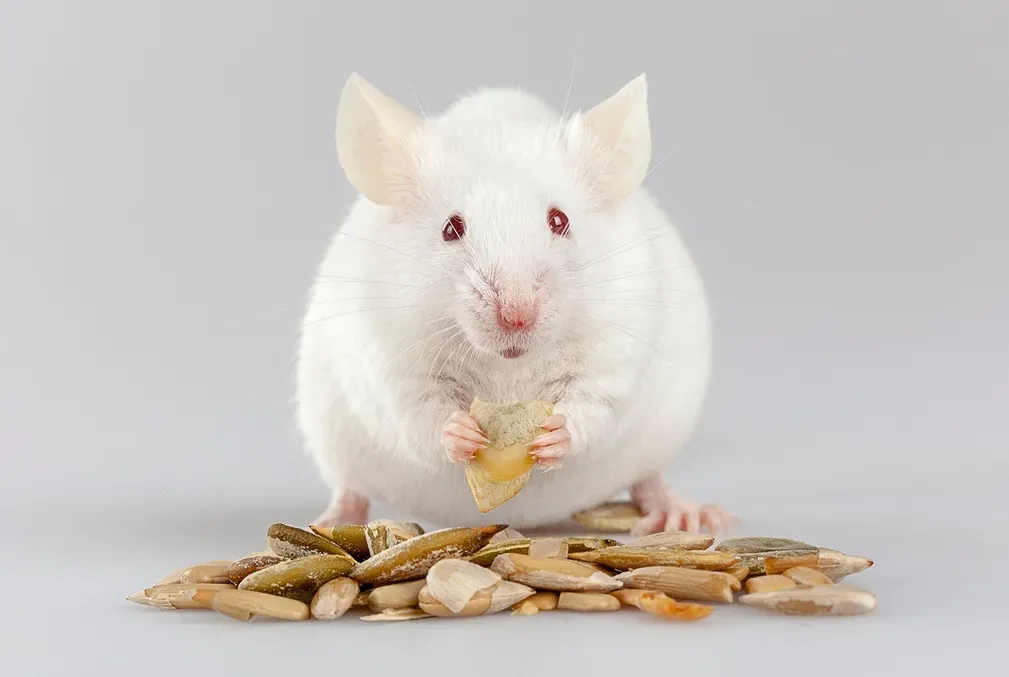
How mice choose to eat or to drink
November 8, 2023
H&S welcomes 21 new faculty members
November 2, 2023
Stanford introduces medical humanities minor
November 1, 2023
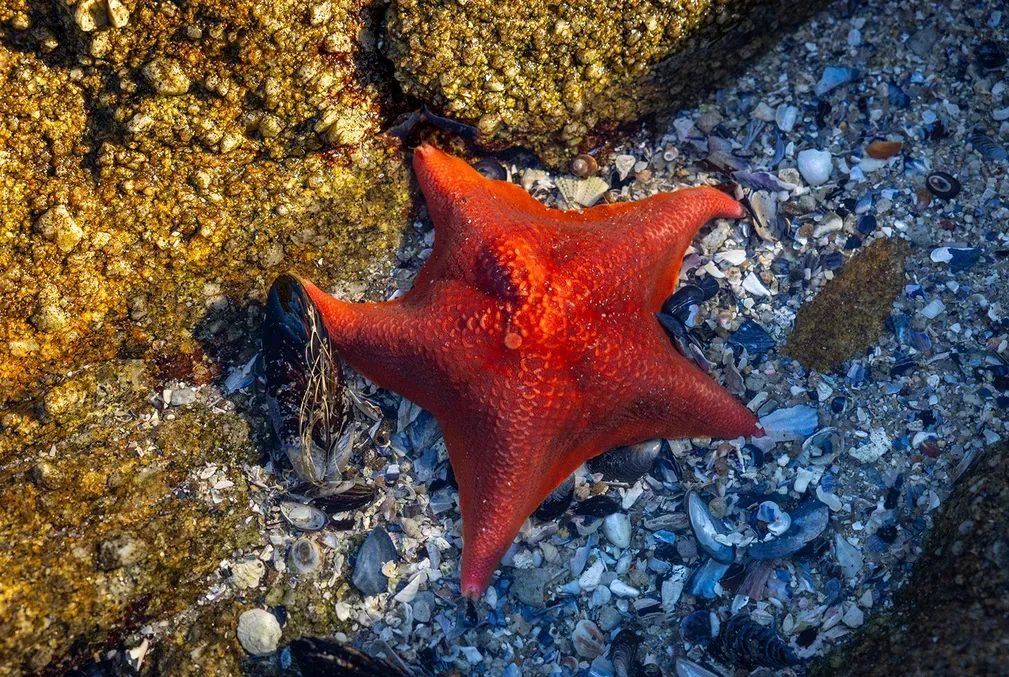
Study reveals location of starfish’s head
October 26, 2023
Surya Ganguli named to 2023 Schmidt Science Polymaths Program cohort
October 25, 2023
Physicist Harold Hwang wins McGroddy Prize for New Materials
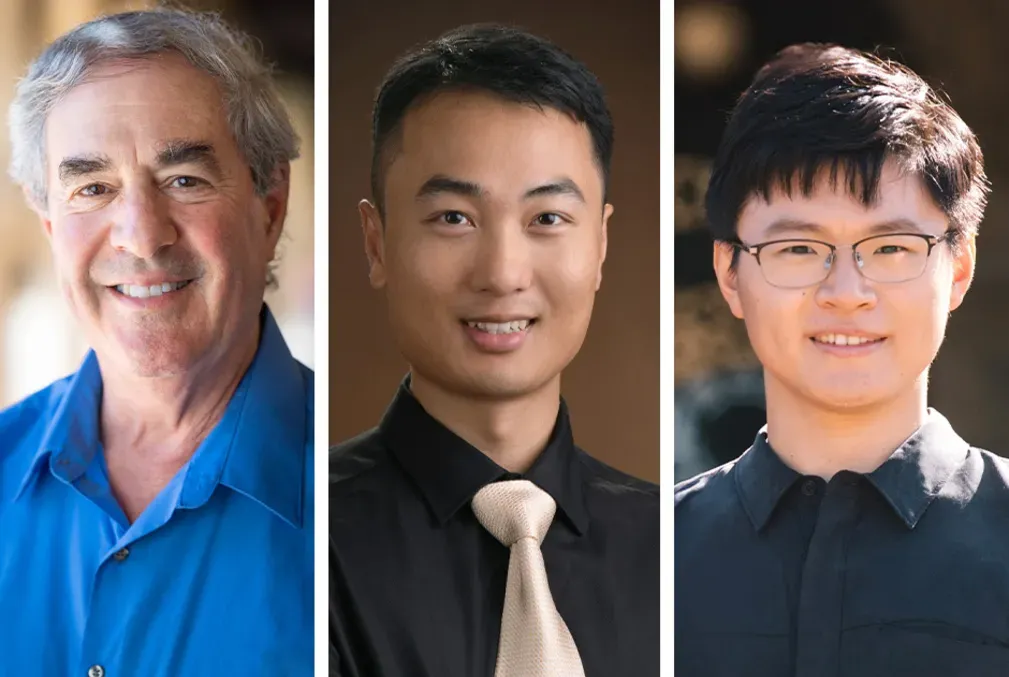
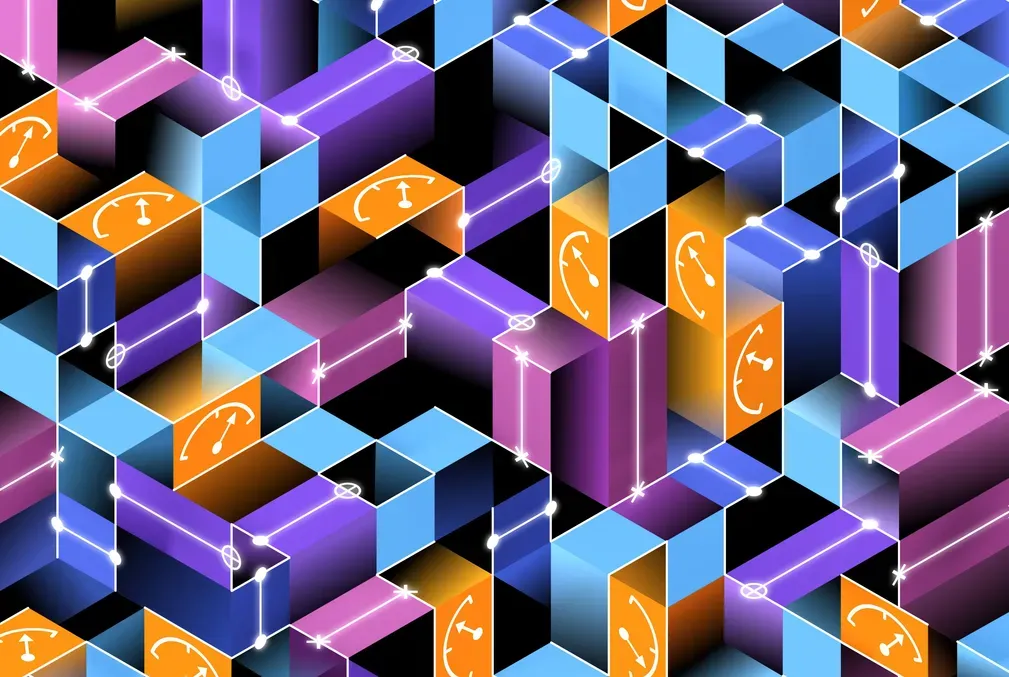
October 20, 2023
Quantum measurements induce new phases of entanglement
October 11, 2023
Kristy Red-Horse elected to the National Academy of Medicine
October 4, 2023
Steven Banik named 2023 Moore Inventor Fellow
September 27, 2023
Biologist Tadashi Fukami named new faculty director of Jasper Ridge
September 18, 2023
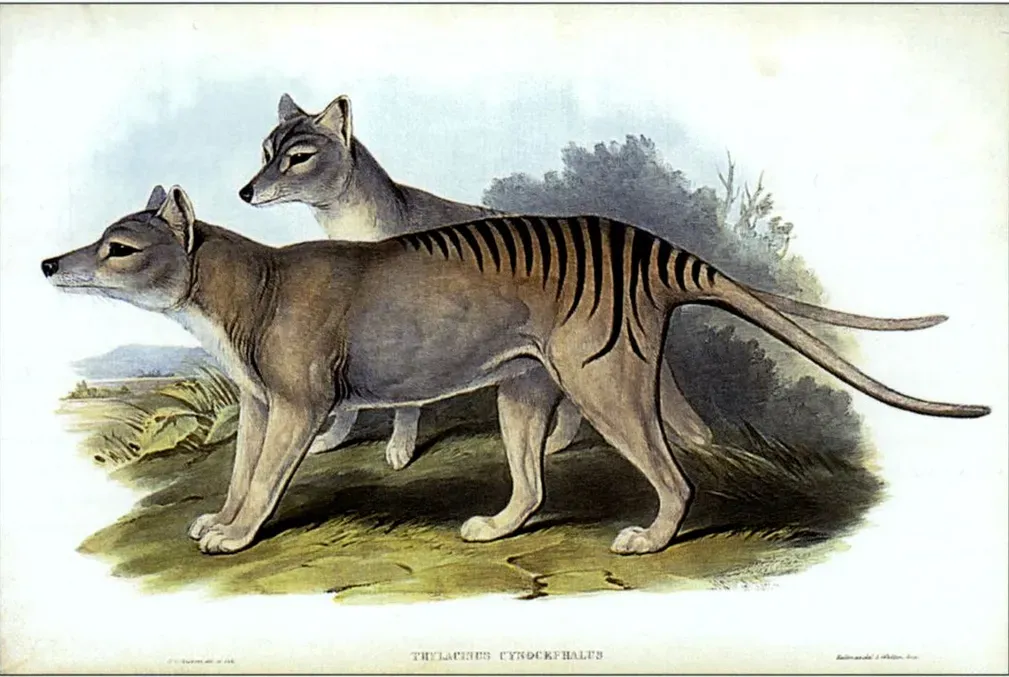
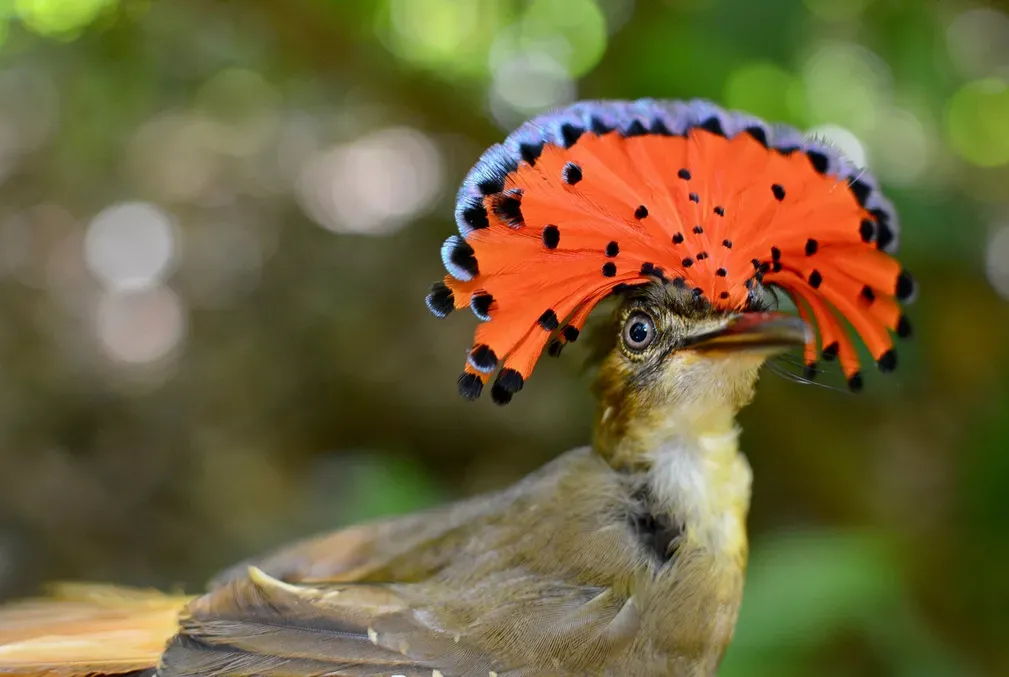
Human-driven mass extinction is eliminating entire genera
September 4, 2023
Farming for food and biodiversity
August 28, 2023
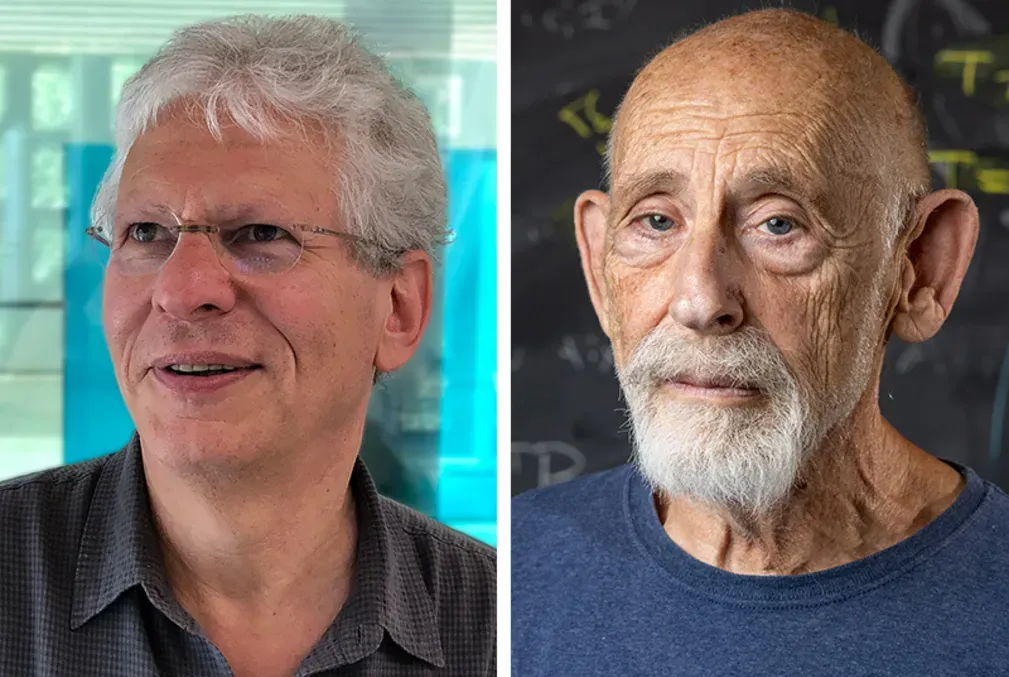
Stephen Shenker and Leonard Susskind awarded 2023 Dirac Medal
August 21, 2023
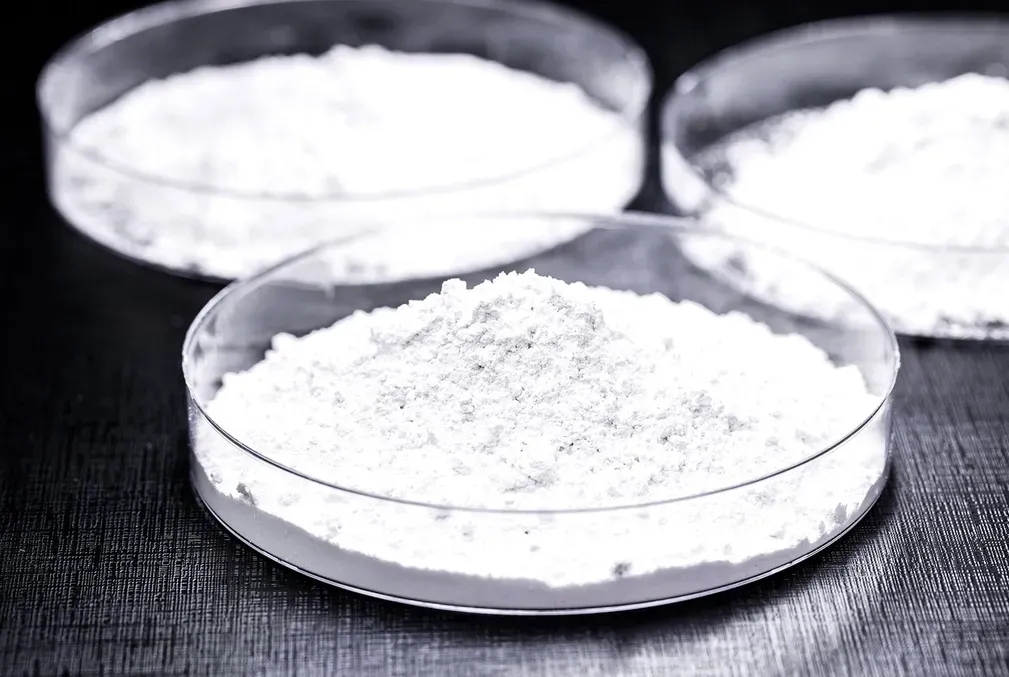
Study finds silica particles chemically react
August 10, 2023
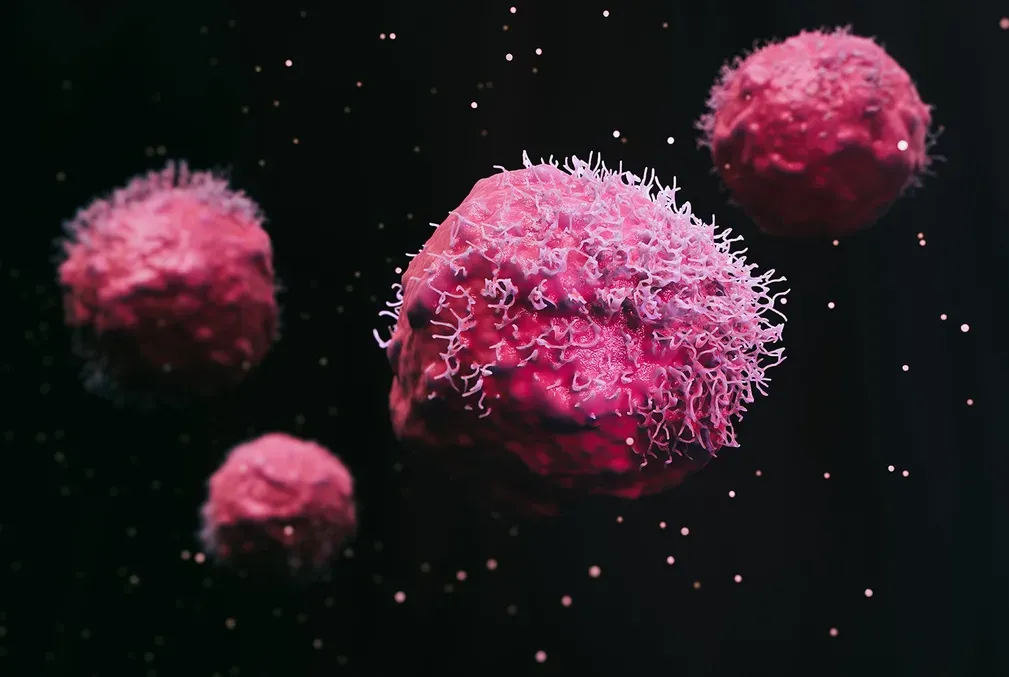
Bioengineered tool unmasks cancer cells
June 5, 2023
Professor Stanley Wojcicki has died at age 86
April 25, 2023
Gretchen Daily receives 2023 Eminent Ecologist Award
April 24, 2023
For eco-friendly ammonia, just add water
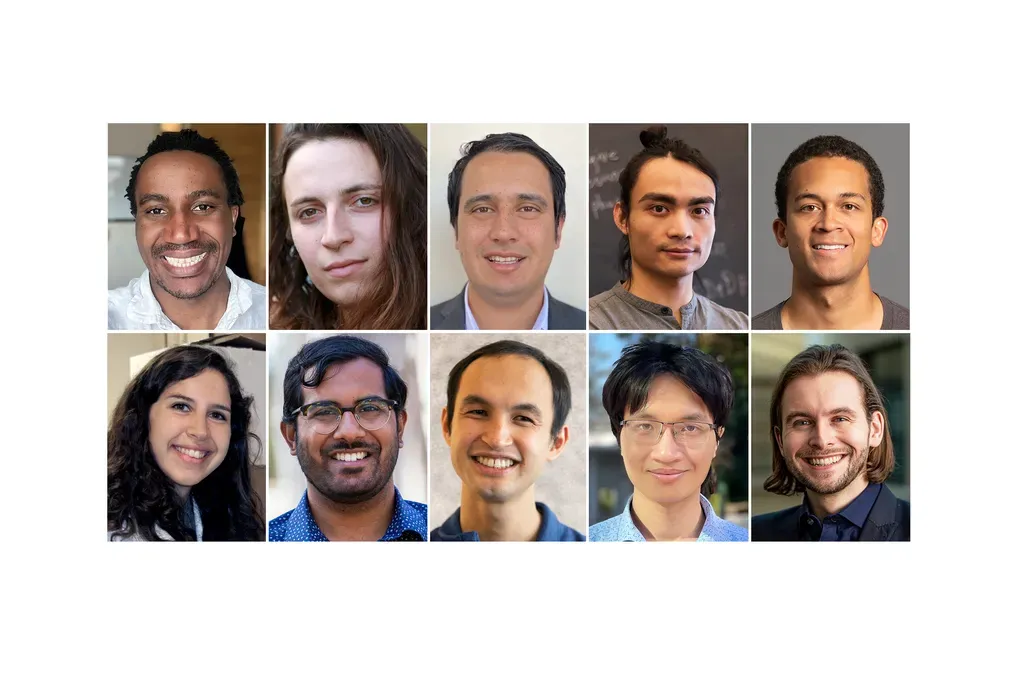
April 14, 2023
2023 cohort of Stanford Science Fellows named
February 26, 2023
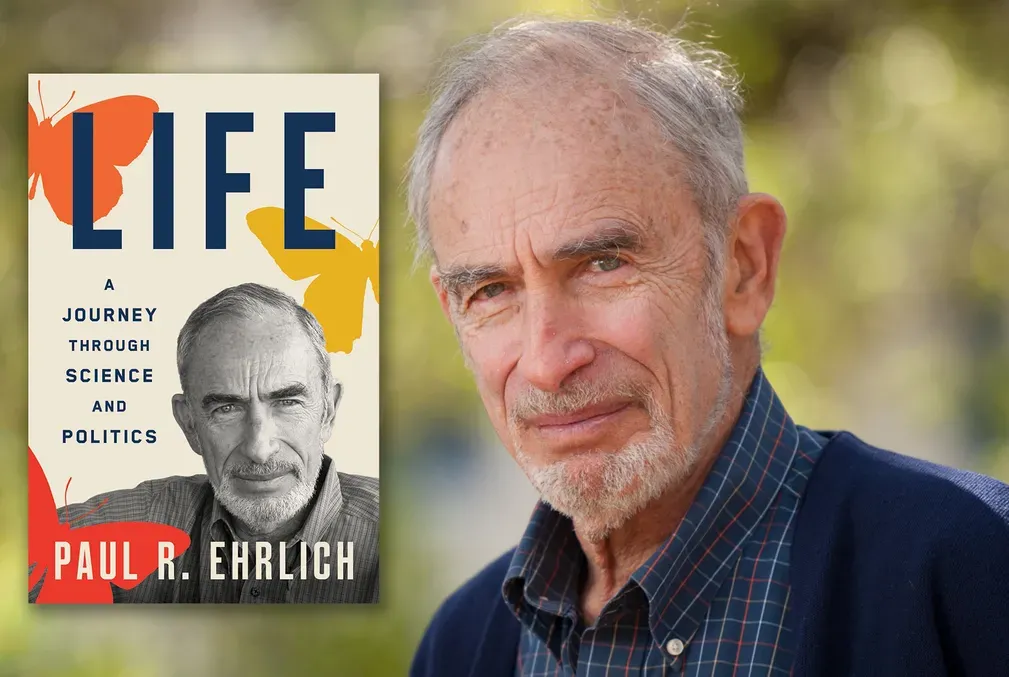
Life: A Journey Through Science and Politics by Paul R. Ehrlich, Biology
February 24, 2023
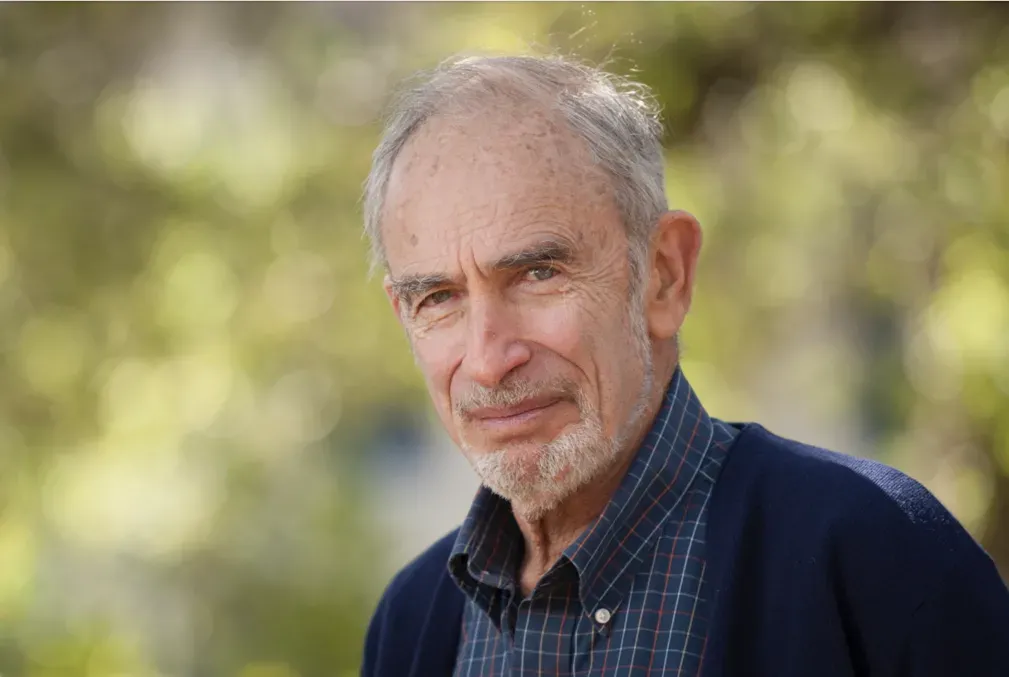
Q&A: Paul R. Ehrlich on his life’s work
February 16, 2023
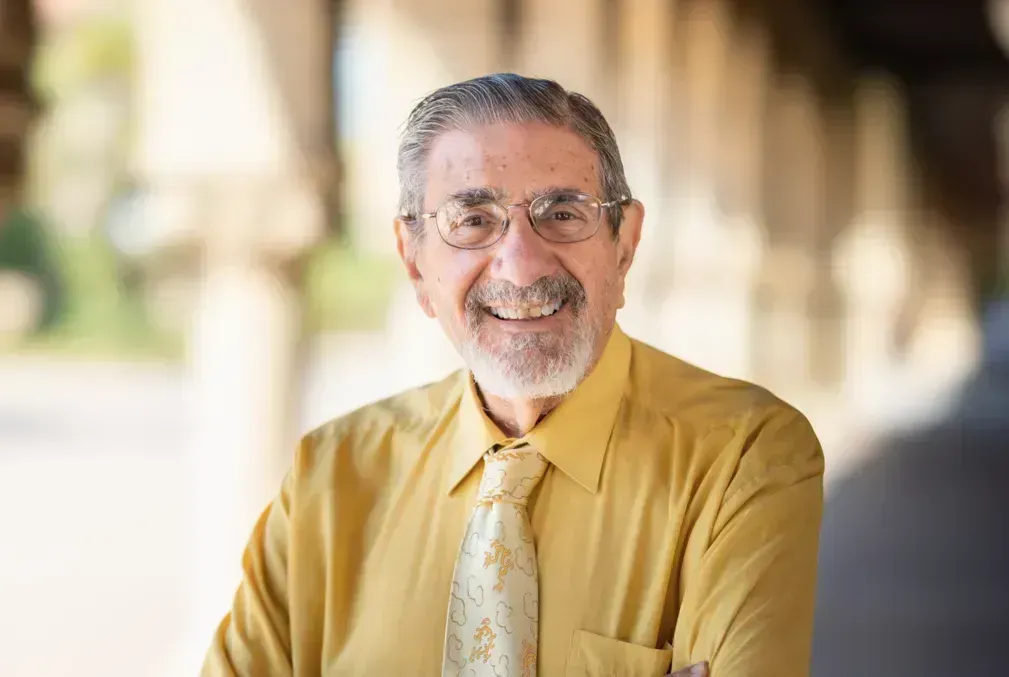
Richard Zare awarded a 2023 Benjamin Franklin Medal
February 16, 2023
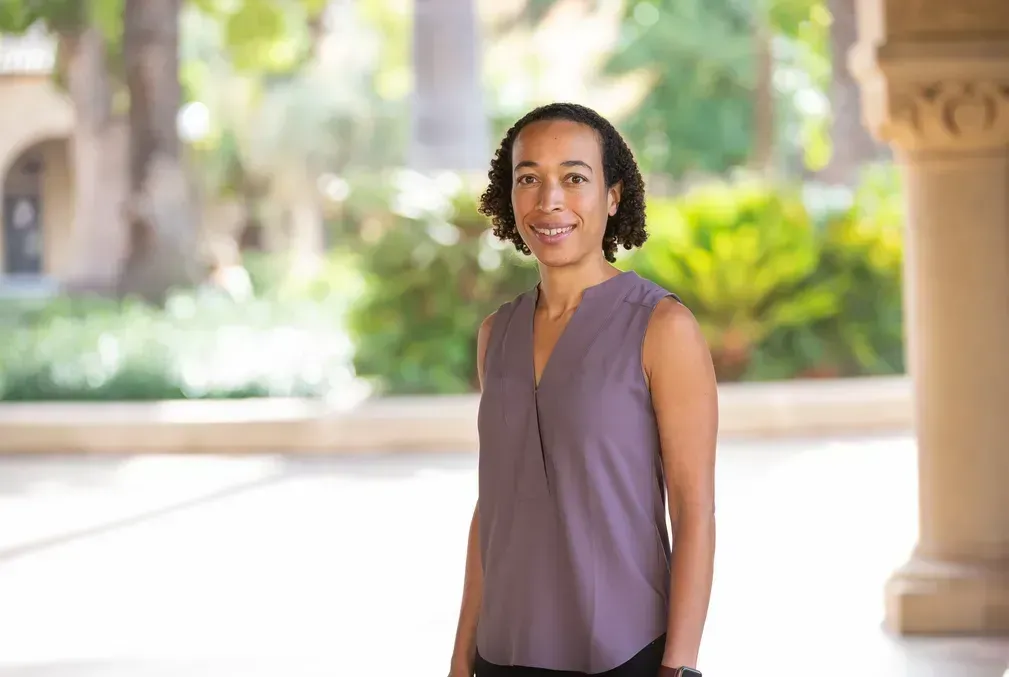
Monika Schleier-Smith honored with 2023 Benjamin Franklin NextGen Award
February 13, 2023
How will ChatGPT change the way we think and work?
December 14, 2022
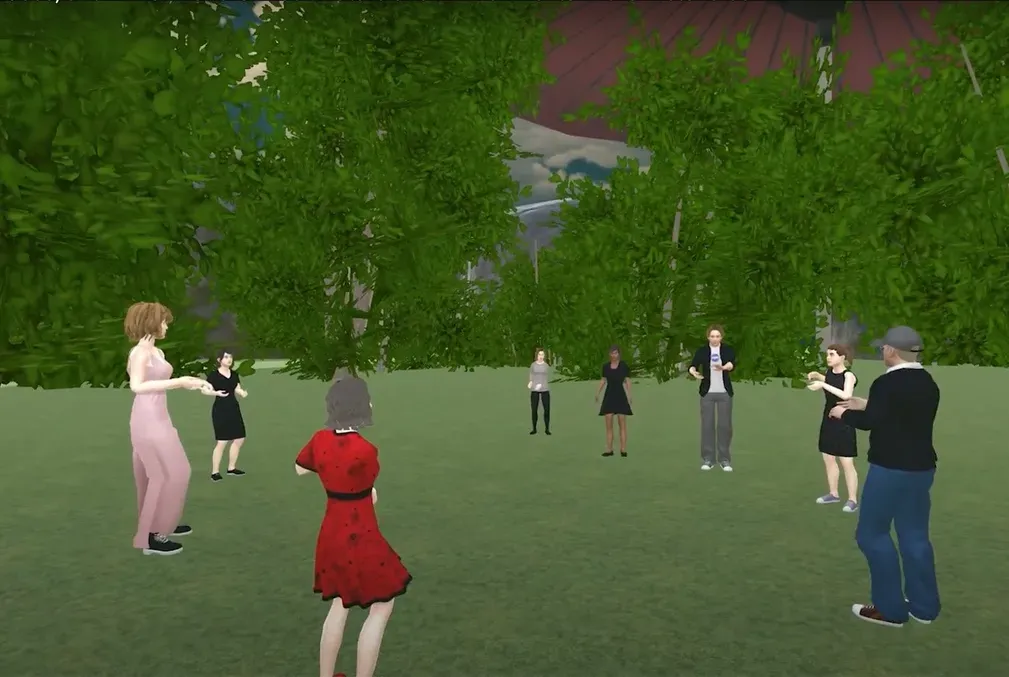
Where and who you are in VR has a real impact, study finds
December 14, 2022
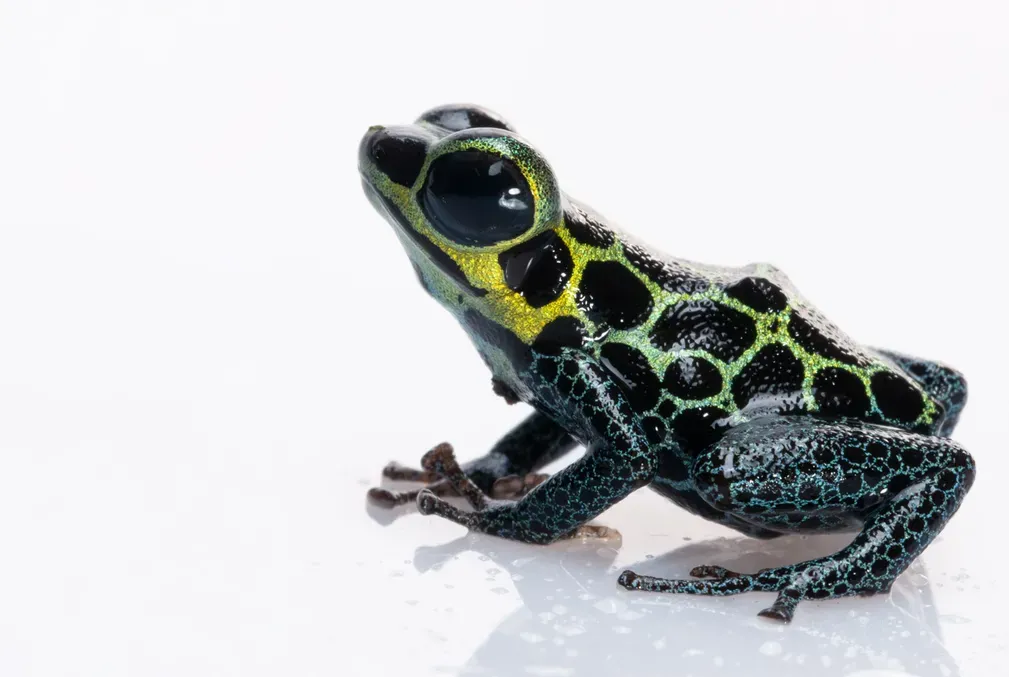
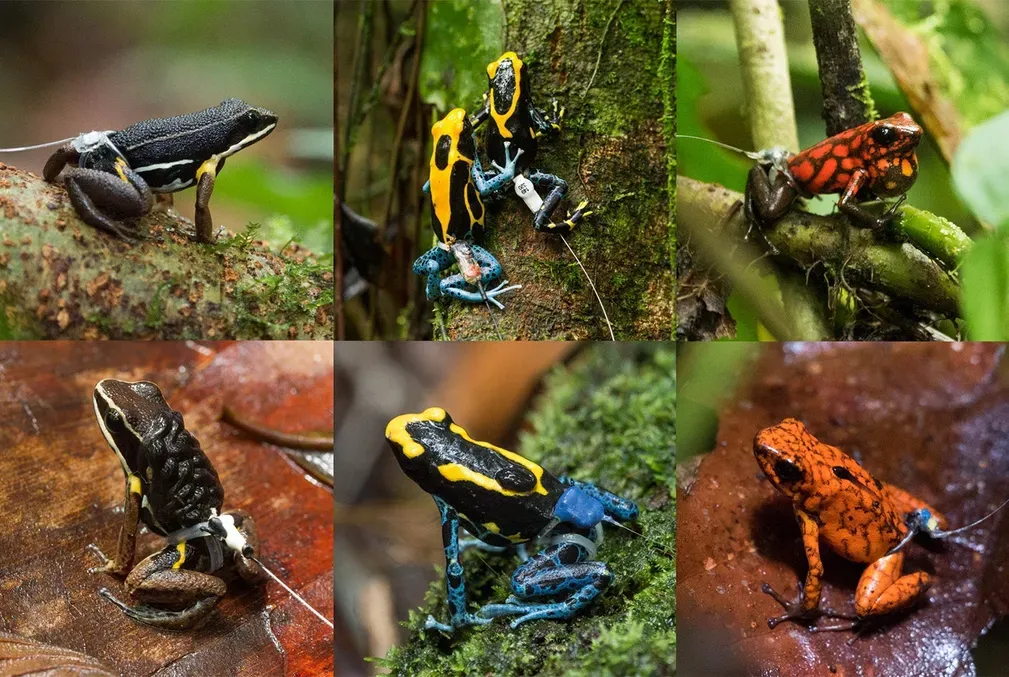
Frogs in space
December 1, 2022
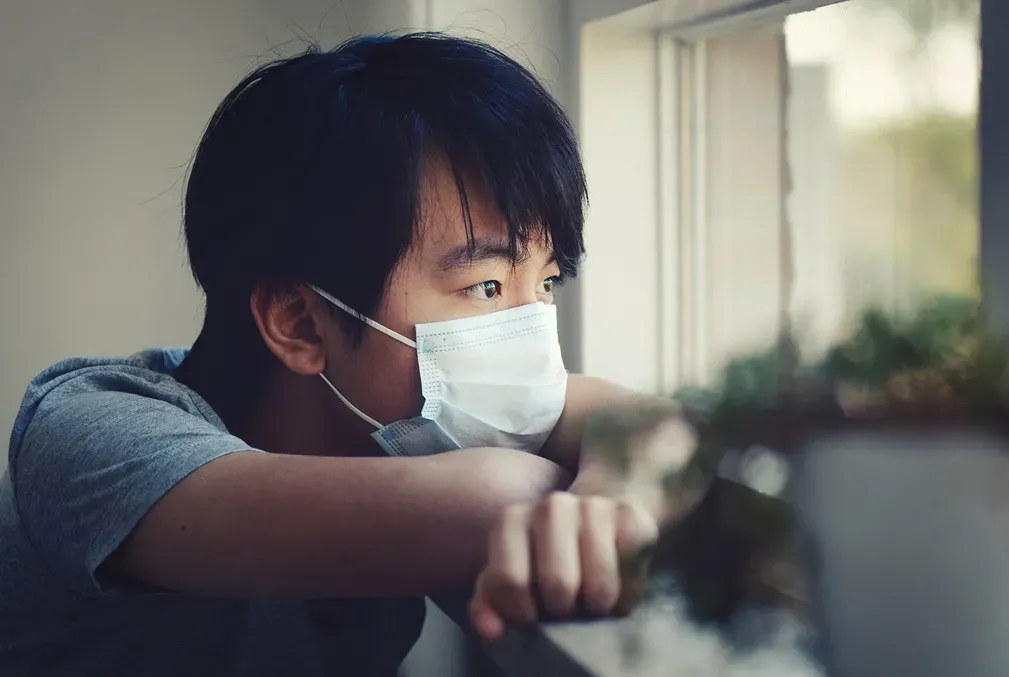
Pandemic stress physically aged teens’ brains, a new study finds
October 6, 2022
Sustainable health care

September 21, 2022
Stanford launches new data science major

May 20, 2022
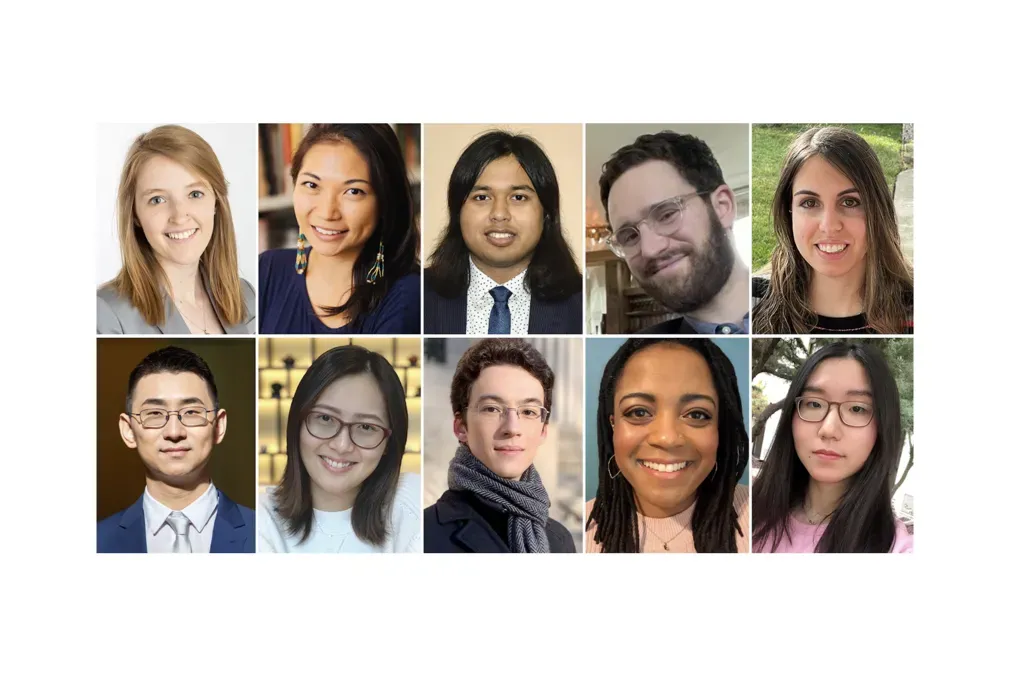
2022 cohort of Stanford Science Fellows named
May 2, 2022
Gravity telescope to image exoplanets
April 27, 2022
Early COVID-19 mindset predicts well-being
April 21, 2022
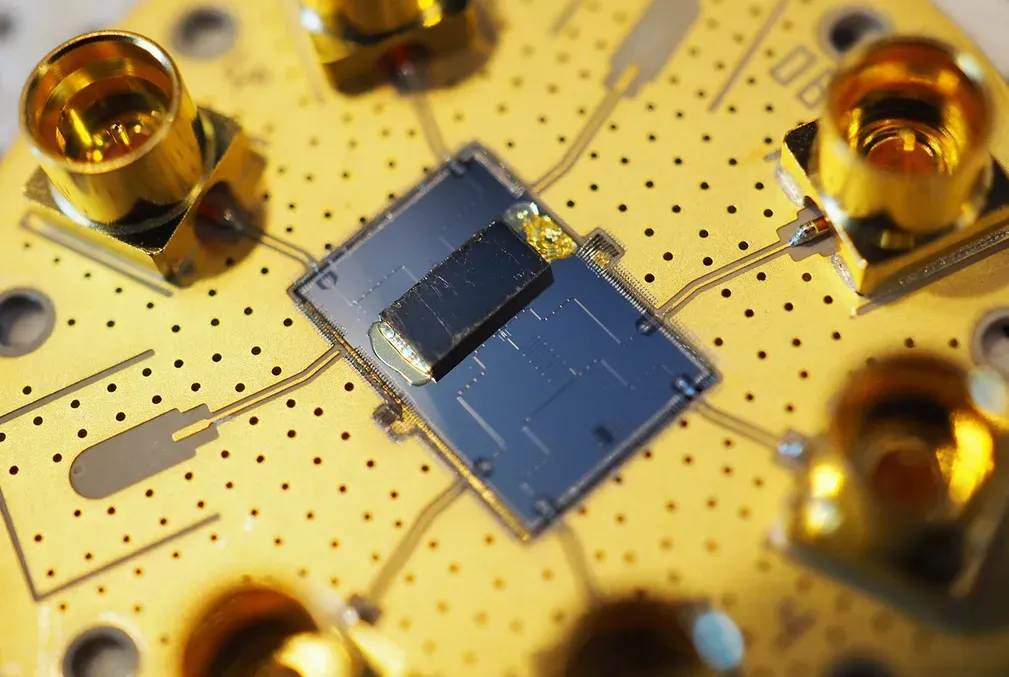
New hardware integrates mechanical devices into quantum tech
March 21, 2022
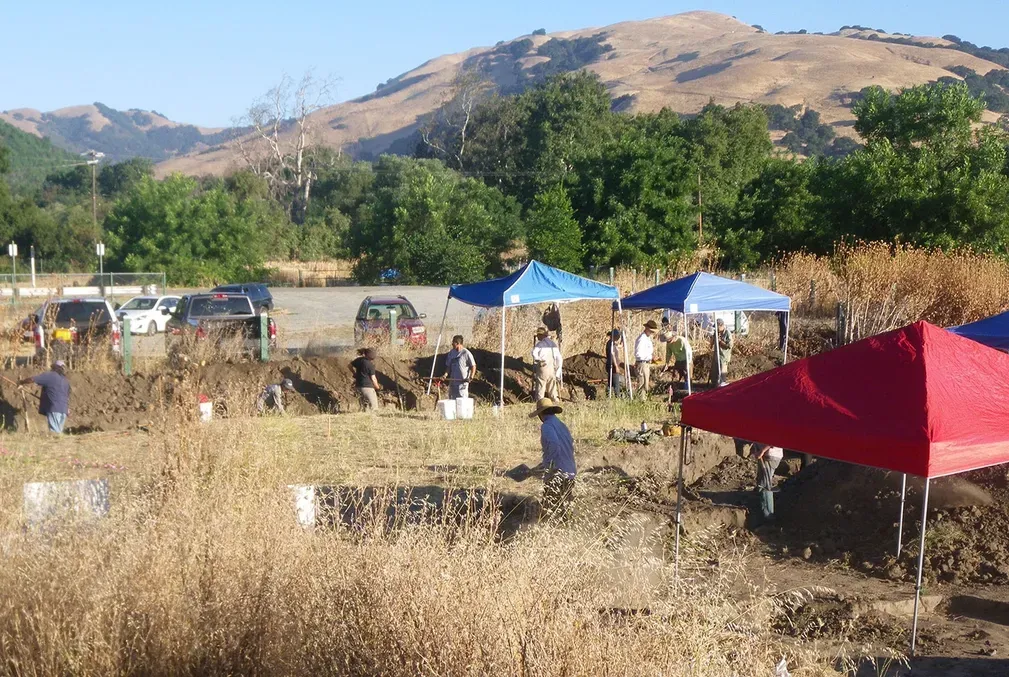
Genomic analysis supports ancient Muwekma Ohlone connection
March 10, 2022
Diversity in the discipline of history
March 1, 2022
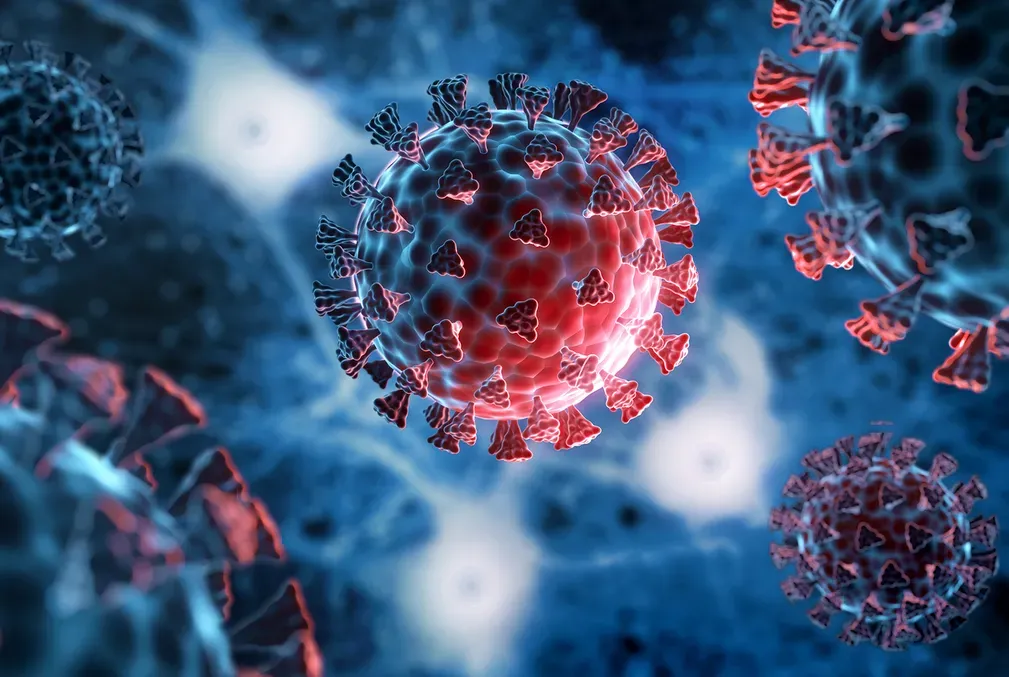
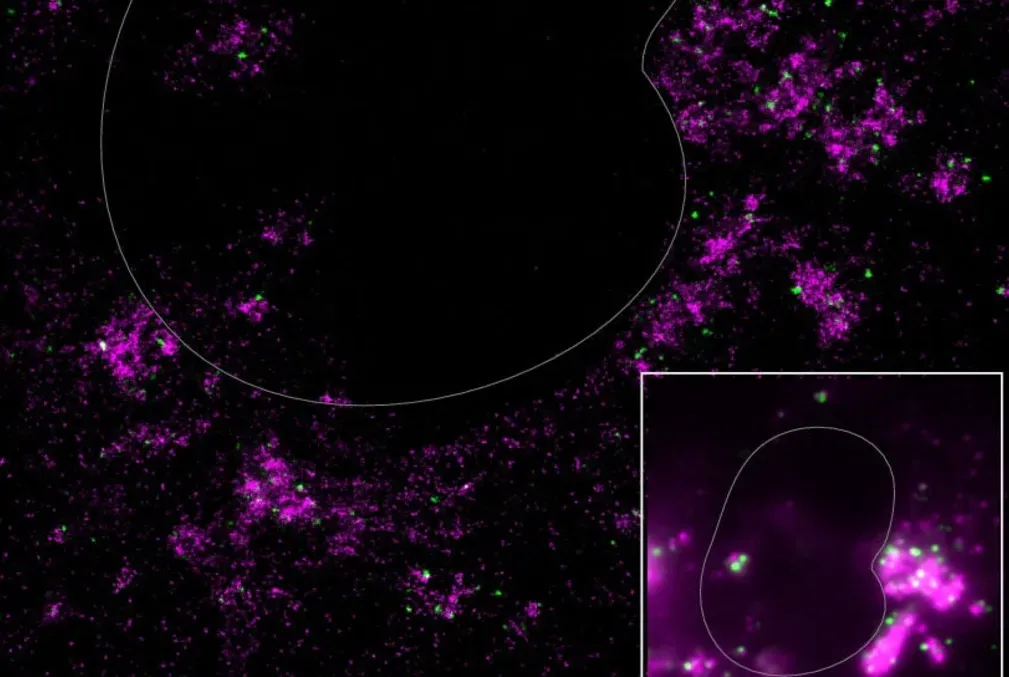
A nanoscale look at coronavirus infection
February 28, 2022
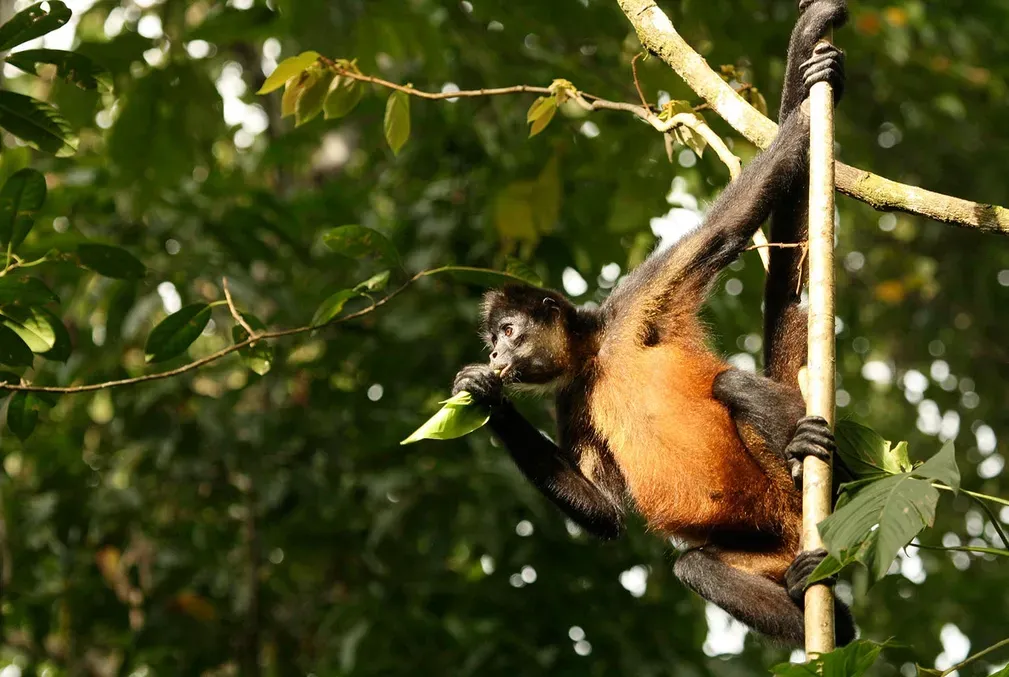
Investing in tourism through wildlife and roads
February 25, 2022
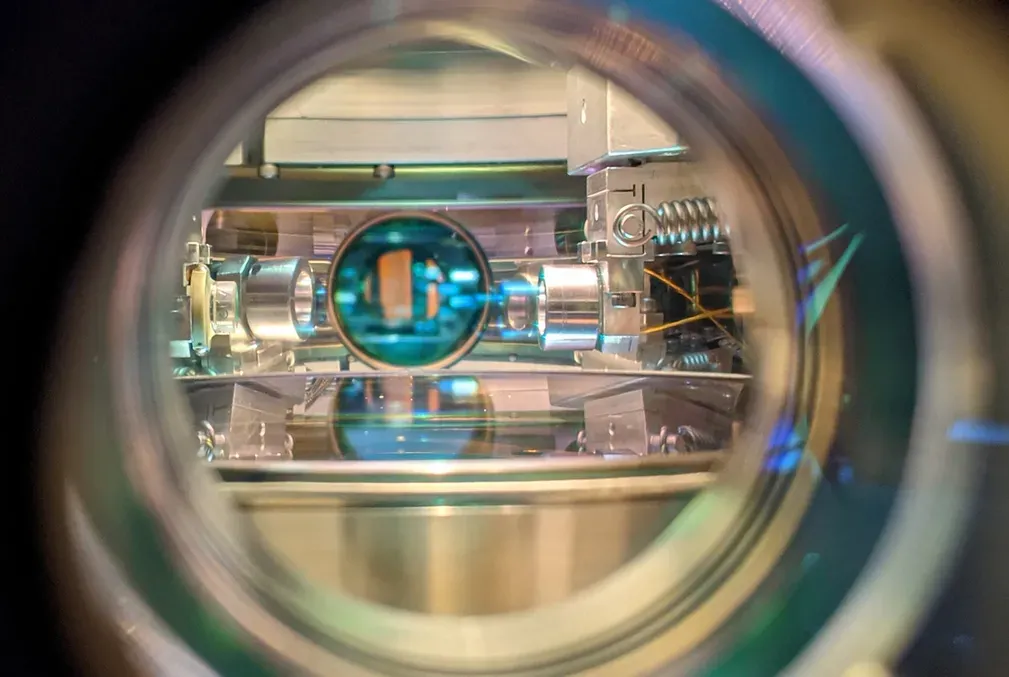
A new way to control atomic interactions
February 7, 2022
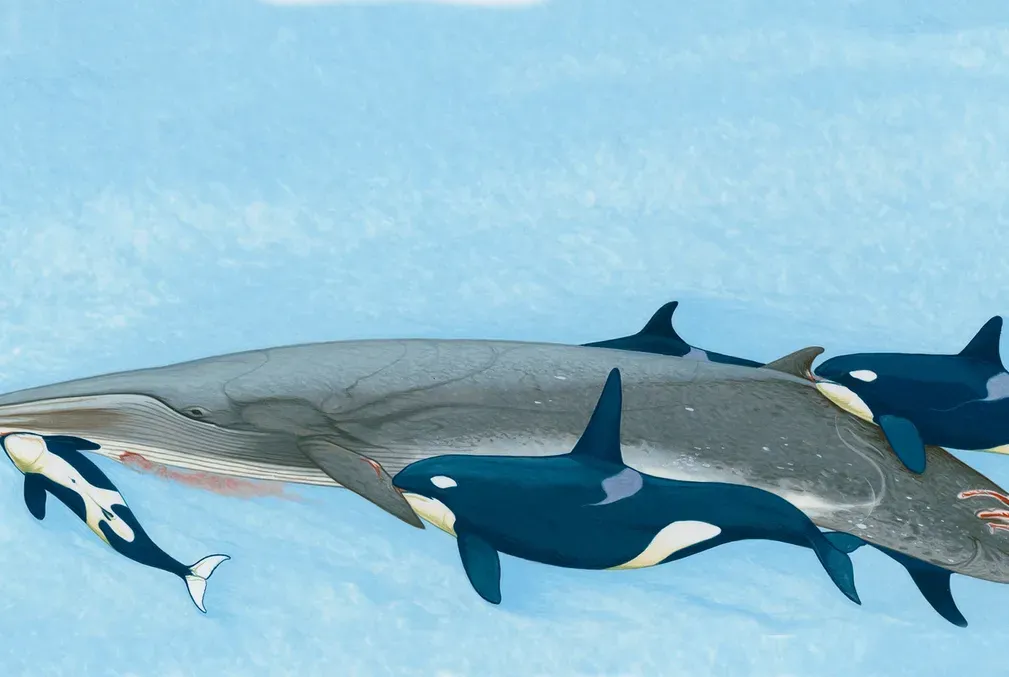
Four questions for Jeremy Goldbogen
January 19, 2022
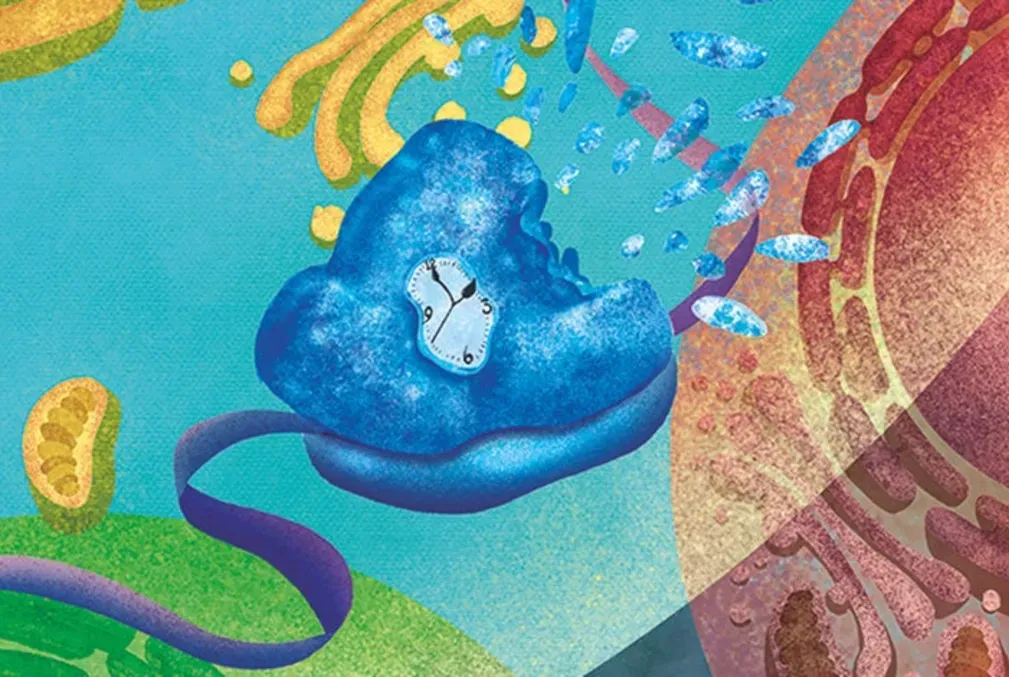
The role of ribosomes in age-related diseases
December 7, 2021
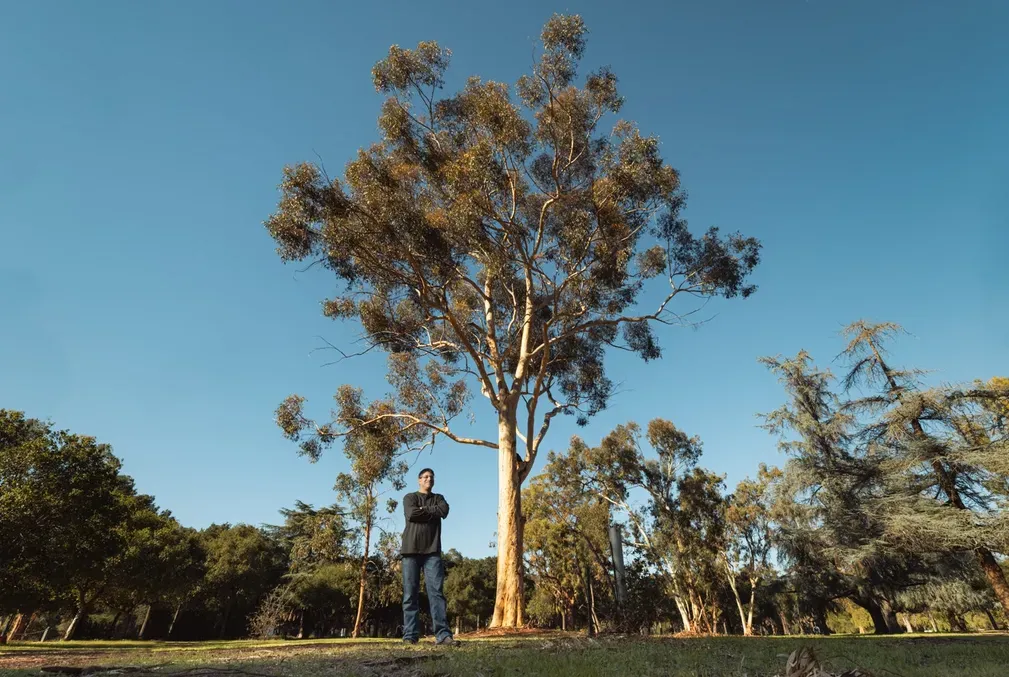
Campus trees depict evolutionary concepts
November 10, 2021
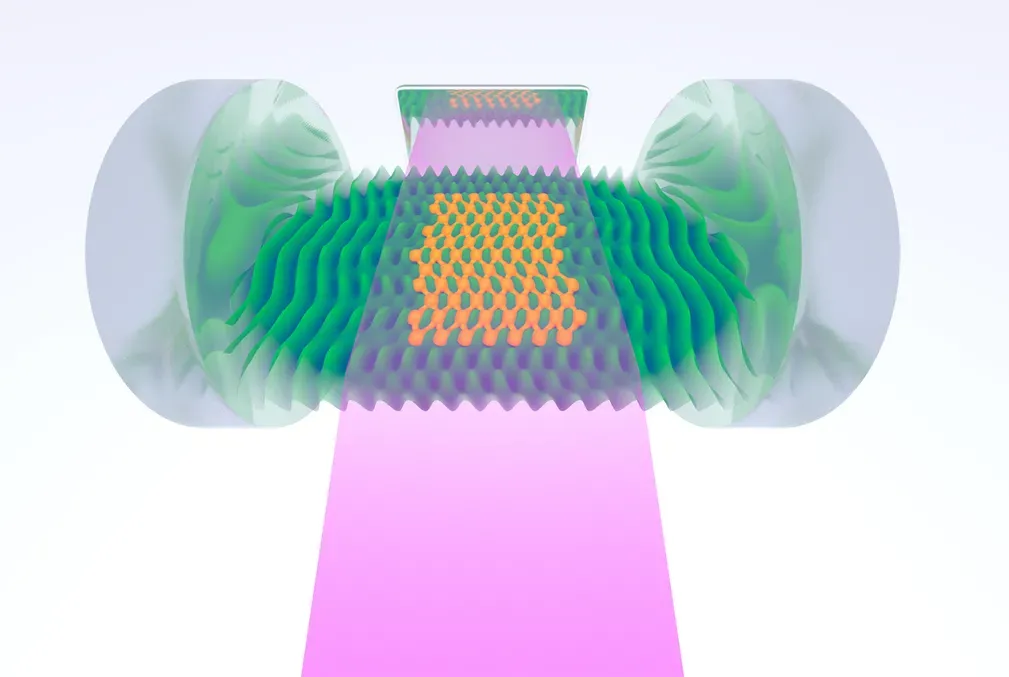
Adding sound to quantum simulations
November 8, 2021
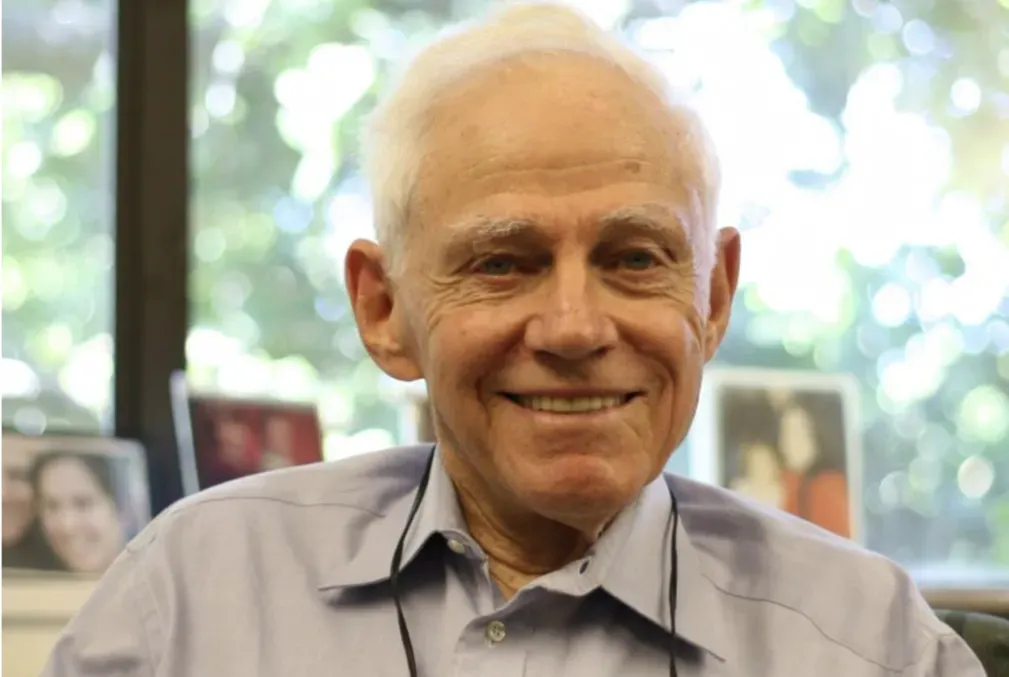
Stanford physicist and engineer Theodore “Ted” H. Geballe has died
November 5, 2021
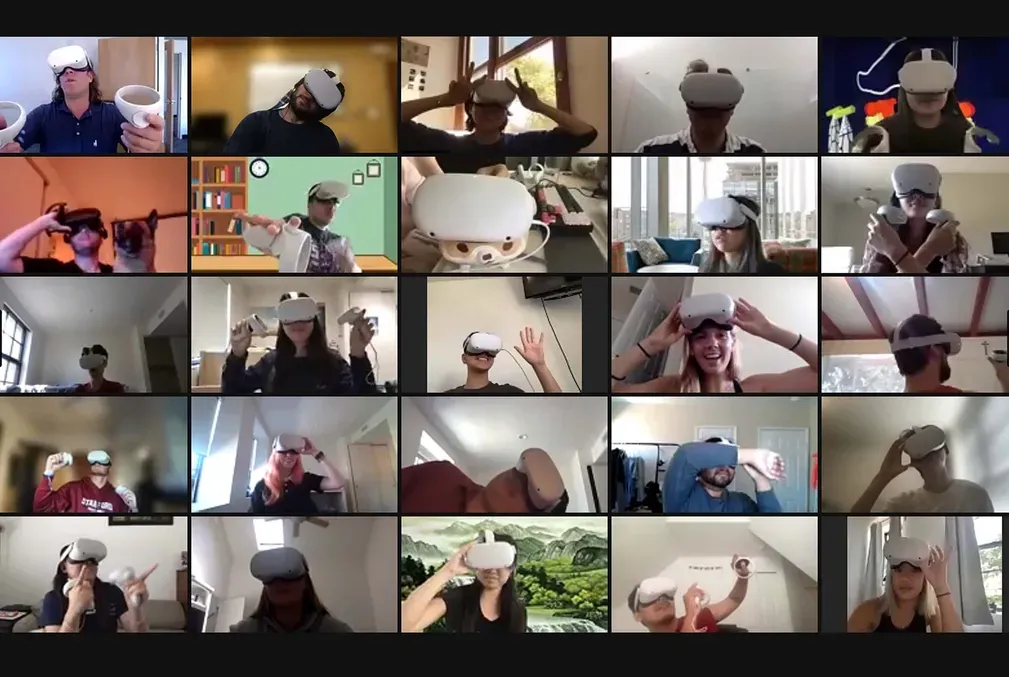
New class among the first taught entirely in virtual reality
November 3, 2021
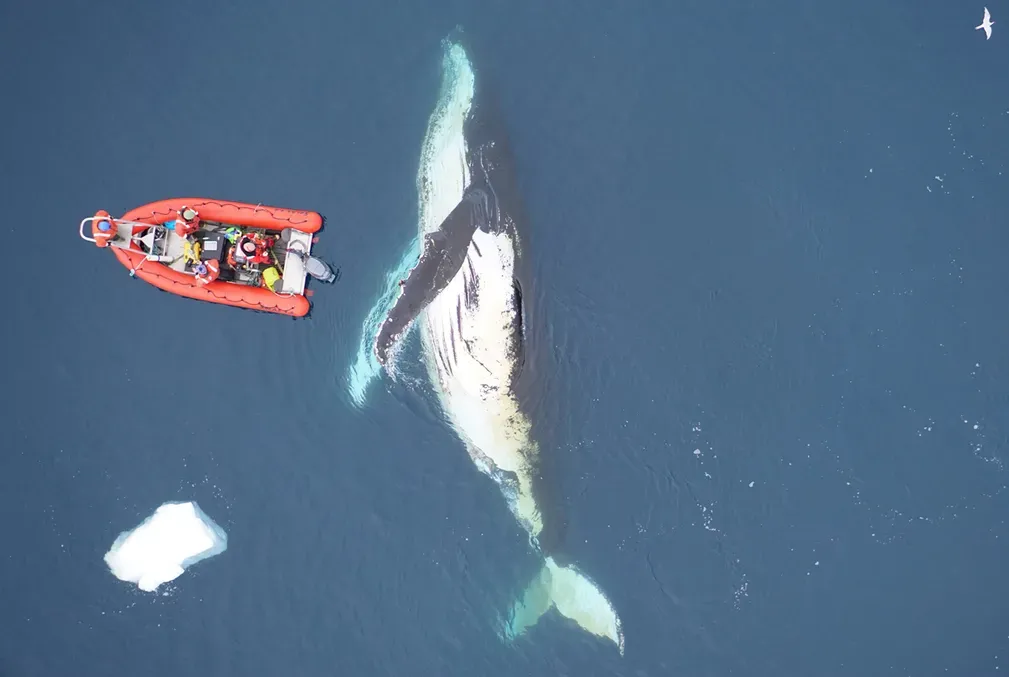
Researchers find whales eat more than expected
September 23, 2021
Three faculty are announced as HHMI investigators
September 15, 2021
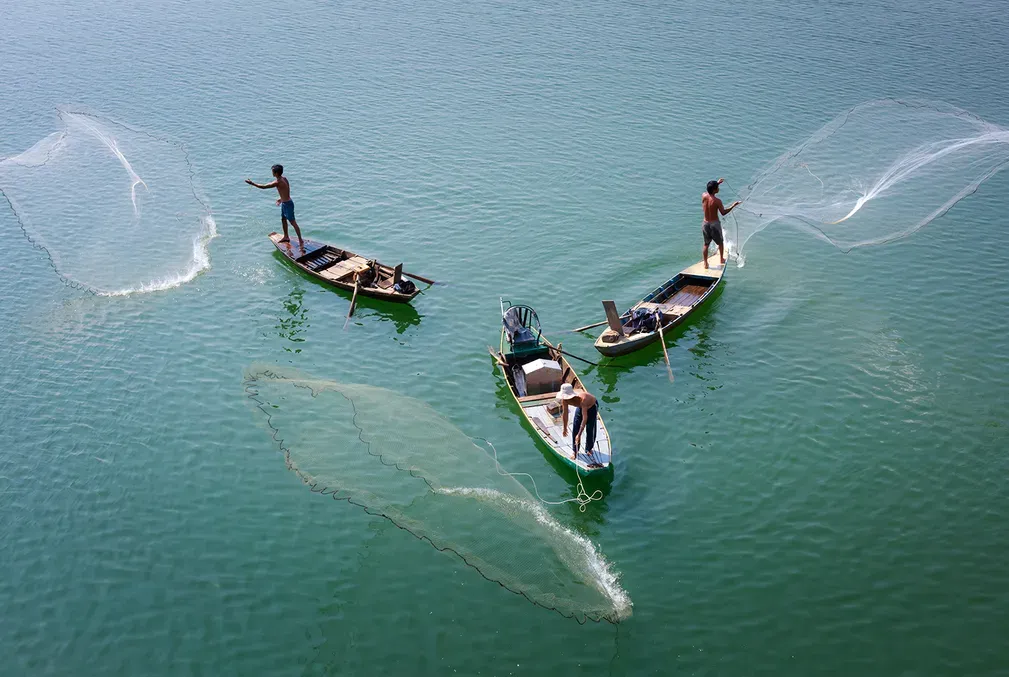
Small fish in a big pond
September 7, 2021
Modeling the role of influencers in shaping fads
September 1, 2021
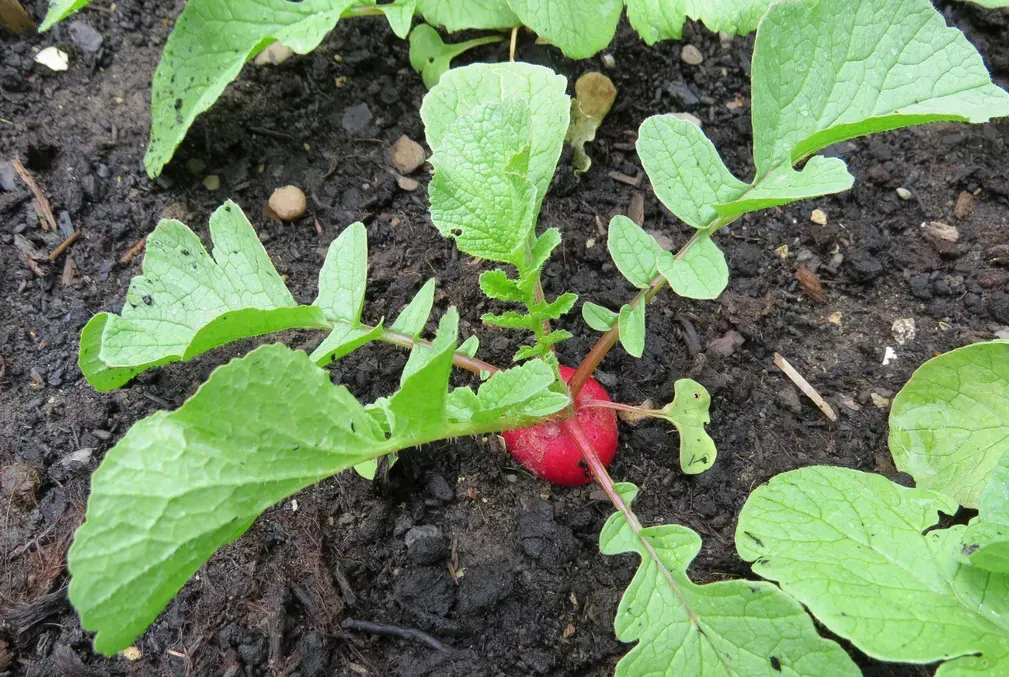
Anti-predator gene expression in wild radishes
August 25, 2021
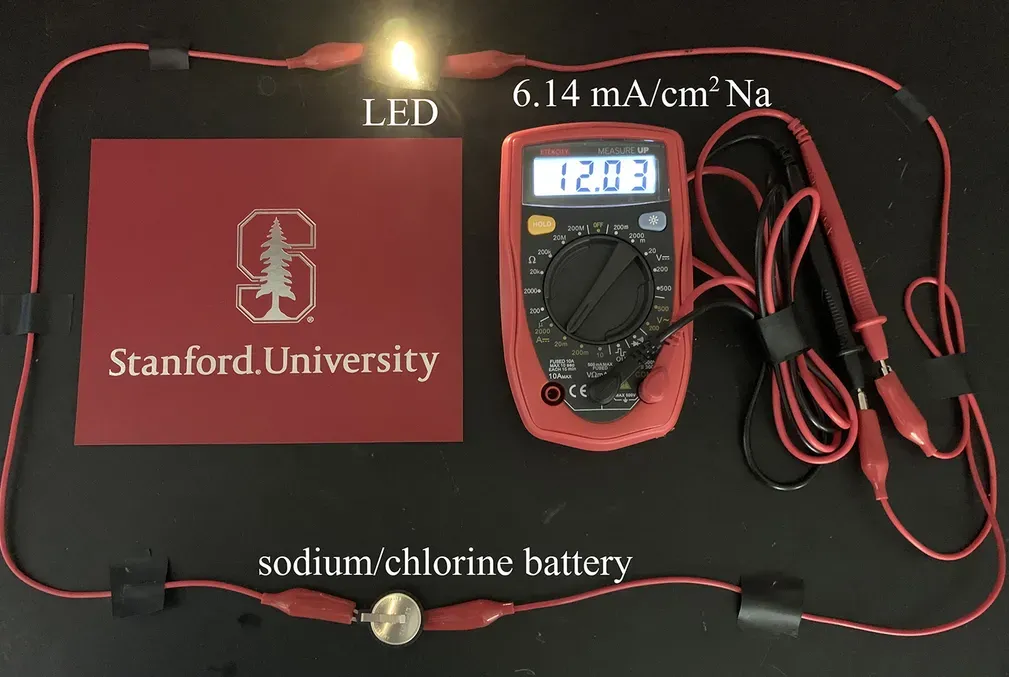
Researchers make alkali metal-chlorine batteries rechargeable

August 5, 2021
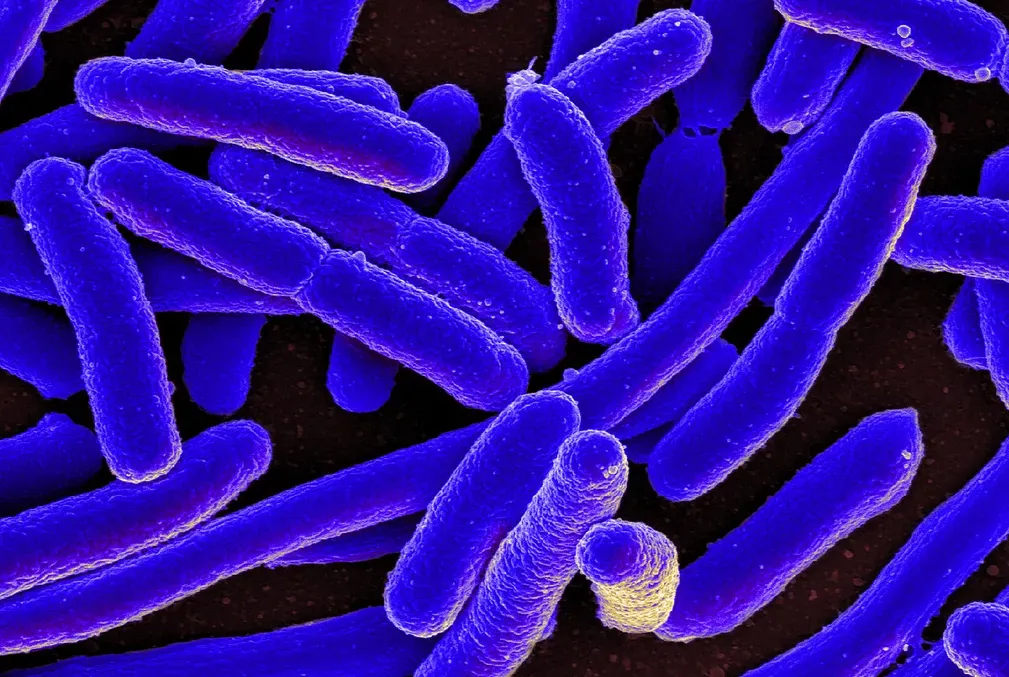
Survey suggests reduced invasion of Argentine ants
August 5, 2021
Secrets of how cells cram in oversized genomes revealed

June 21, 2021
Recycling brain regions

June 16, 2021
Supporting open and reproducible science
June 1, 2021
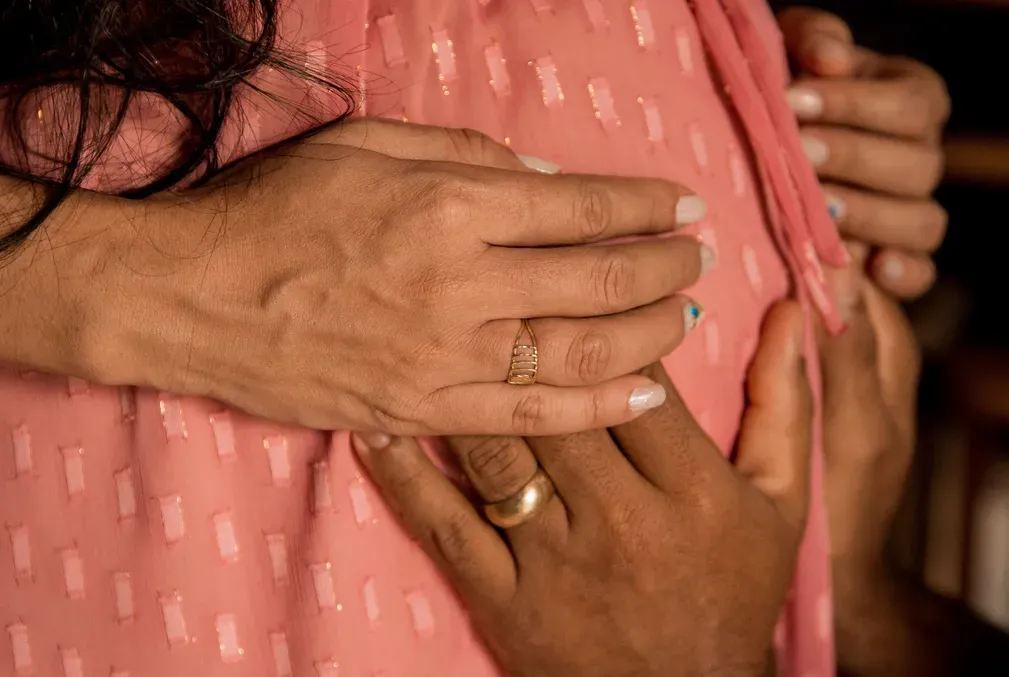
Stress during pregnancy doubled during pandemic
May 24, 2021
Sterling Award winners honor their mentors
May 18, 2021
Games as therapy for people with language loss
May 17, 2021
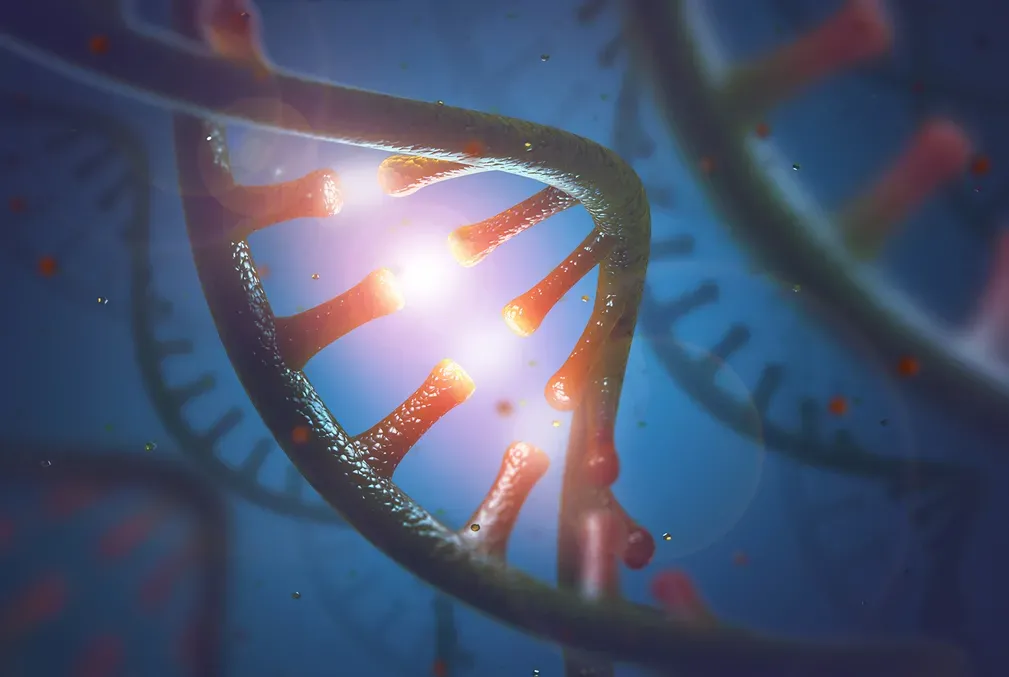
Stanford study reveals new biomolecule
April 22, 2021
Oceans examined through historical and literary lenses
April 13, 2021
Guide for science outreach
April 8, 2021
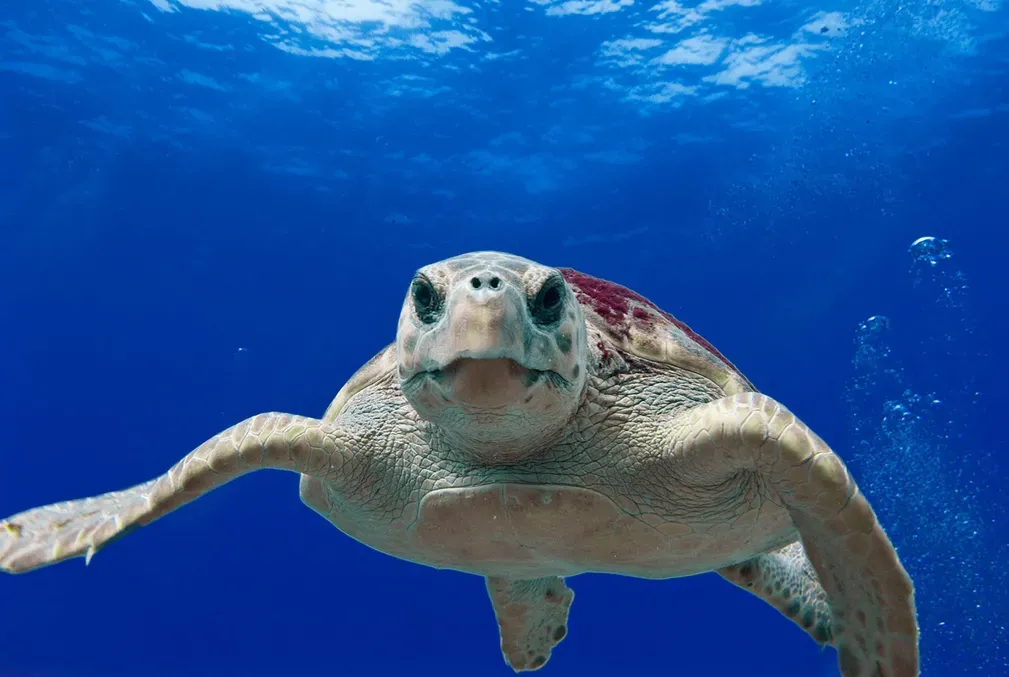
Illuminating a sea turtle mystery
April 5, 2021
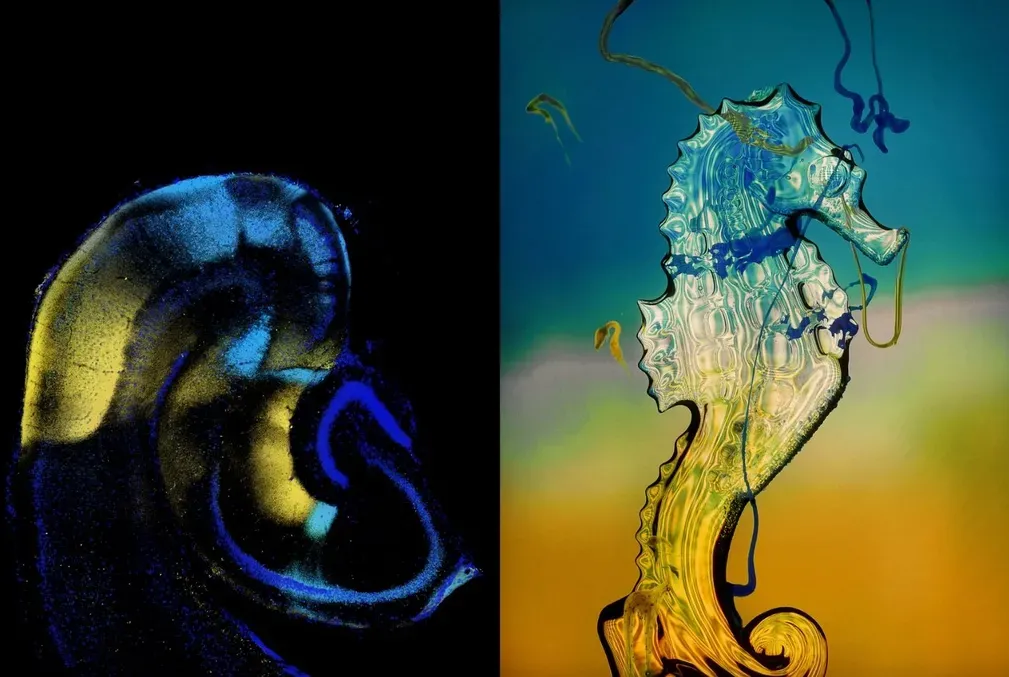
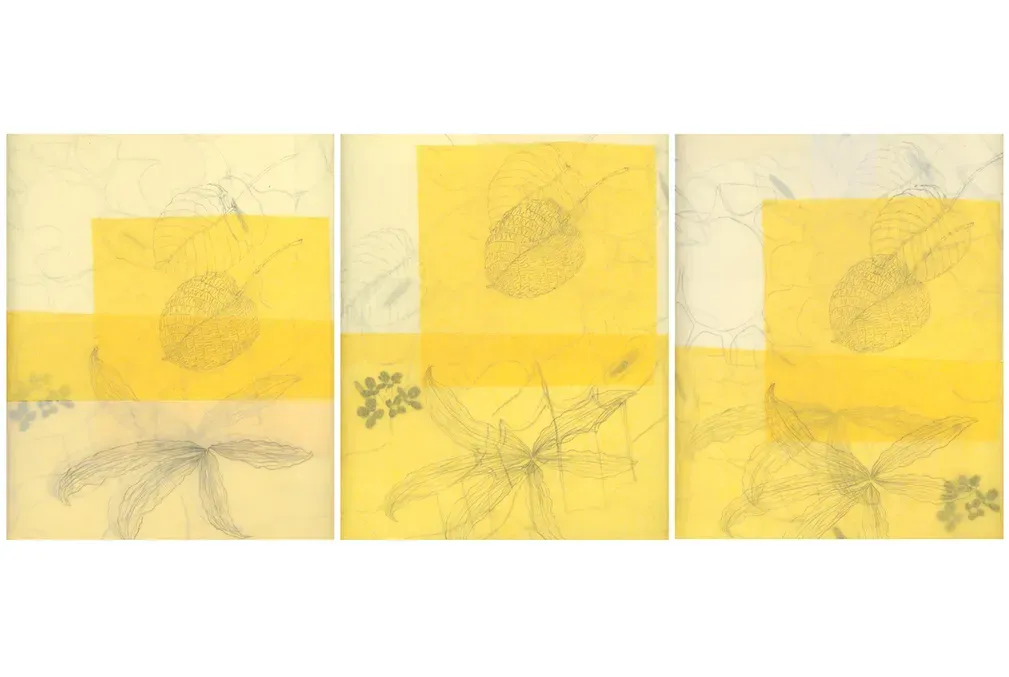
An artful study of cellular development in leaves
March 30, 2021
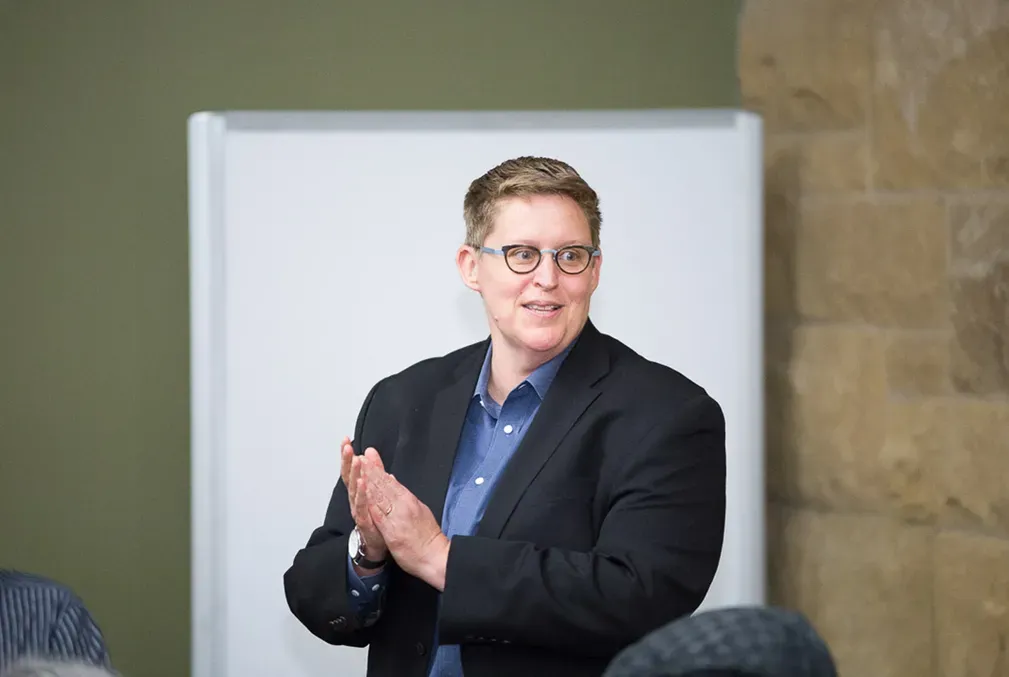
Harassment in archaeology is occurring at ‘epidemic rates’
March 19, 2021
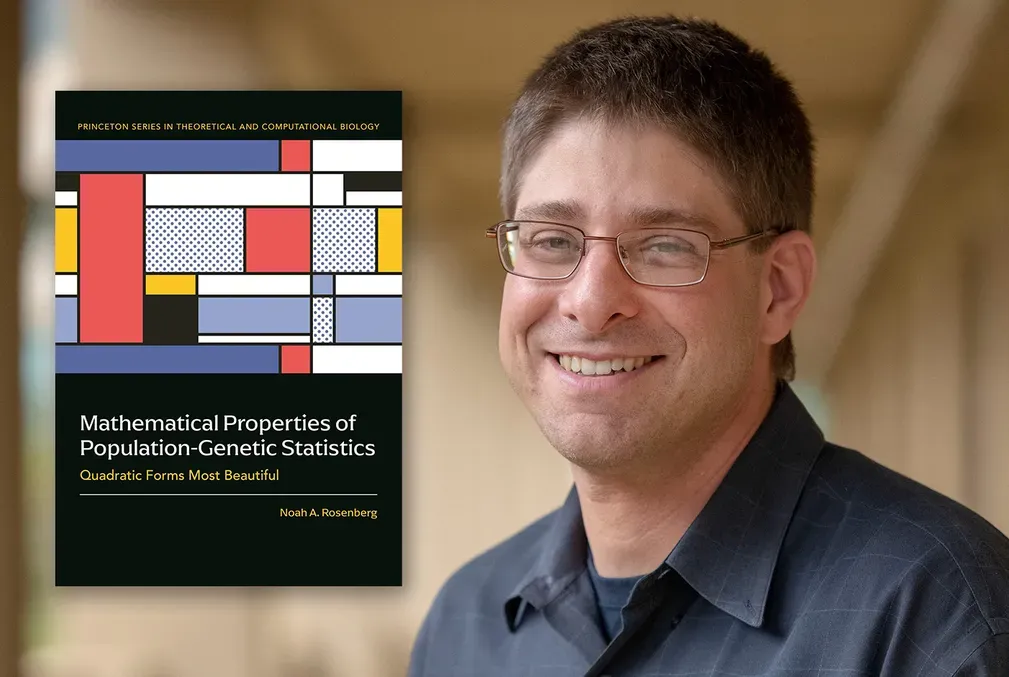
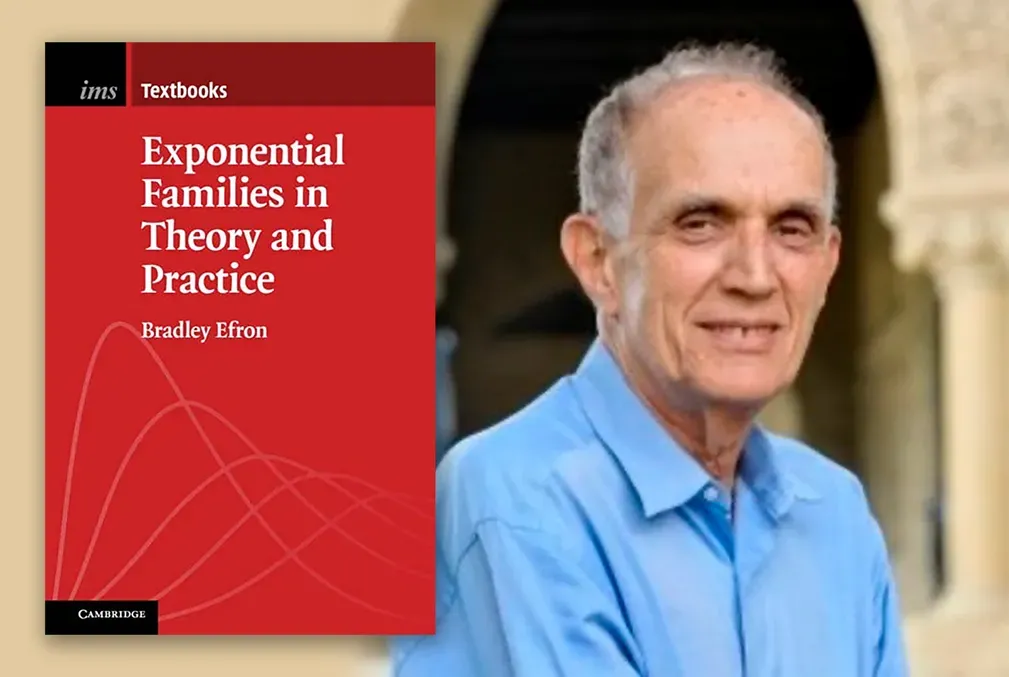
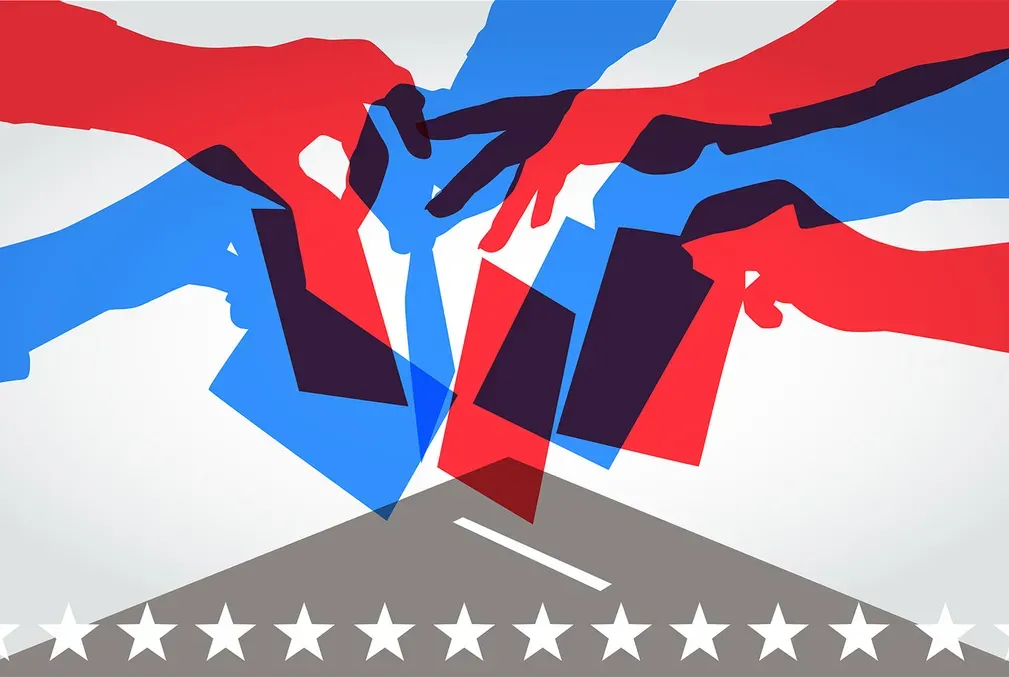
Honesty in statistical models
March 16, 2021
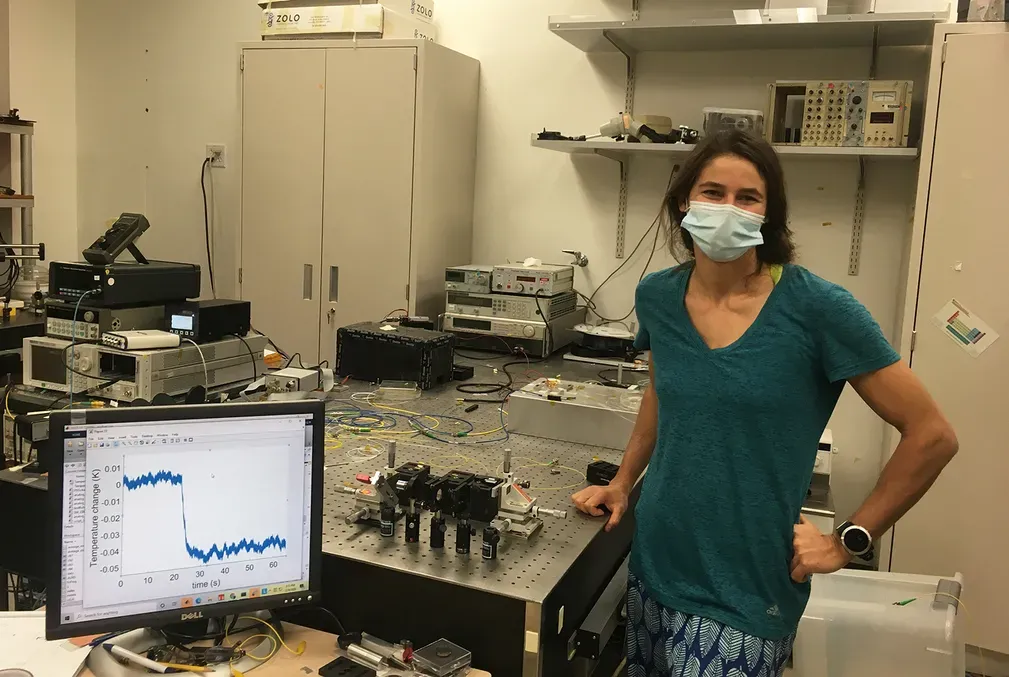
First self-cooling fiber laser made with silica
March 11, 2021
Growing neurons gain an edge by making connections
March 8, 2021
Assessing regulatory fairness through machine learning
February 10, 2021
How behaviors complicate epidemic outcomes
January 27, 2021
How diseases and history are intertwined
January 14, 2021
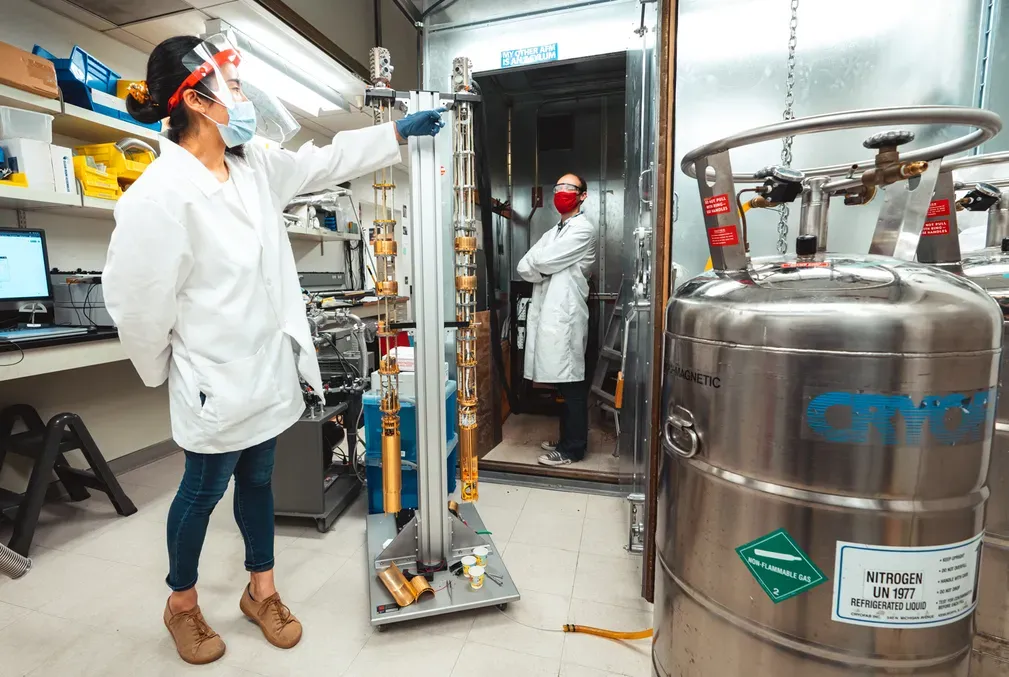
New state of matter in one-dimensional quantum gas
January 13, 2021
Research during the COVID-19 pandemic
December 11, 2020
Tagging, recording and replaying neural activity
December 9, 2020
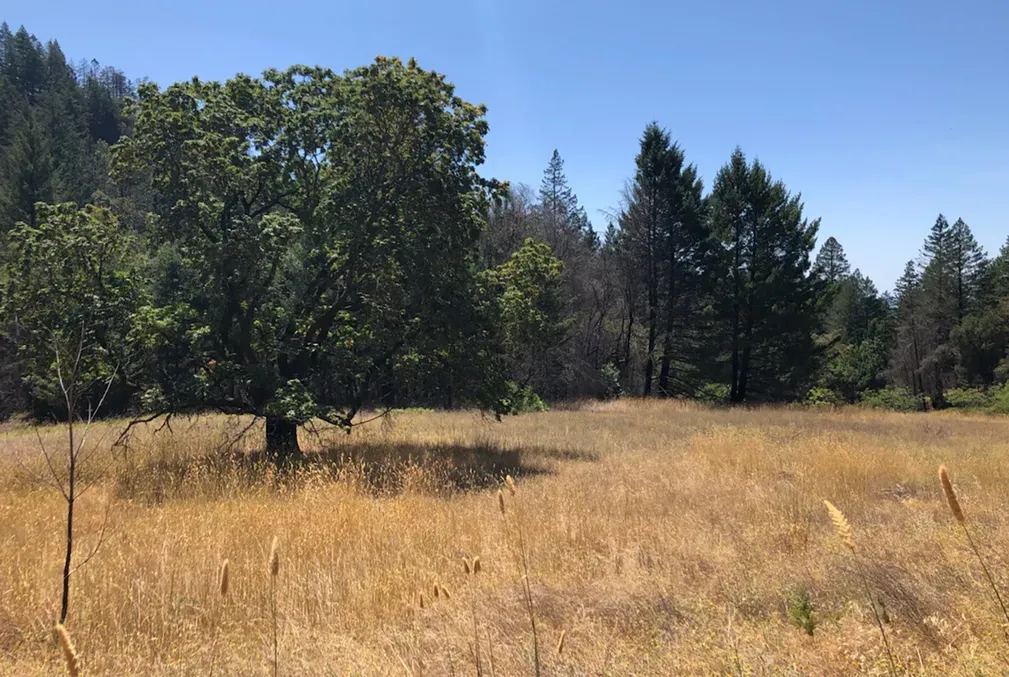
How soil fungi respond to wildfire
December 8, 2020
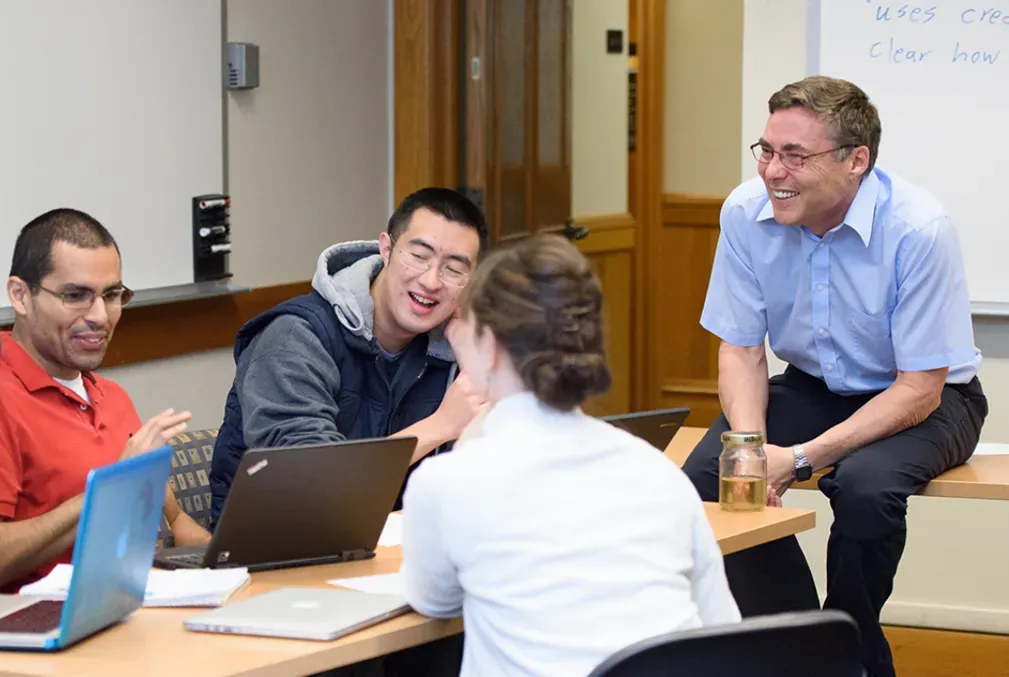
Physicist and educator says new pedagogy imperative for society
November 23, 2020
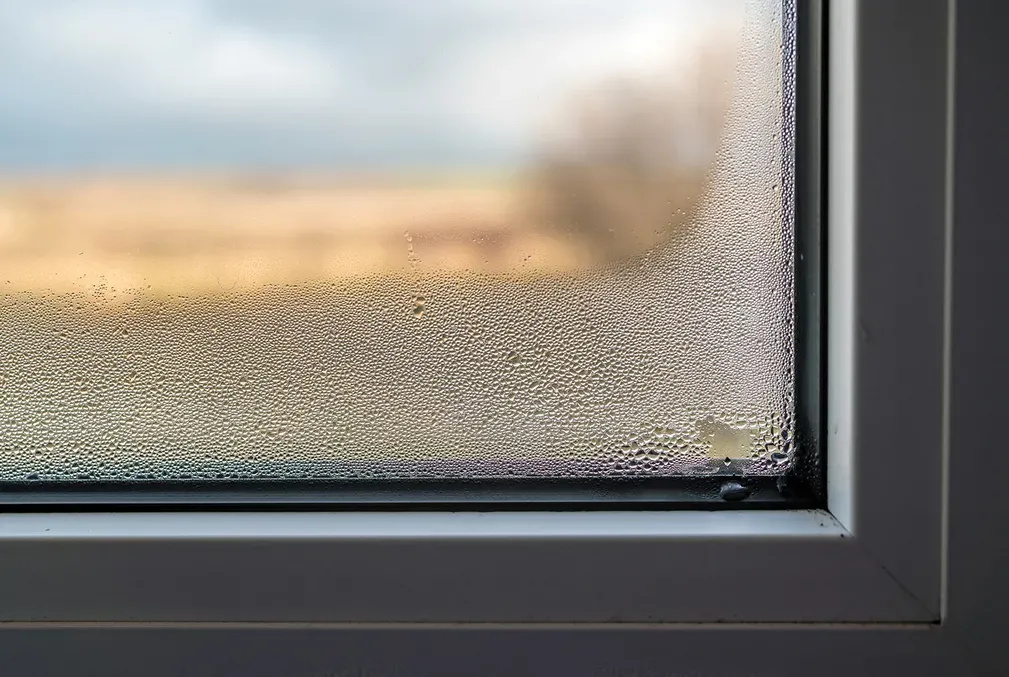
Cooled water vapor forms droplets containing hydrogen peroxide
November 11, 2020
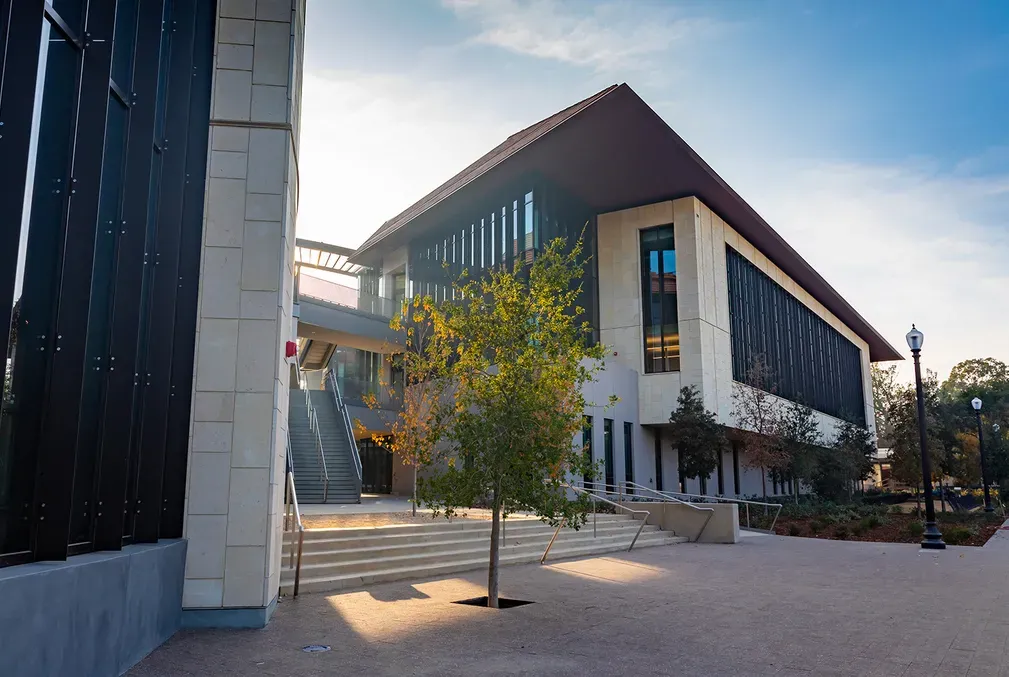
Carolyn Bertozzi named Baker Family Director of Stanford ChEM-H
November 9, 2020
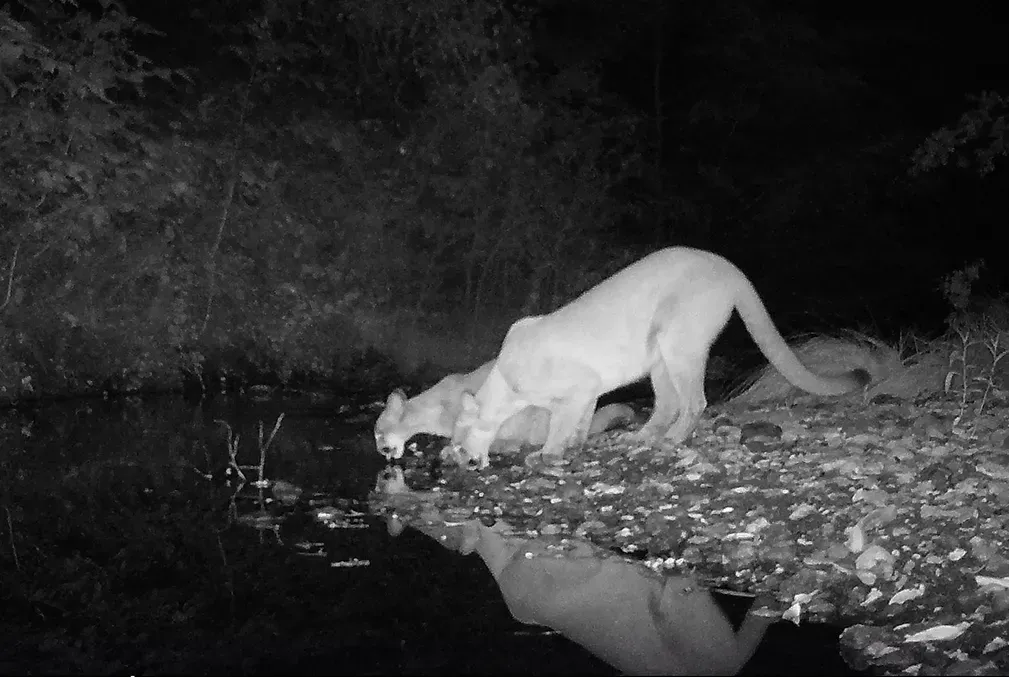
Forecasting ecosystem changes through DNA

October 28, 2020
Poor memory tied to attention lapses and media multitasking
October 6, 2020
MacArthur Genius Grants
October 6, 2020
Major SESI expansion planned

September 25, 2020