Four H&S scholars named 2026 Guggenheim Fellows
Faculty members in the fields of anthropology, economics, history, and sociology are among this year’s honorees.
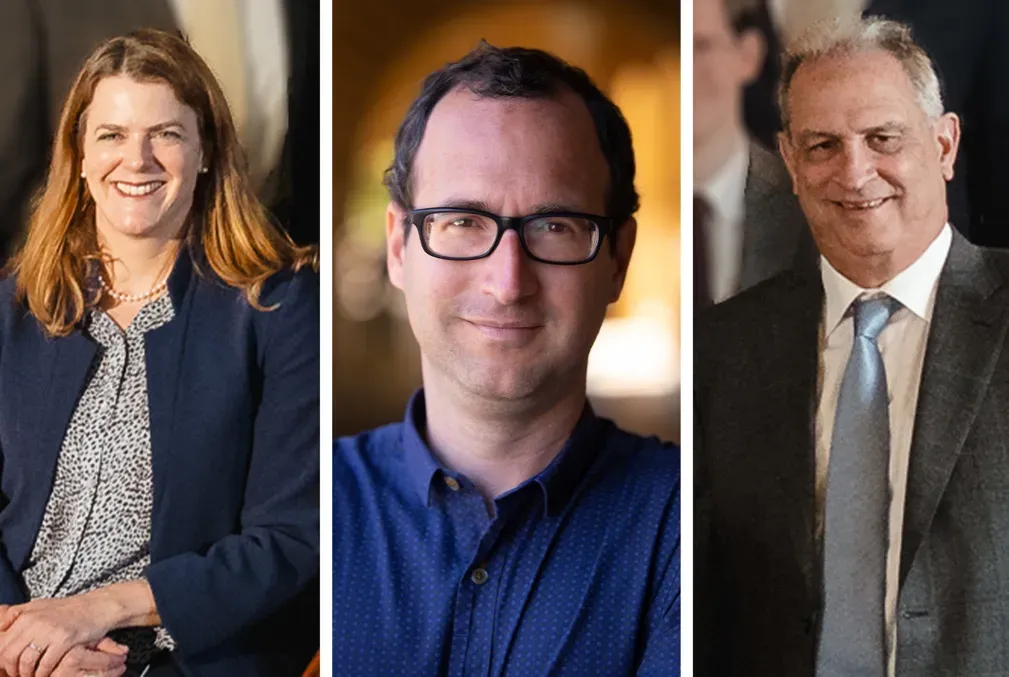
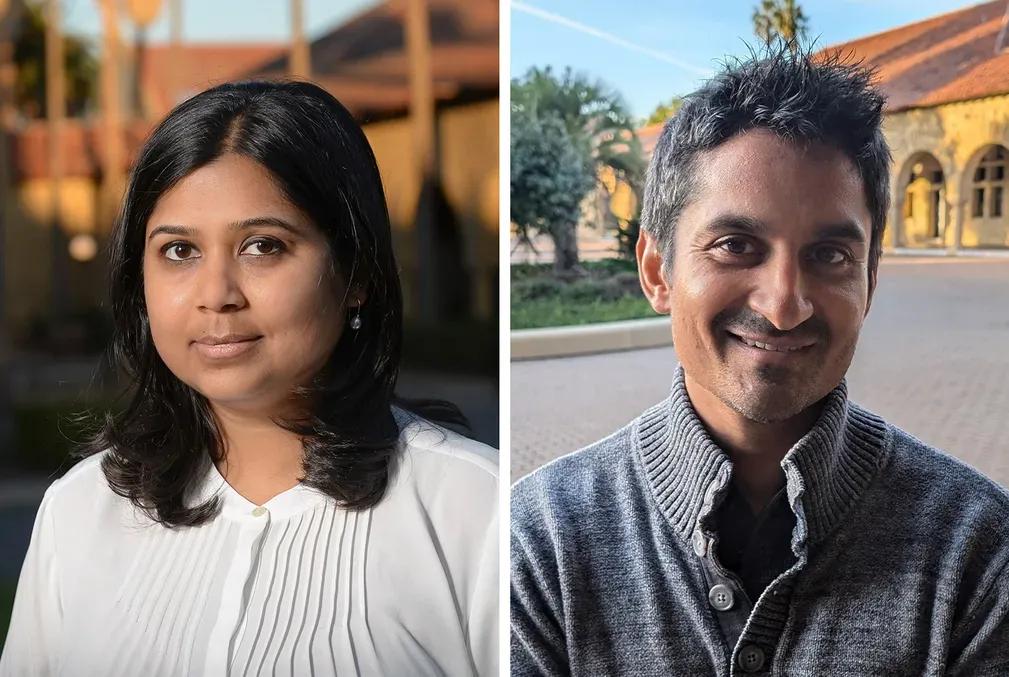
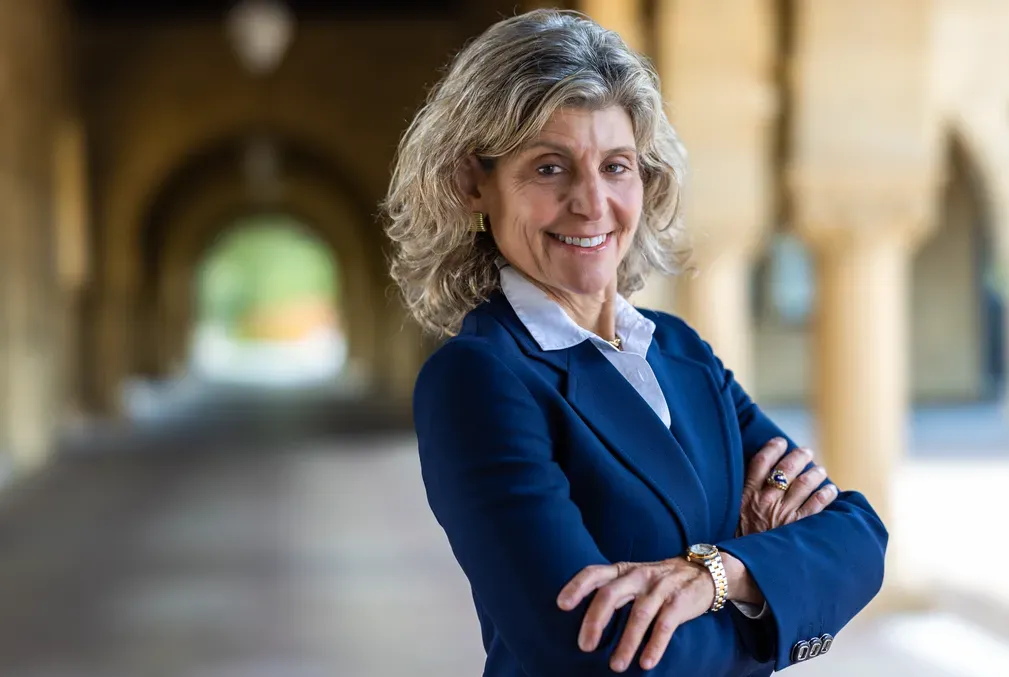
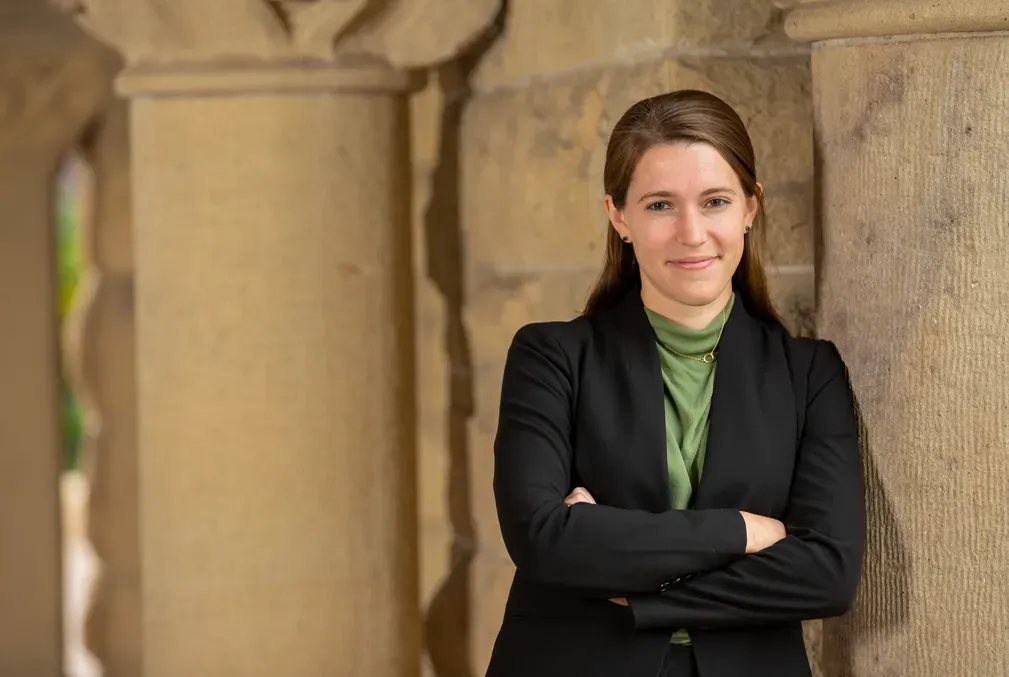
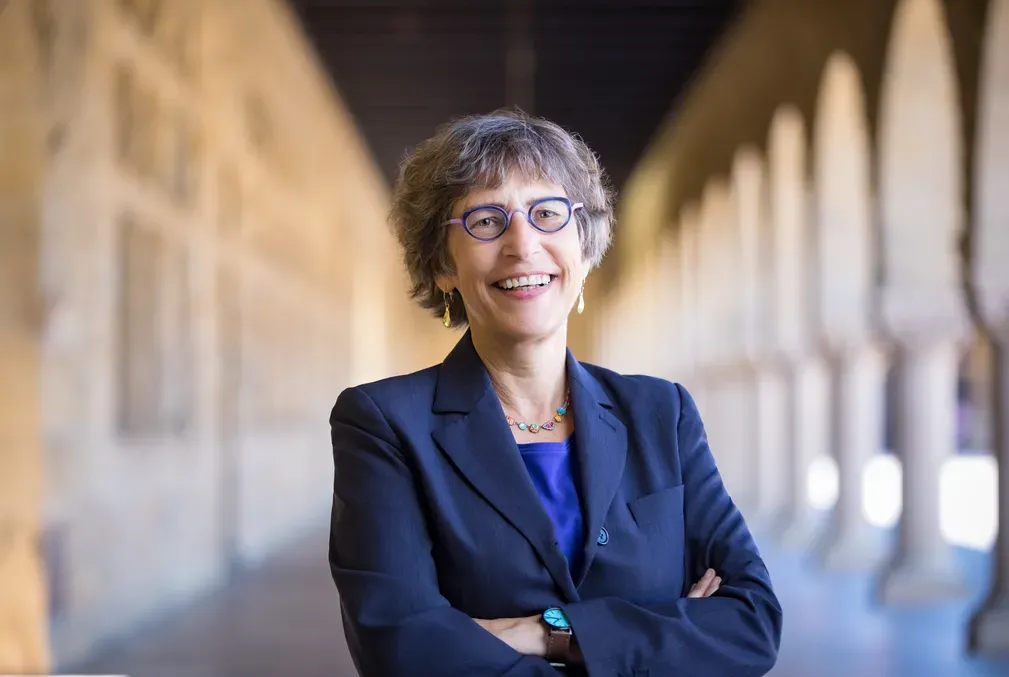
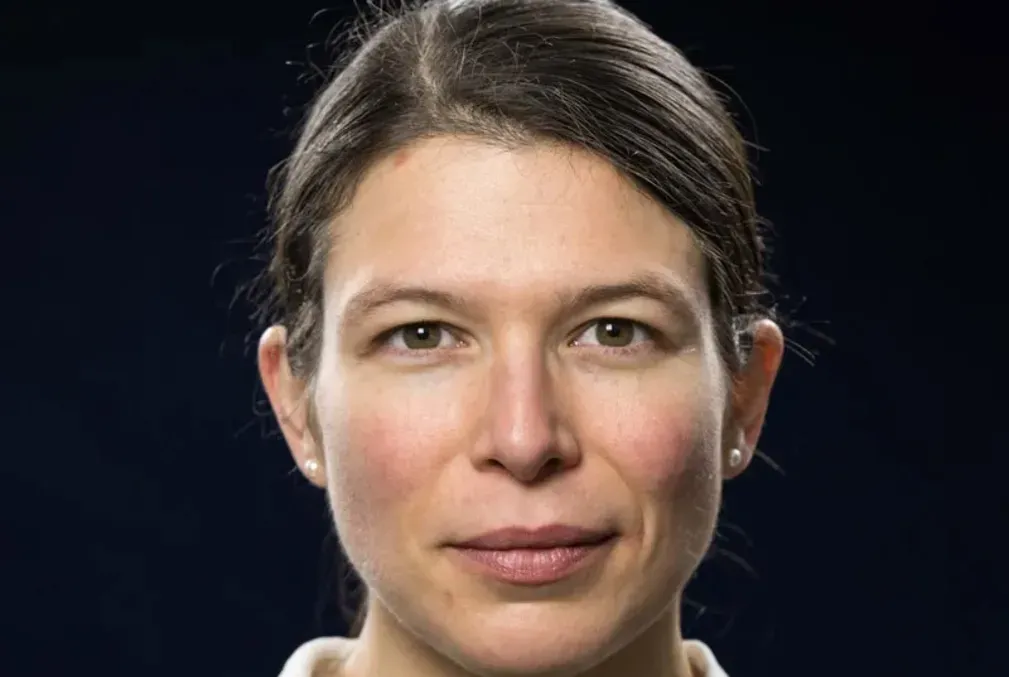
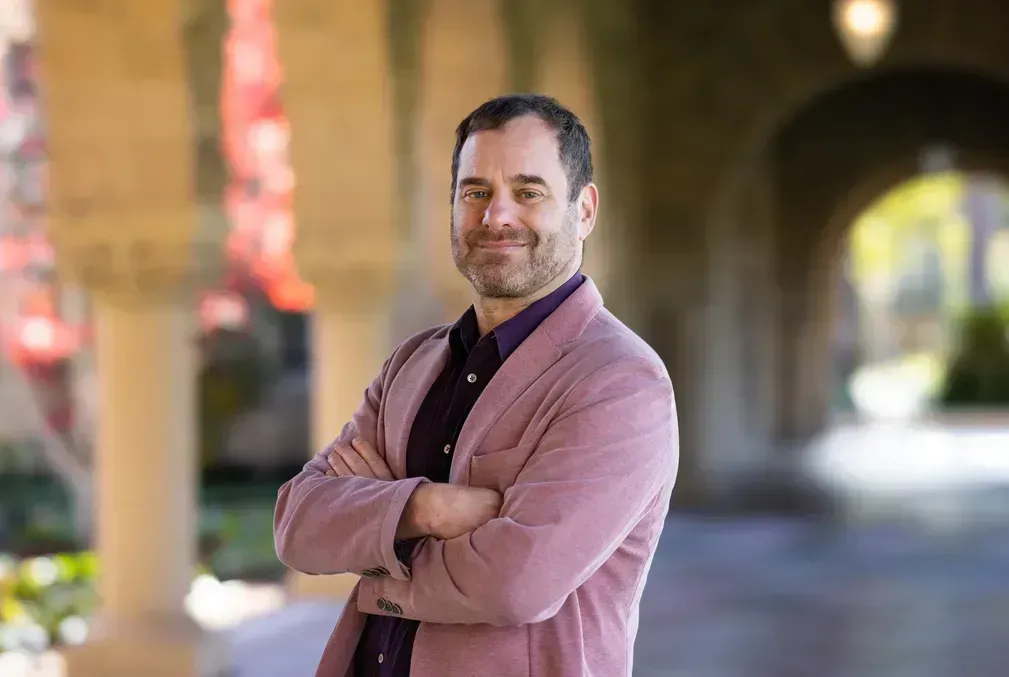
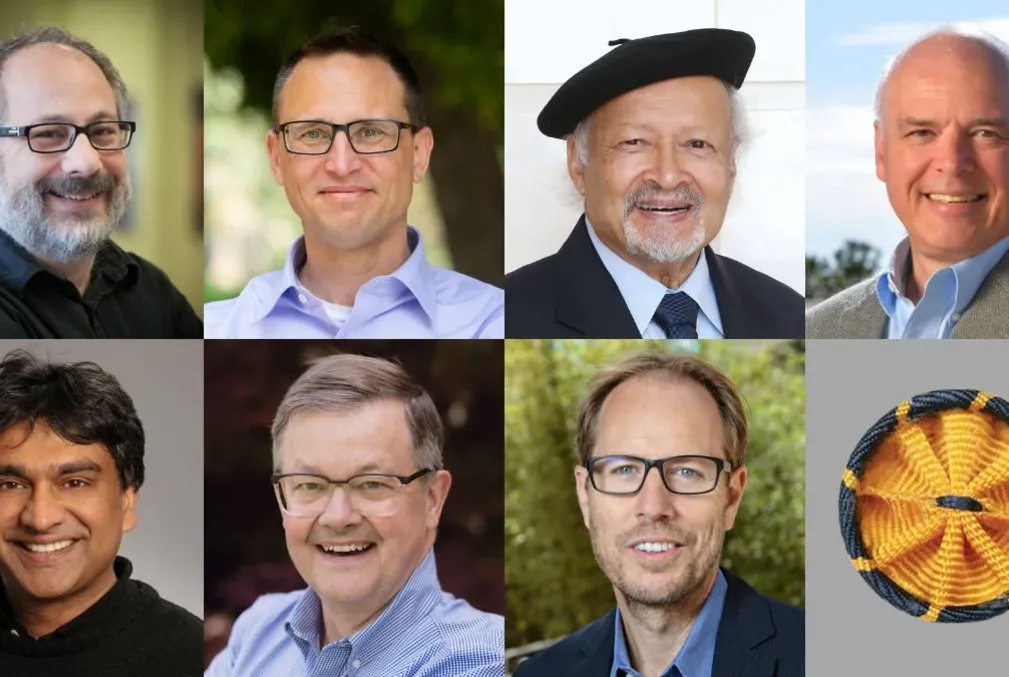
Four researchers from the School of Humanities and Sciences (H&S) have been named Class of 2026 Guggenheim Fellows by the John Simon Guggenheim Memorial Foundation. Founded in 1925, the fellowship recognizes “extraordinary individuals breaking new ground” and provides a monetary stipend for fellows “to pursue independent work at the highest level under ‘the freest possible conditions,’” according to a statement from the foundation.
“Our new class of Guggenheim Fellows is representative of the world’s best thinkers, innovators, and creators in art, science, and scholarship,” said Edward Hirsch, award-winning poet and foundation president, in the statement. “As the Foundation enters its second century and looks to the future, I feel confident that this new class of 223 individuals will do bold and inspiring work, undaunted by the challenges ahead. We are honored to support their visionary contributions.”
Learn more about the honorees from H&S and what they plan to work on through their fellowships:
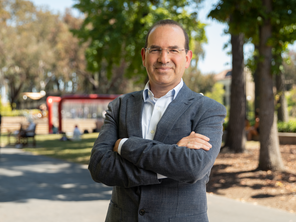
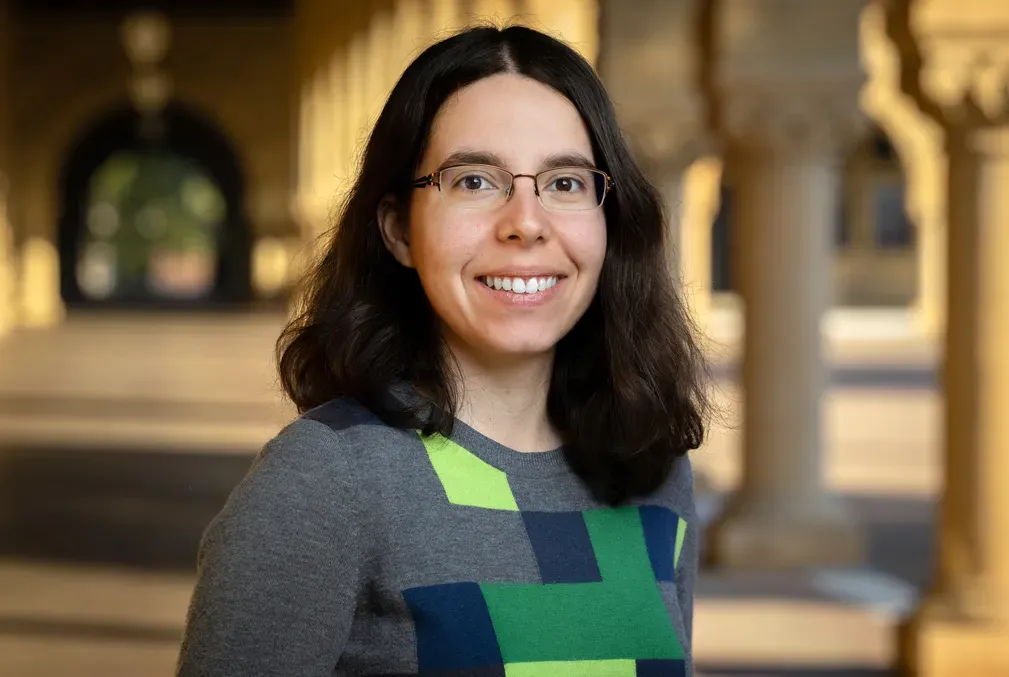
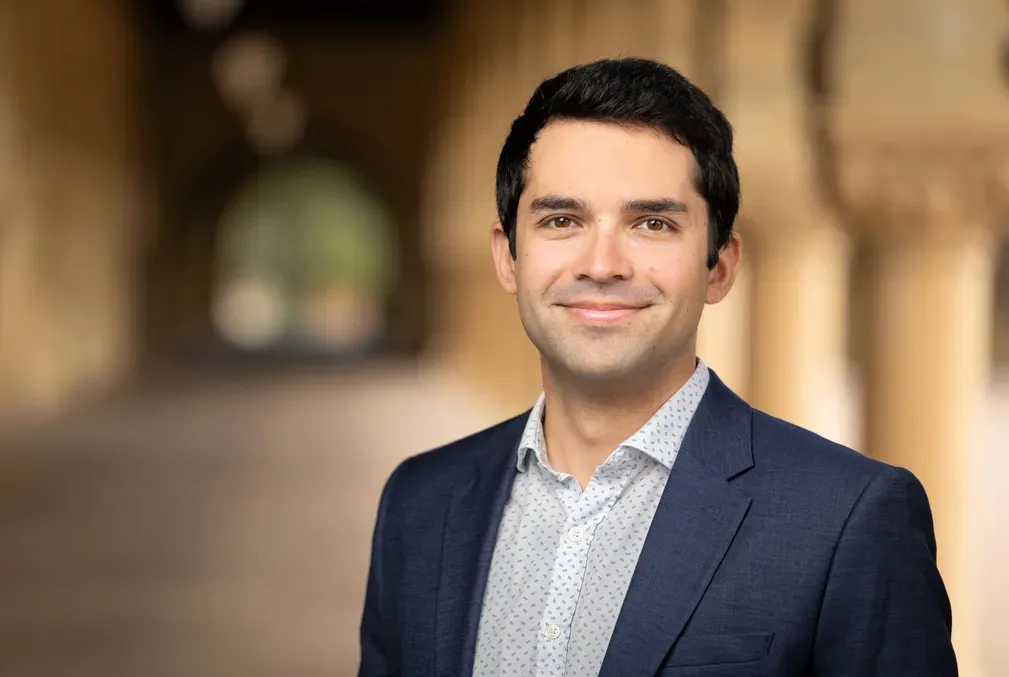
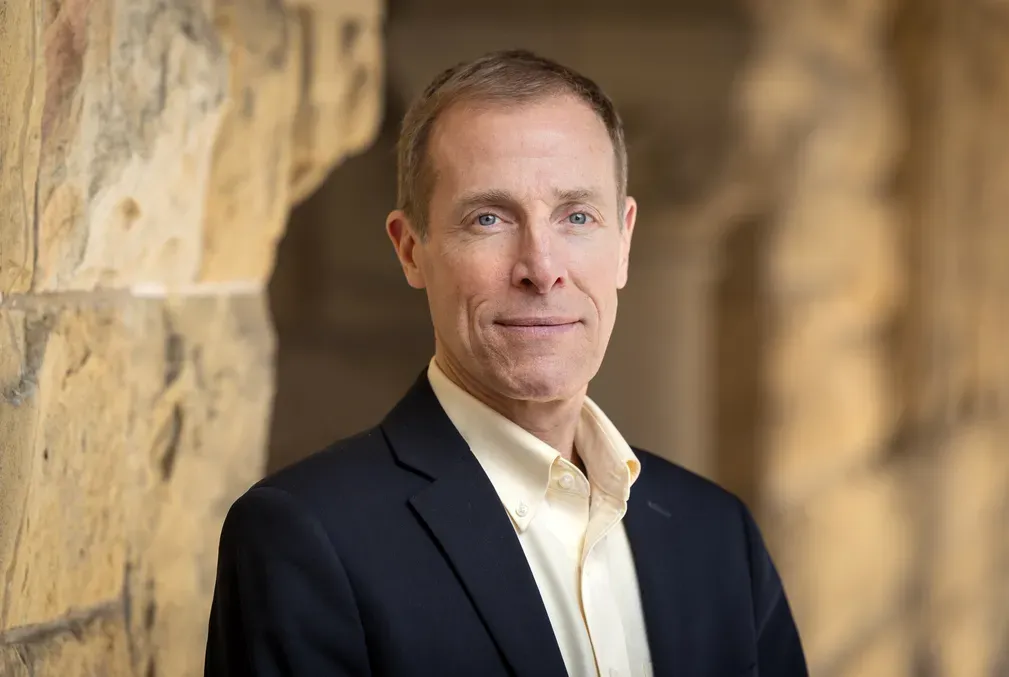
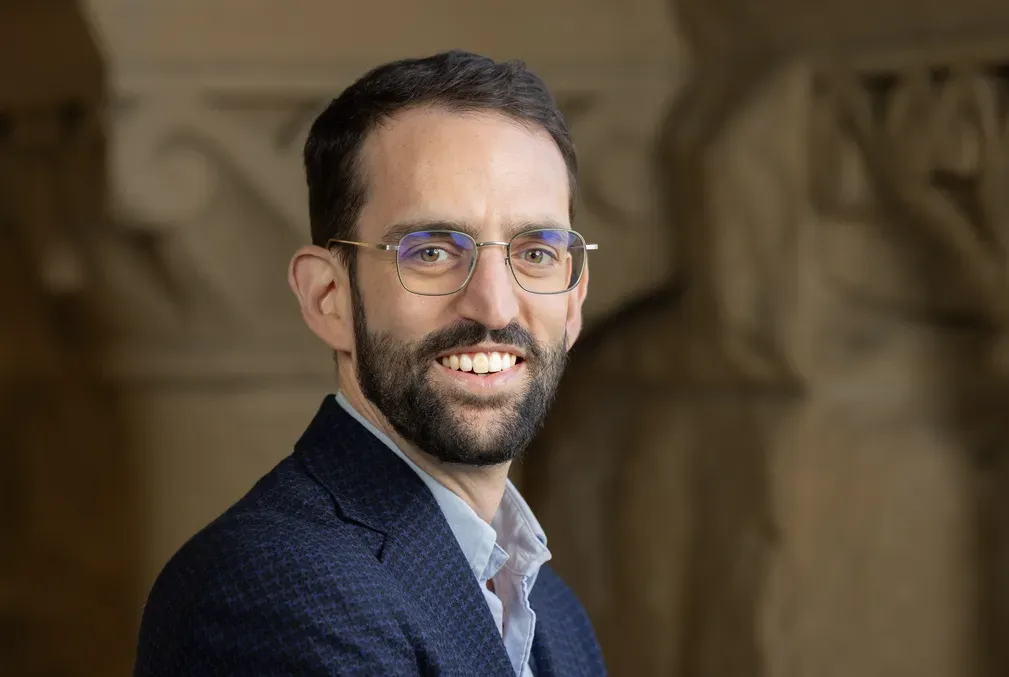
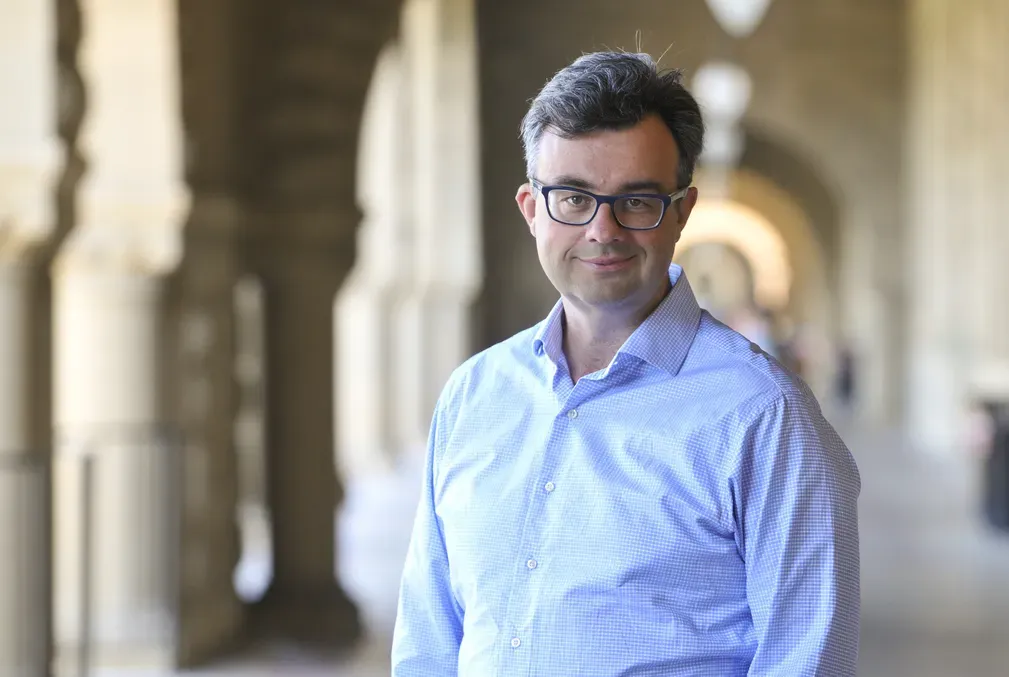
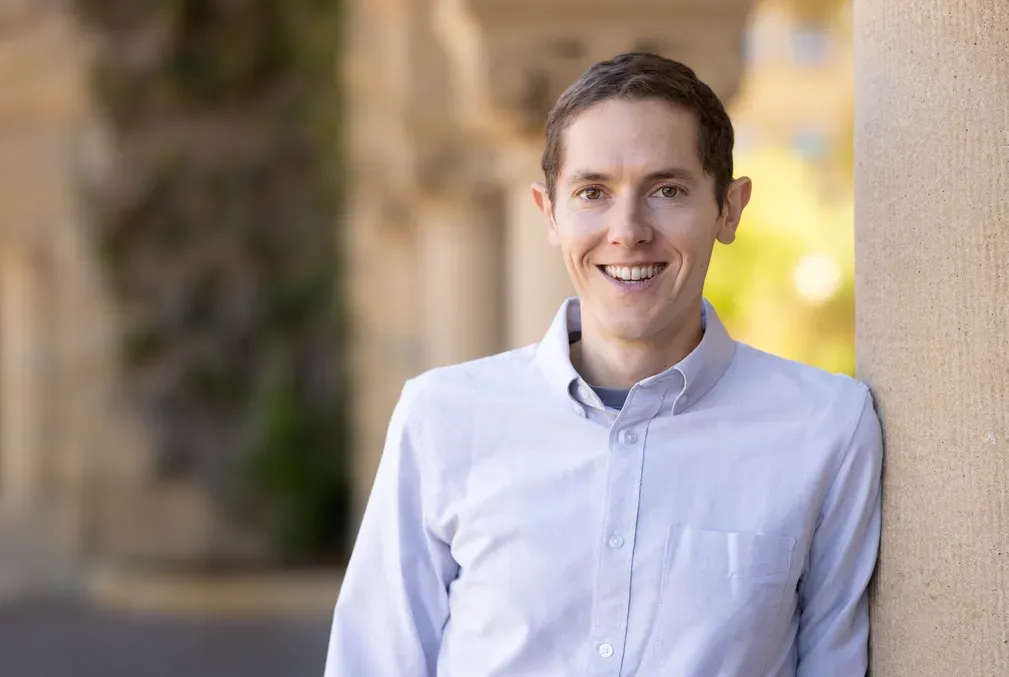
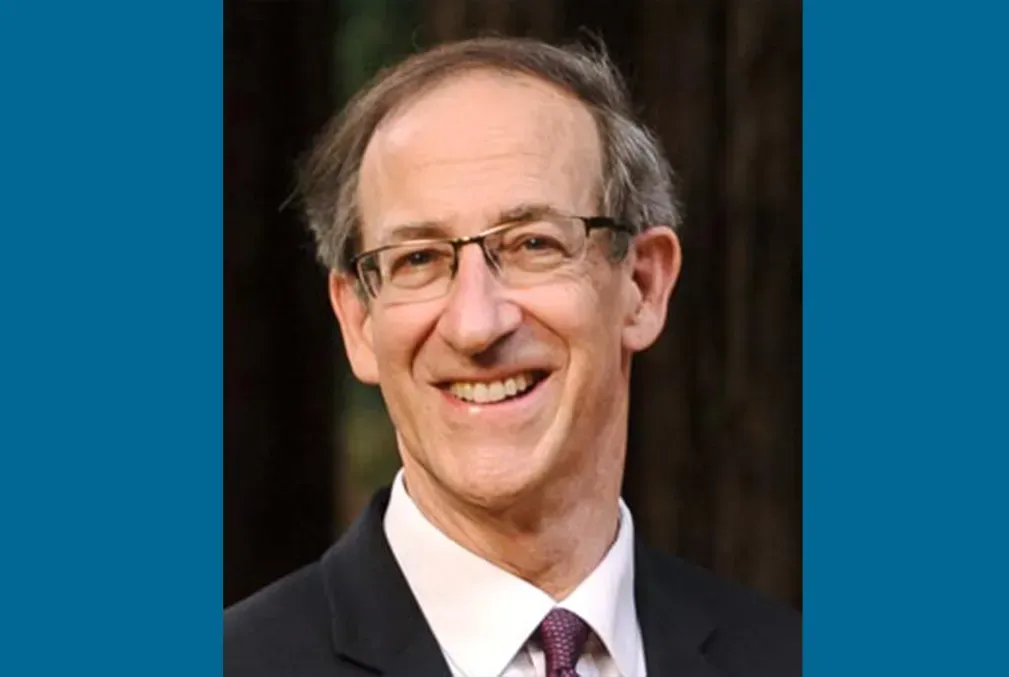
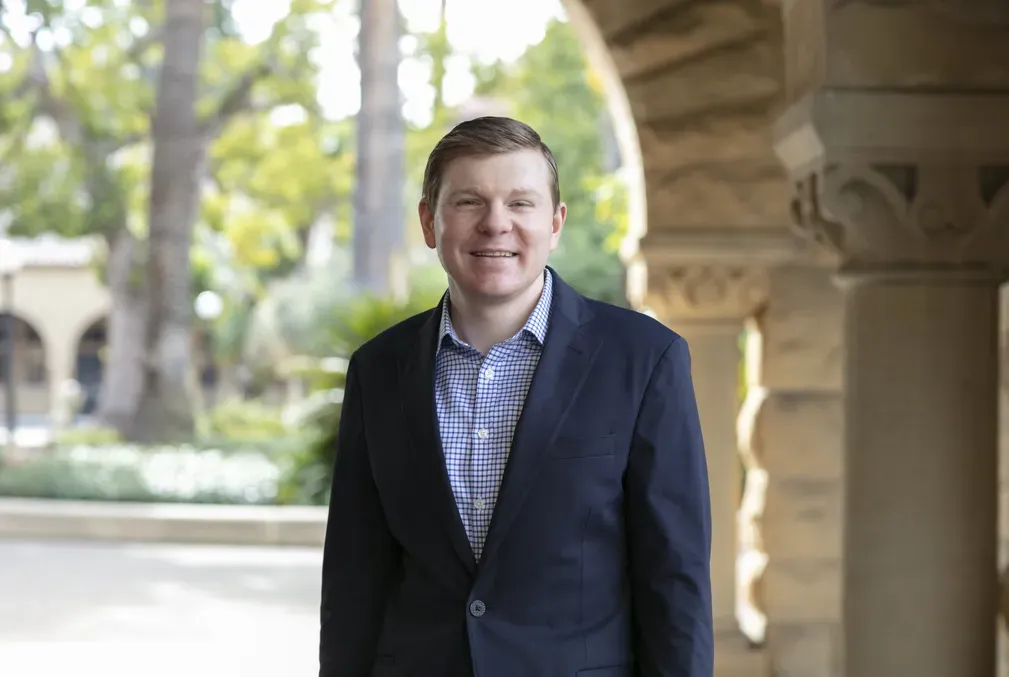
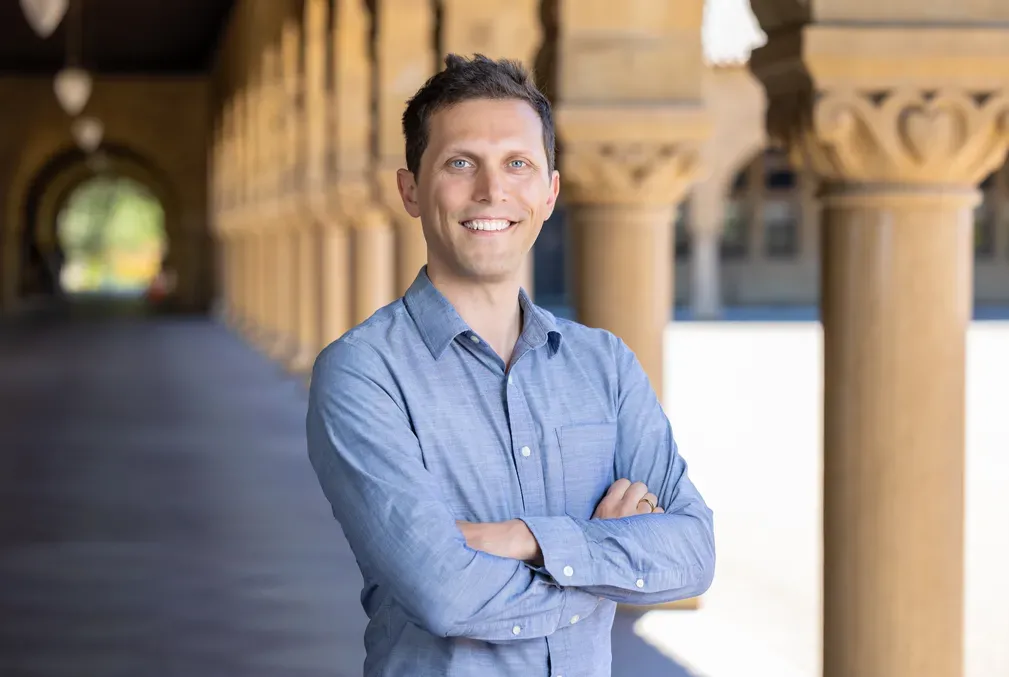
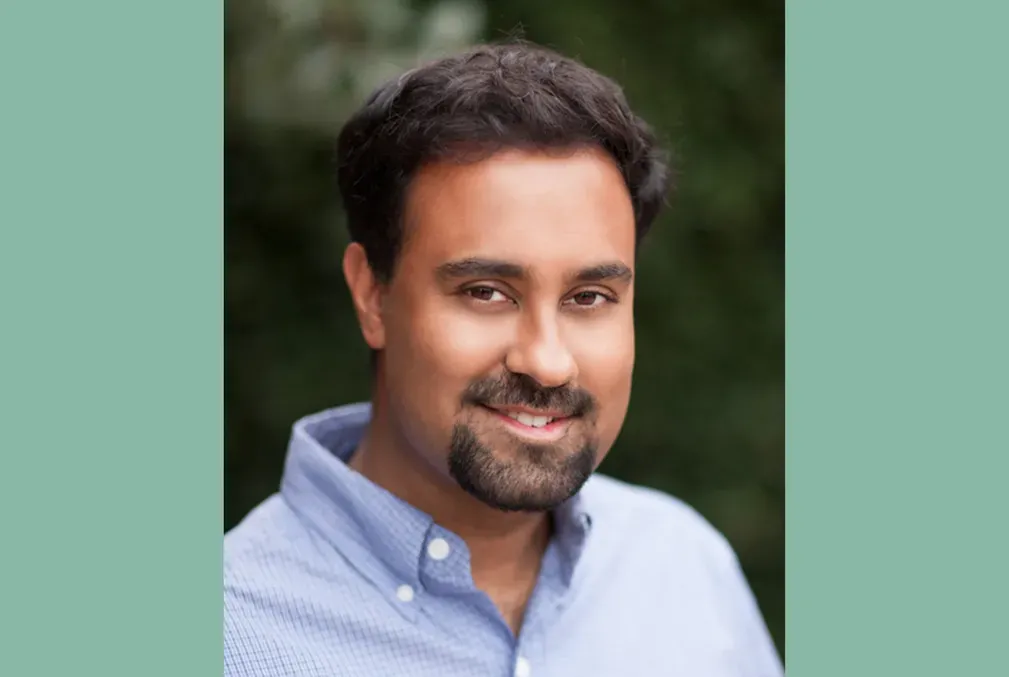
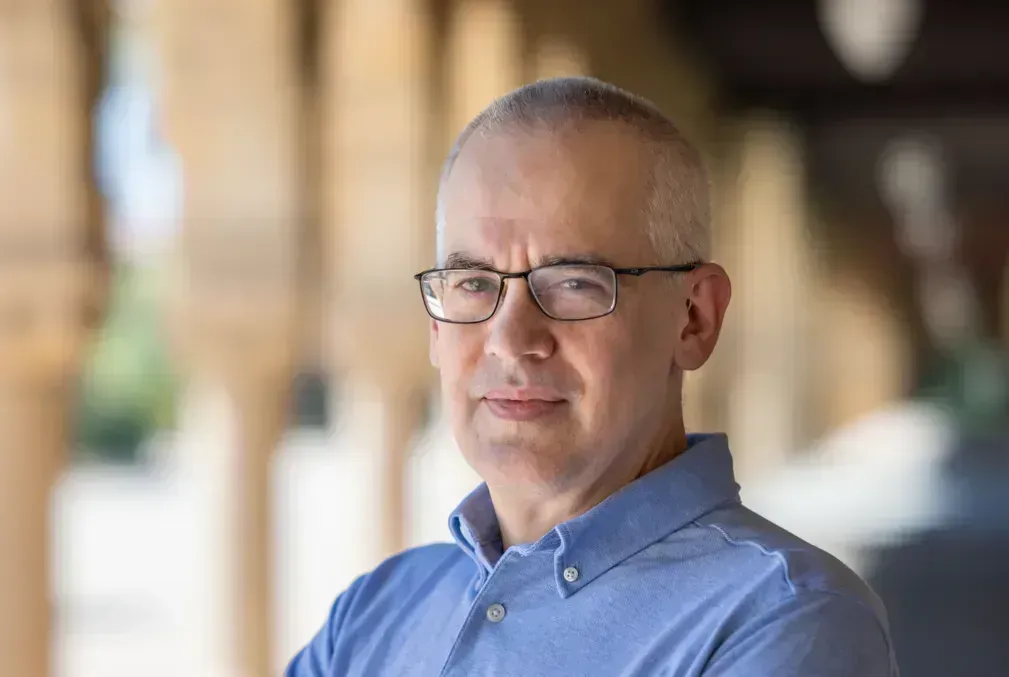
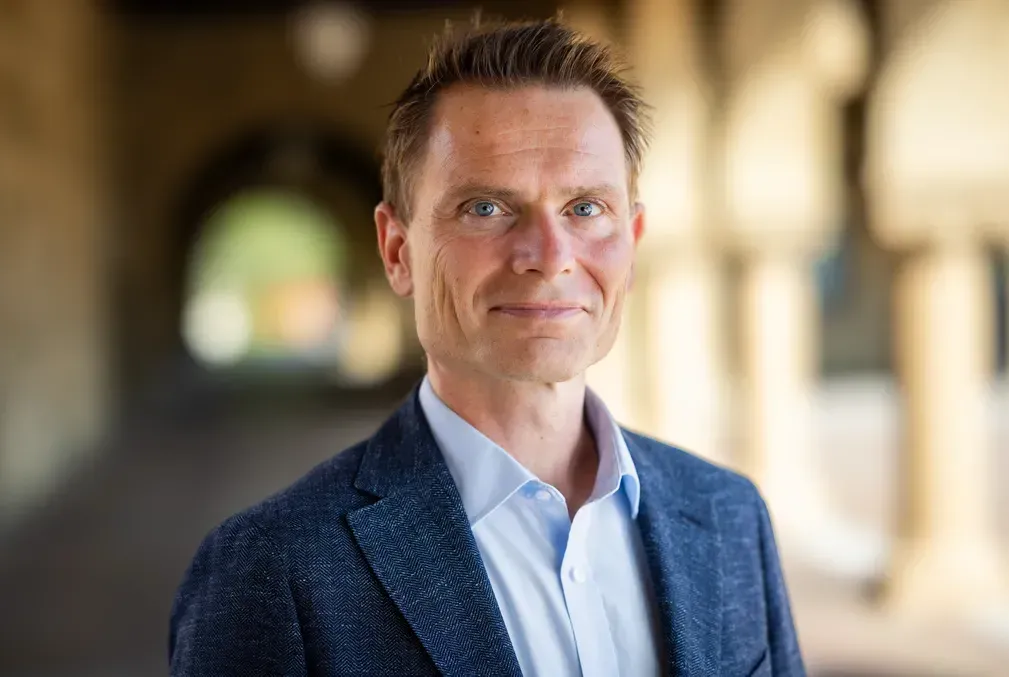
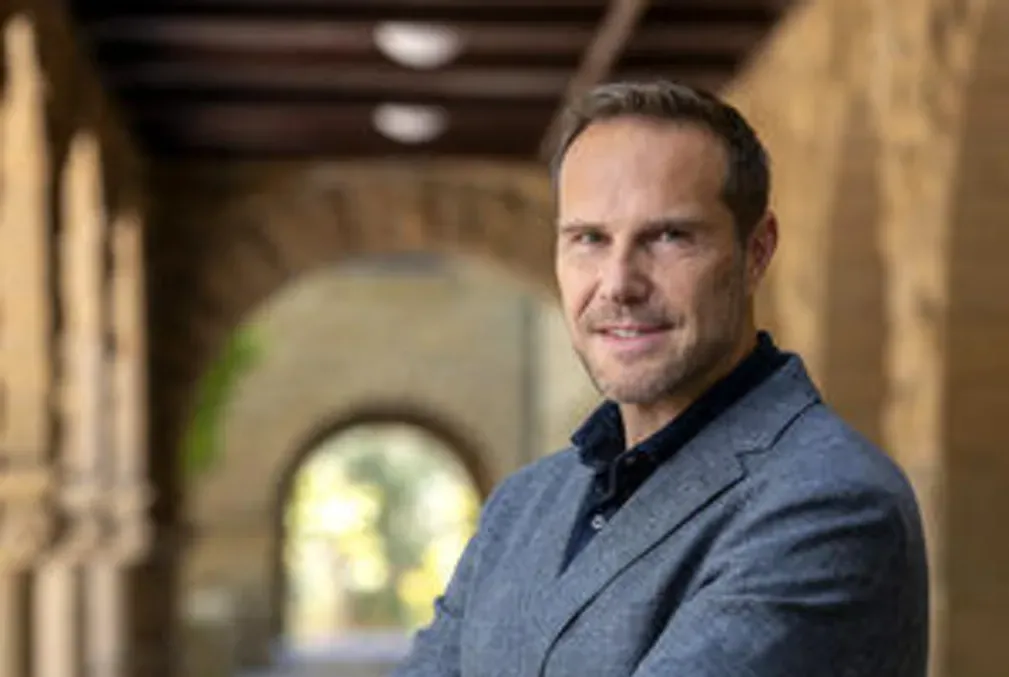
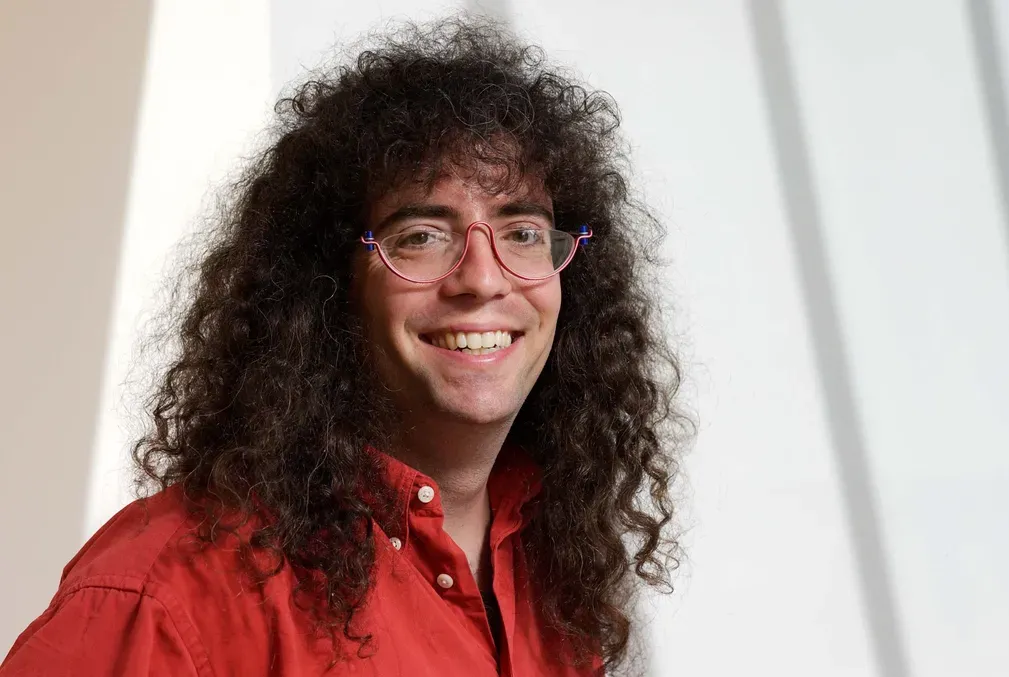
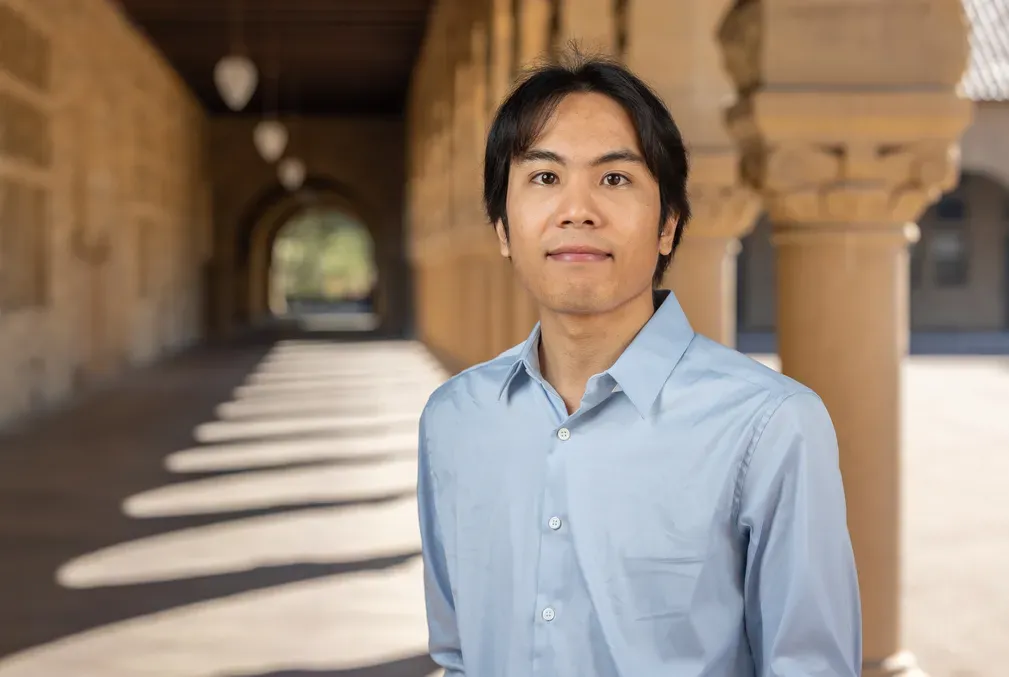
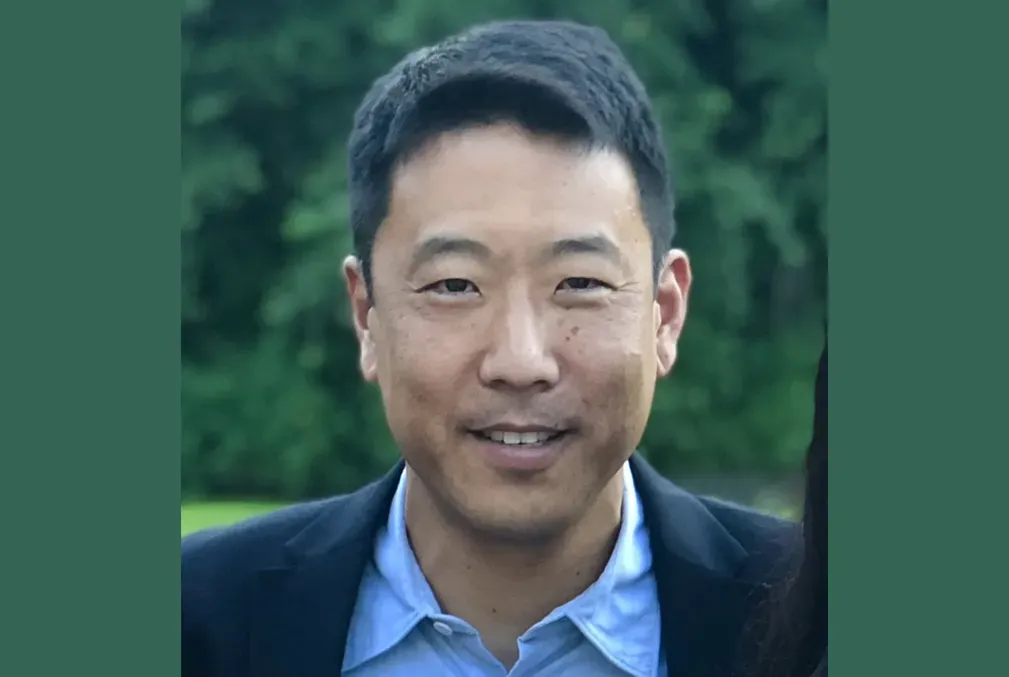
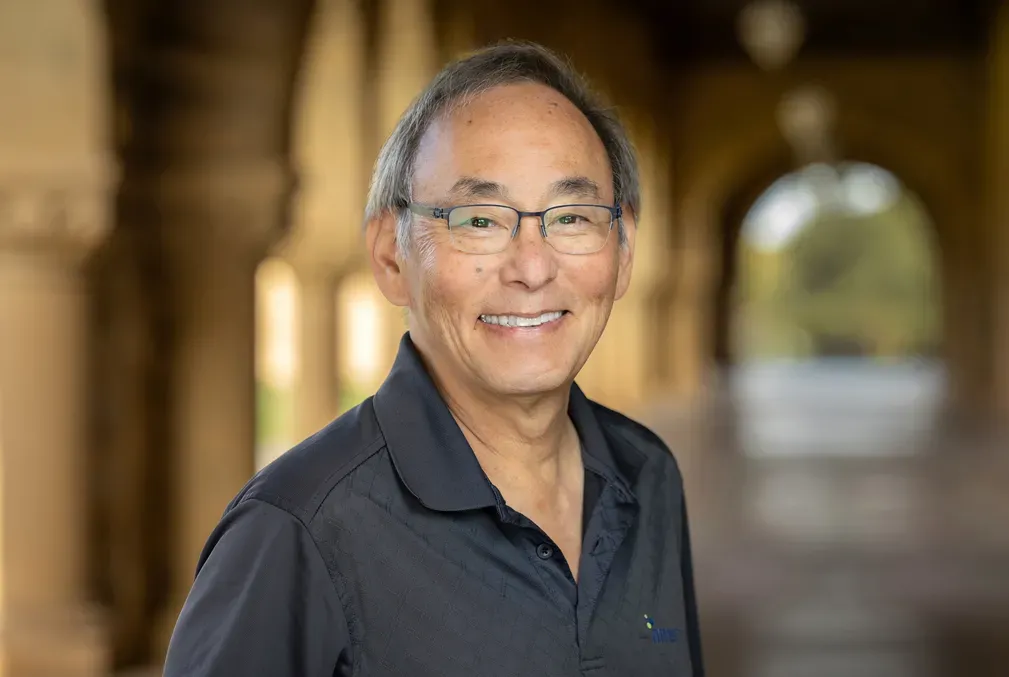
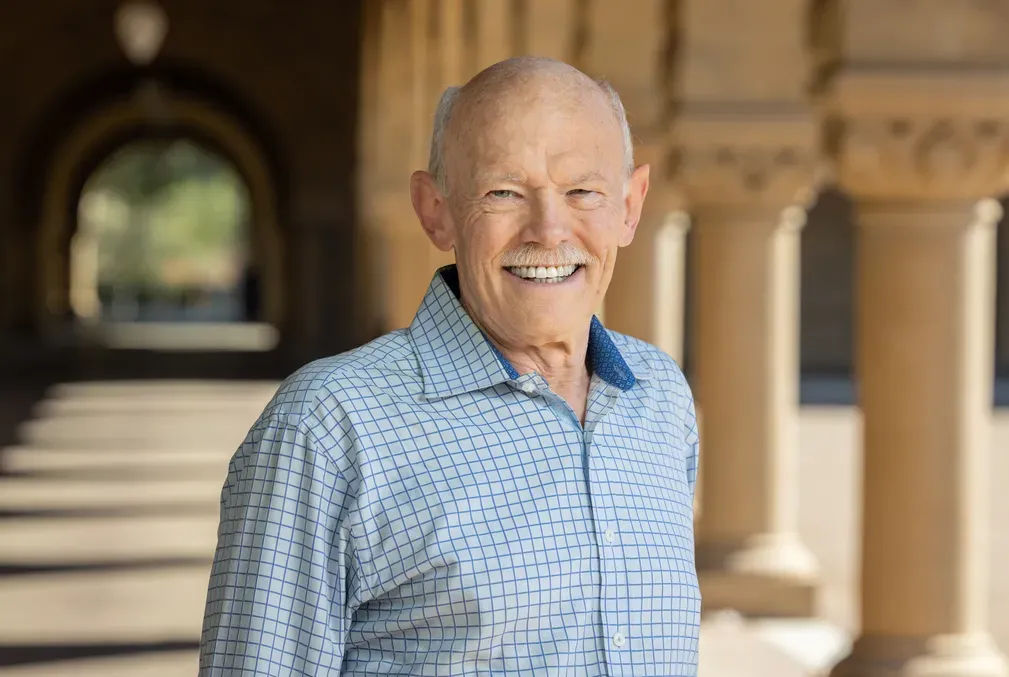
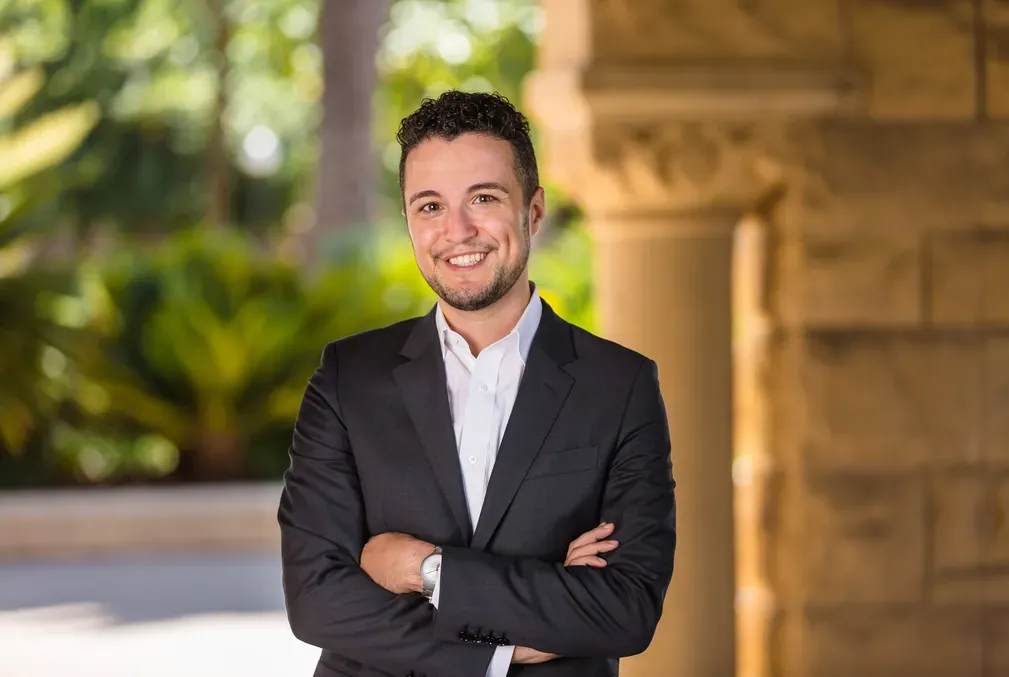
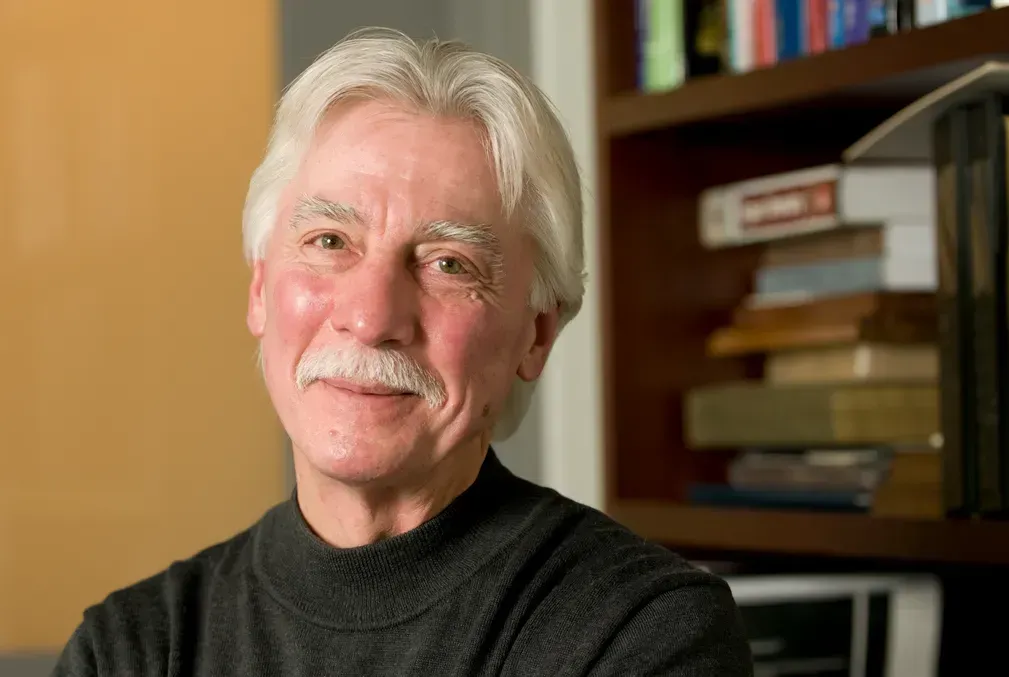
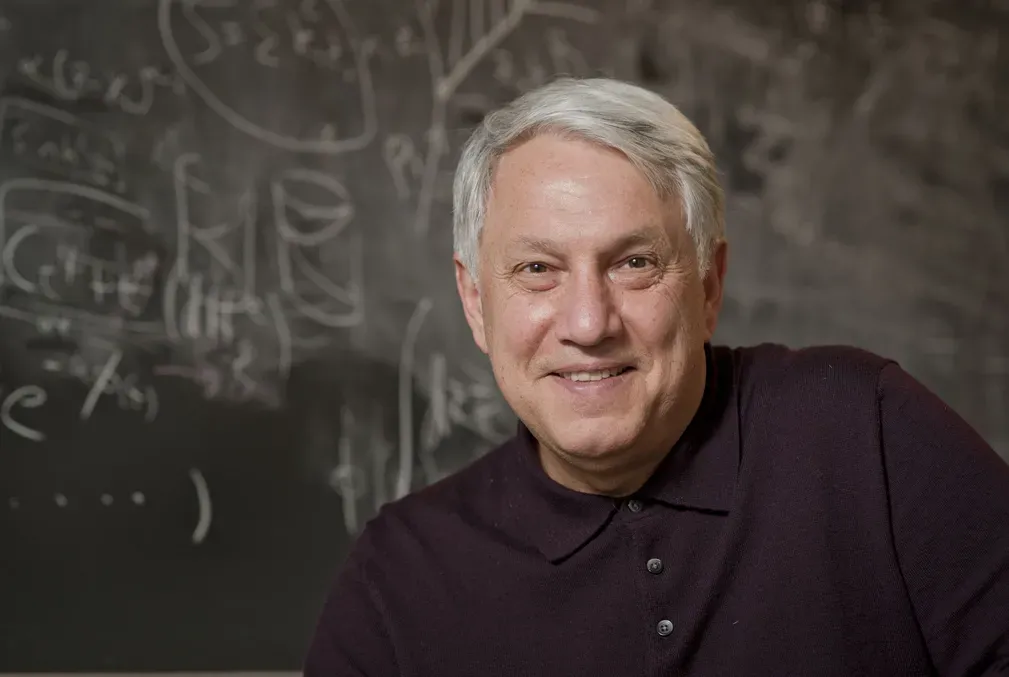
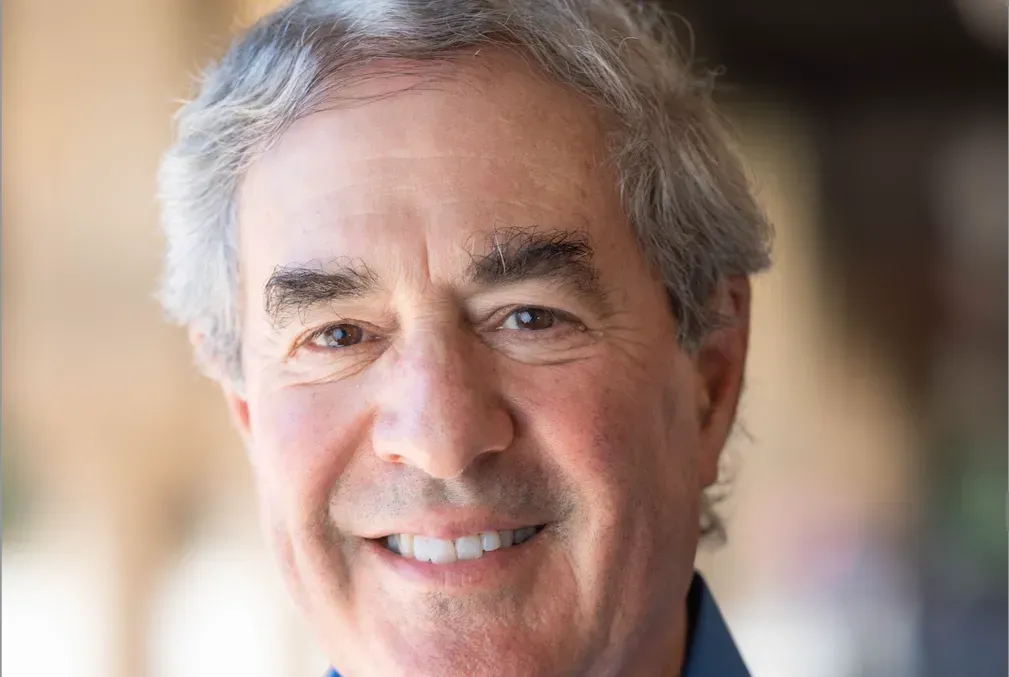
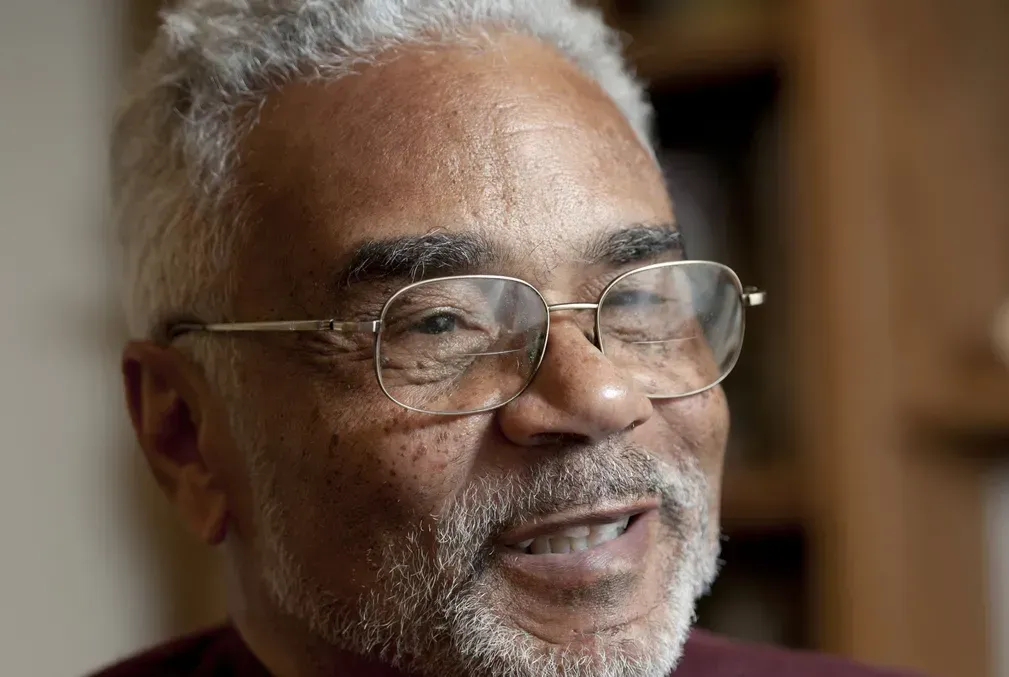
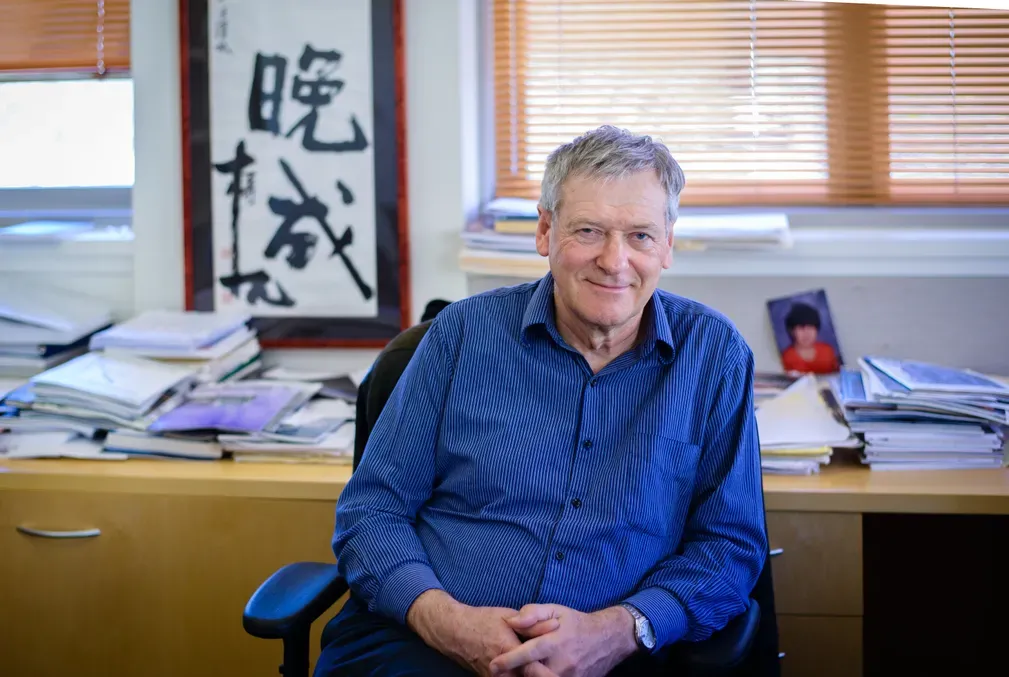
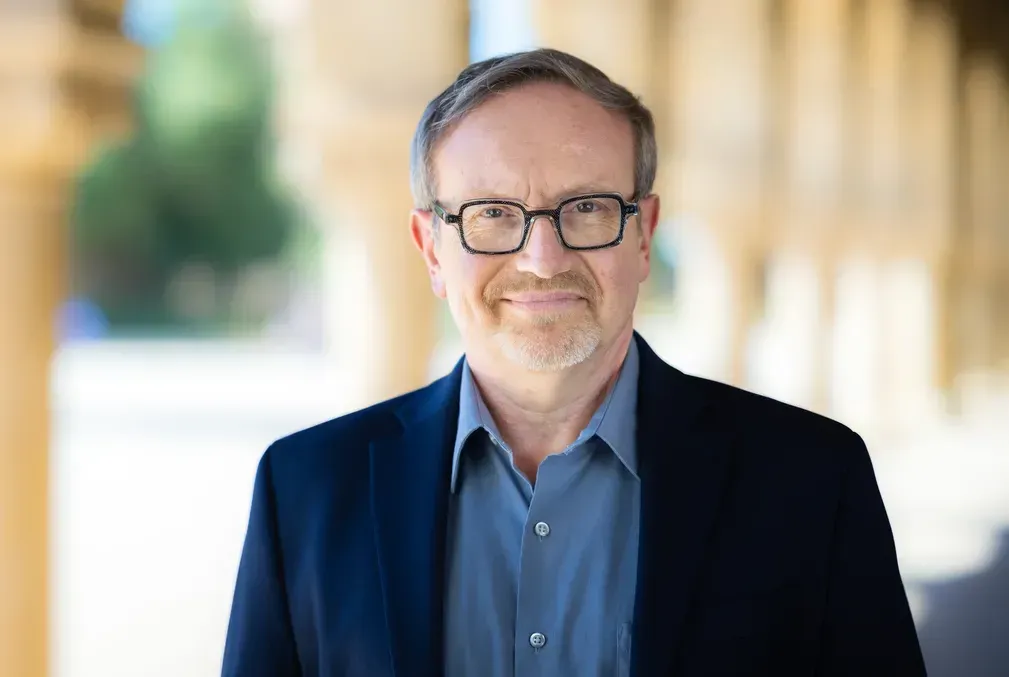
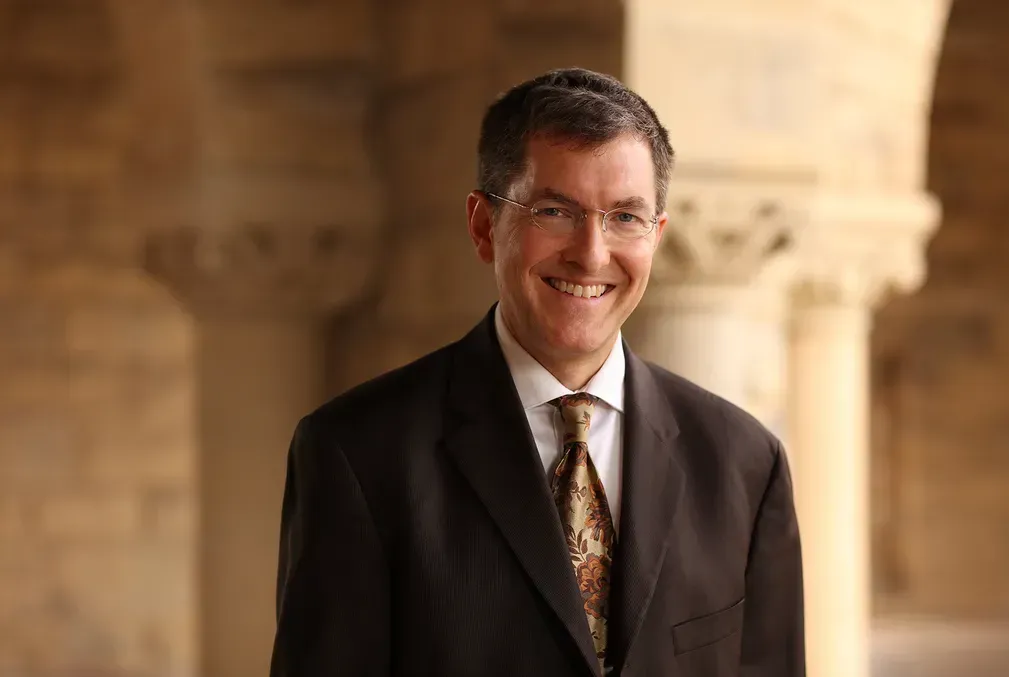
Ran Abramitzky is the Stanford Federal Credit Union Professor, professor of economics, and senior associate dean for the social sciences in H&S. He is also a senior fellow at the Stanford Institute for Economic Policy Research (SIEPR).
Abramitzky’s Guggenheim project brings new data and a long-run perspective to the American Dream. It follows immigrant and U.S.-born families across generations to understand who moves up the economic ladder, who is left behind, and why. Using linked census records, college data, and other historical sources, his research examines how family background, education, and institutions shape opportunity over time. It highlights both the strong mobility of many immigrants’ children and the persistent barriers facing low- and middle-income Americans. More broadly, it seeks to identify barriers to economic opportunity and inform policies that expand access to higher education and make upward mobility more broadly attainable.
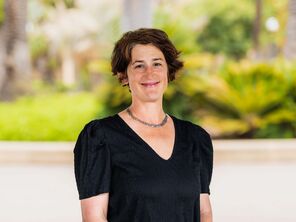
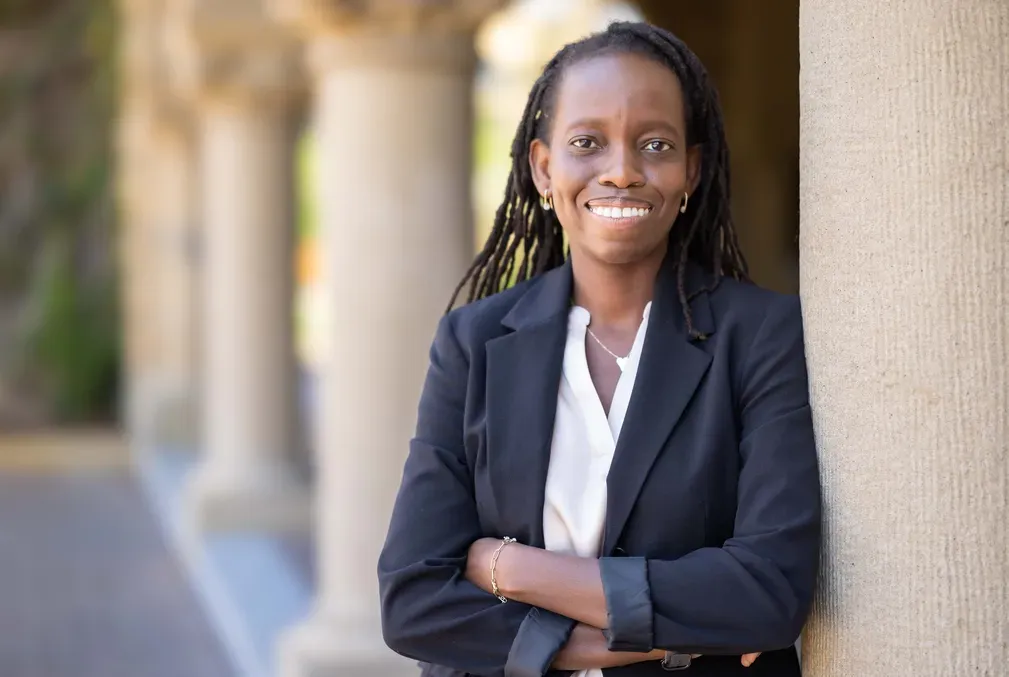
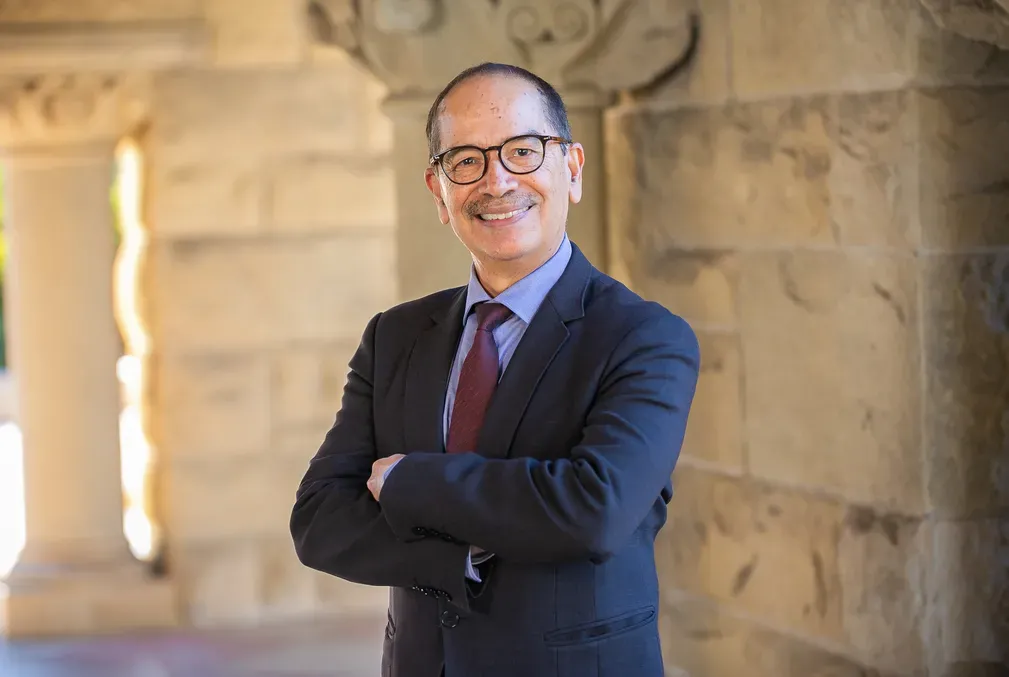
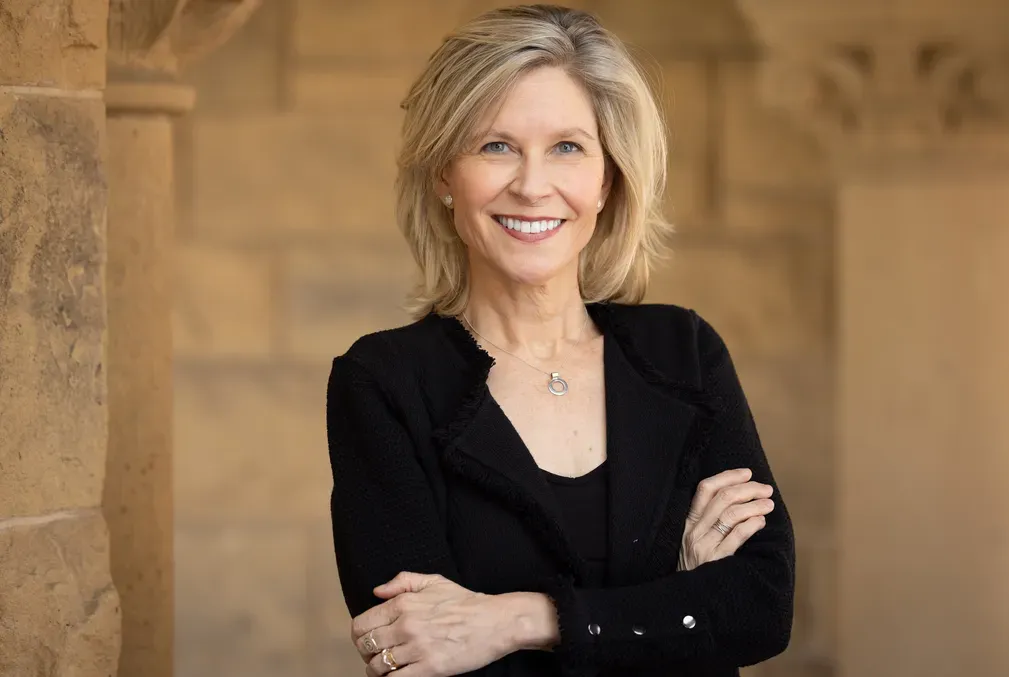
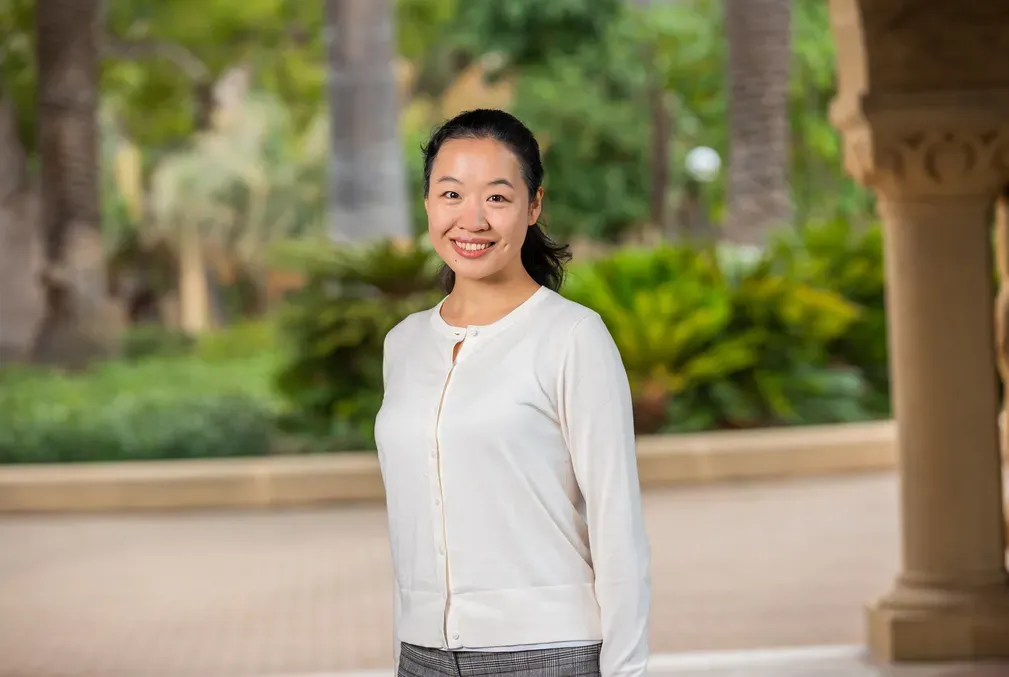
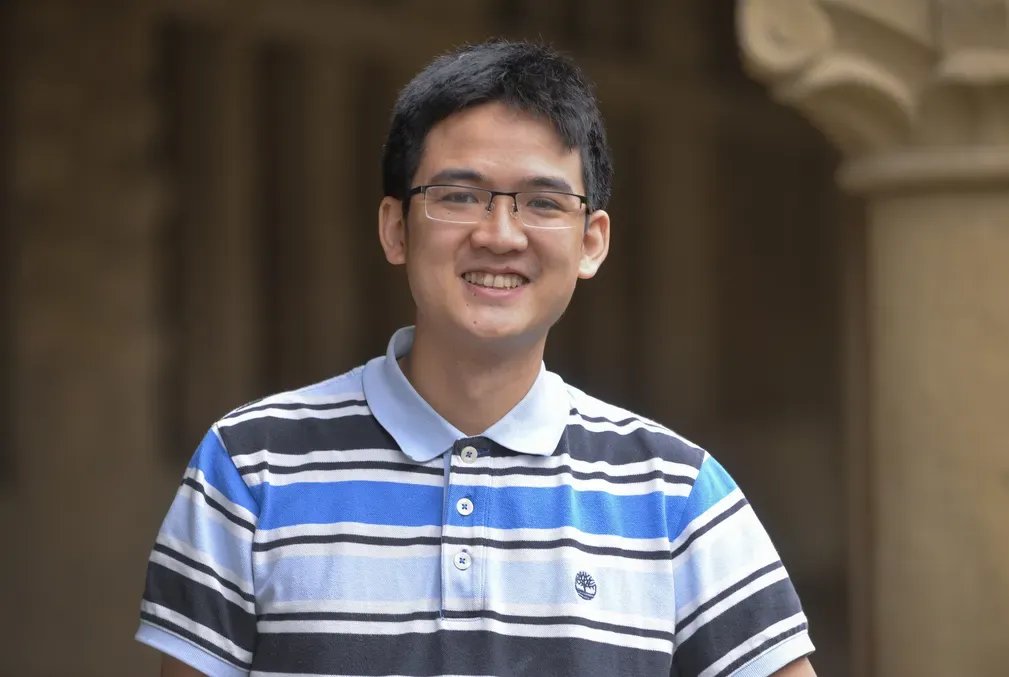
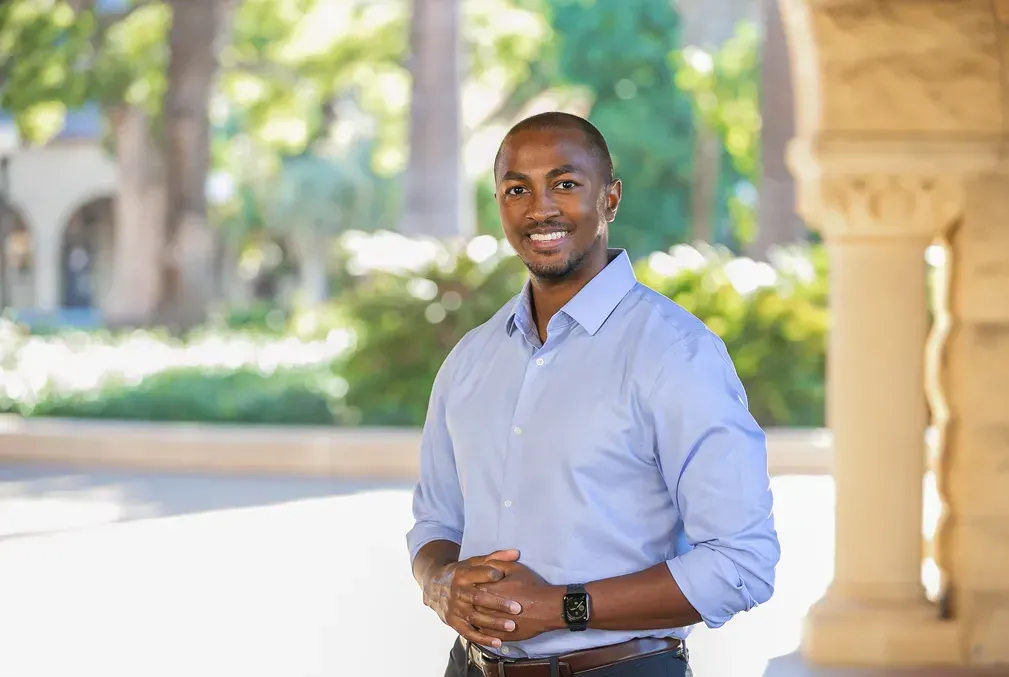
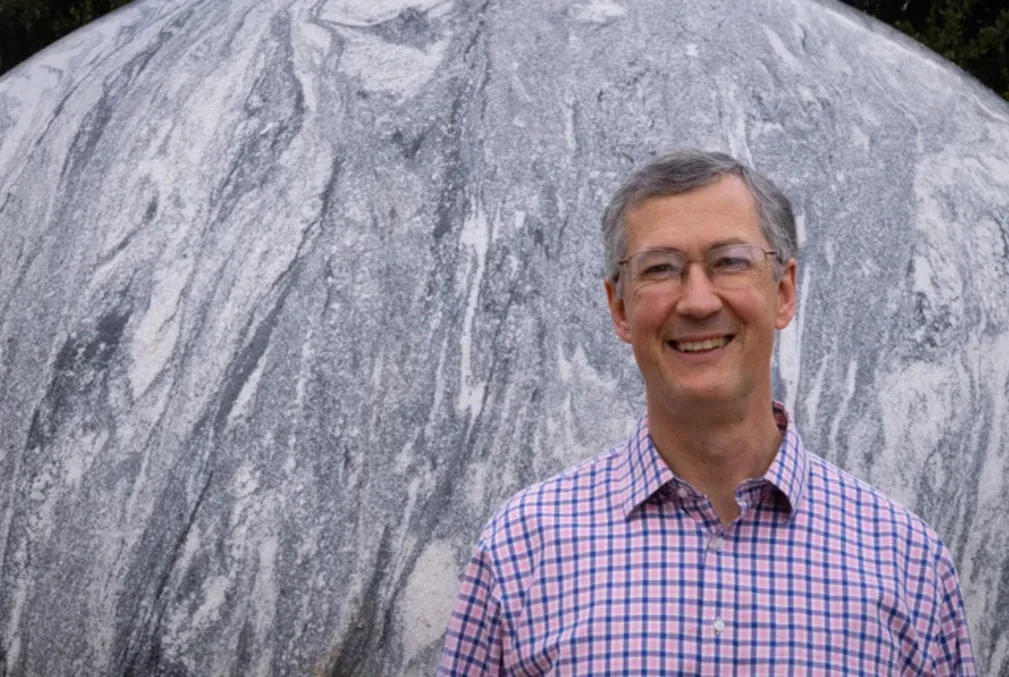
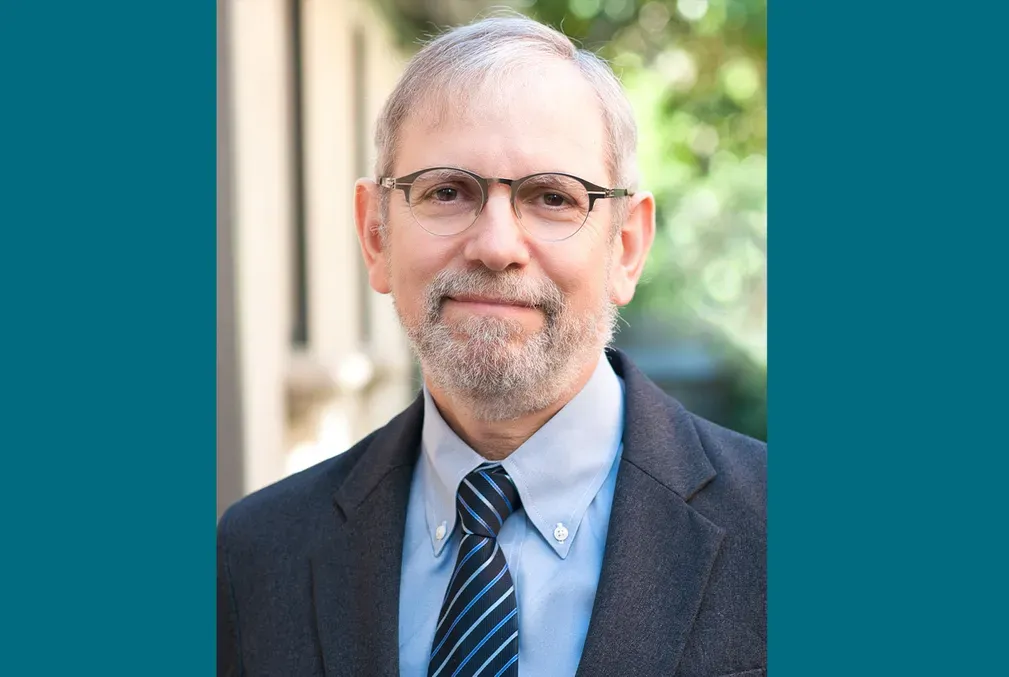
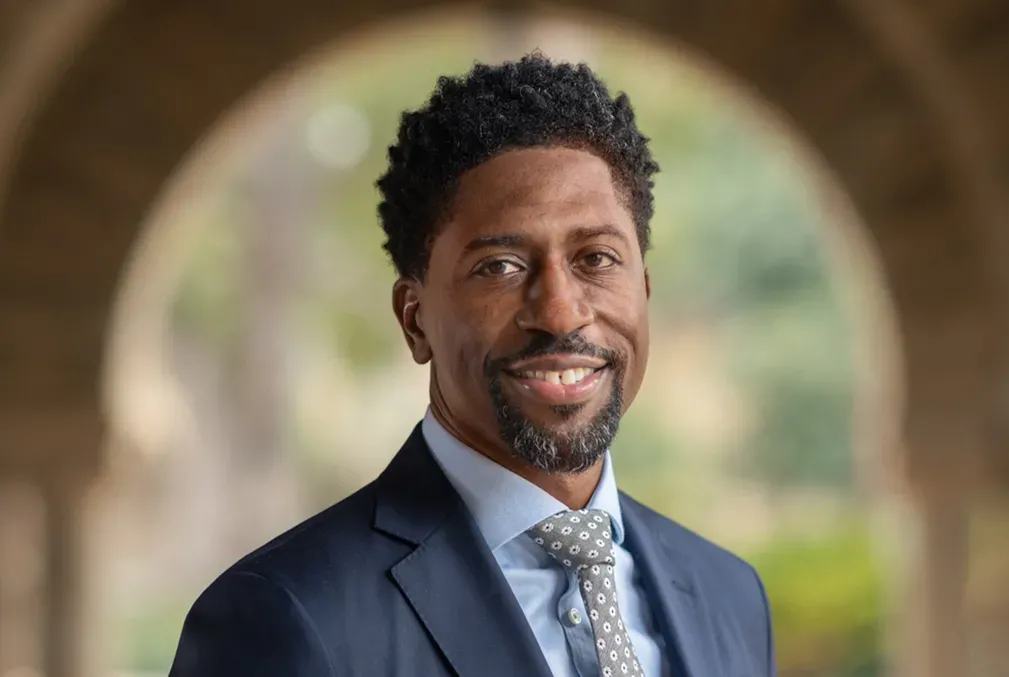
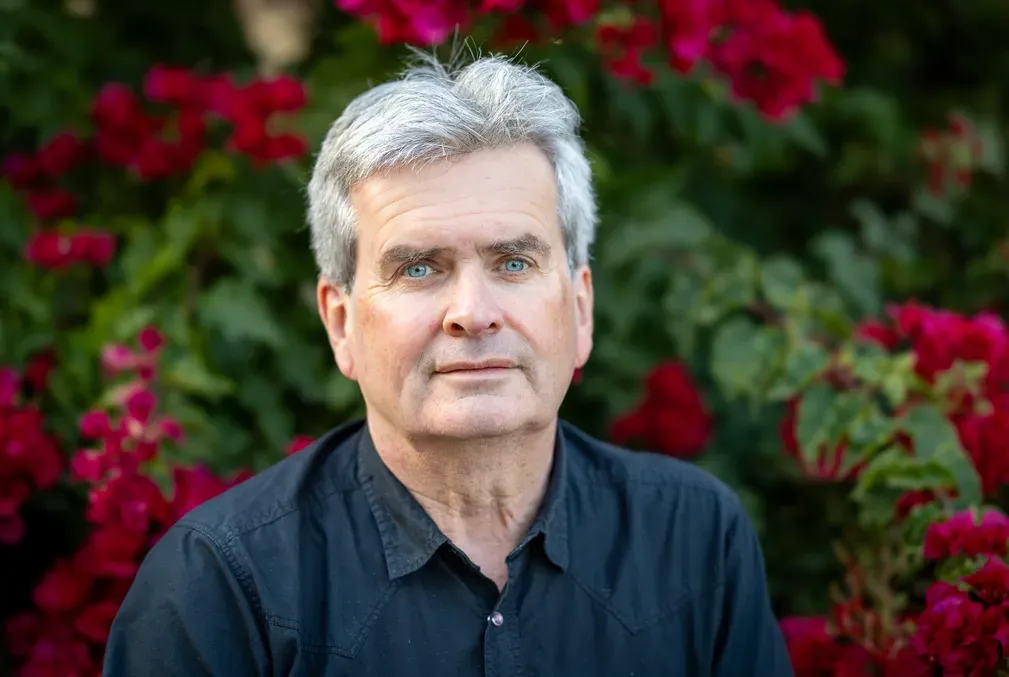
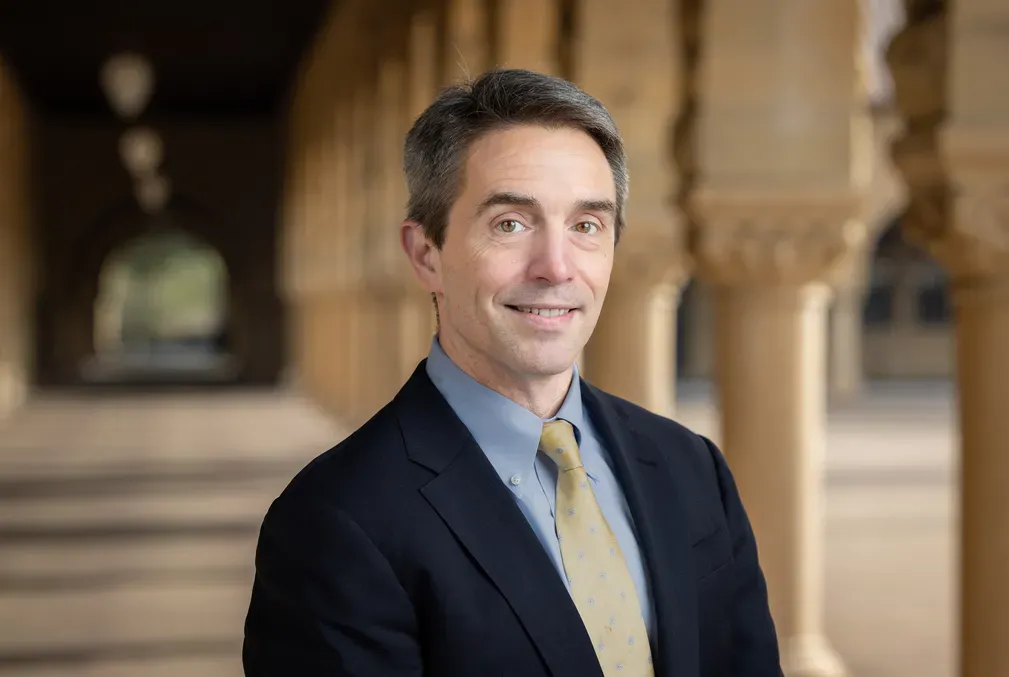
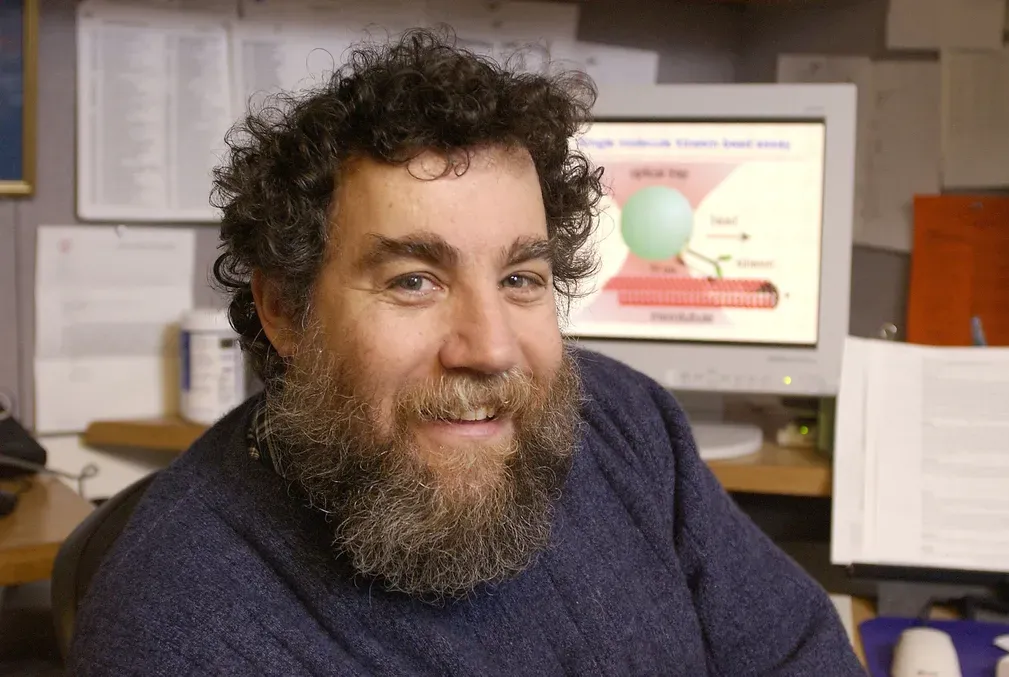
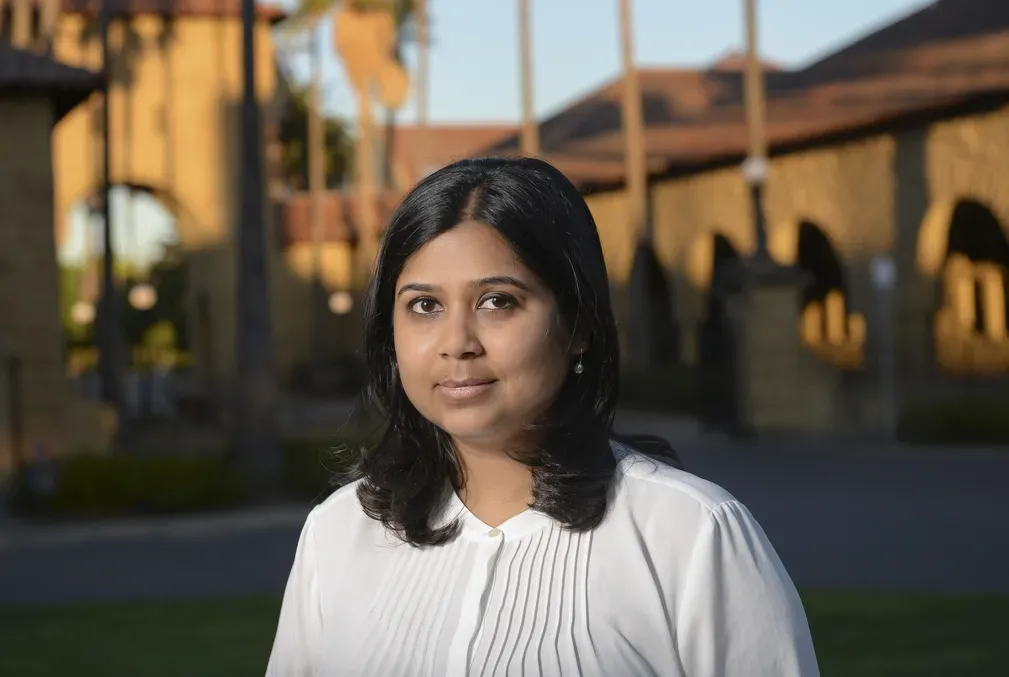
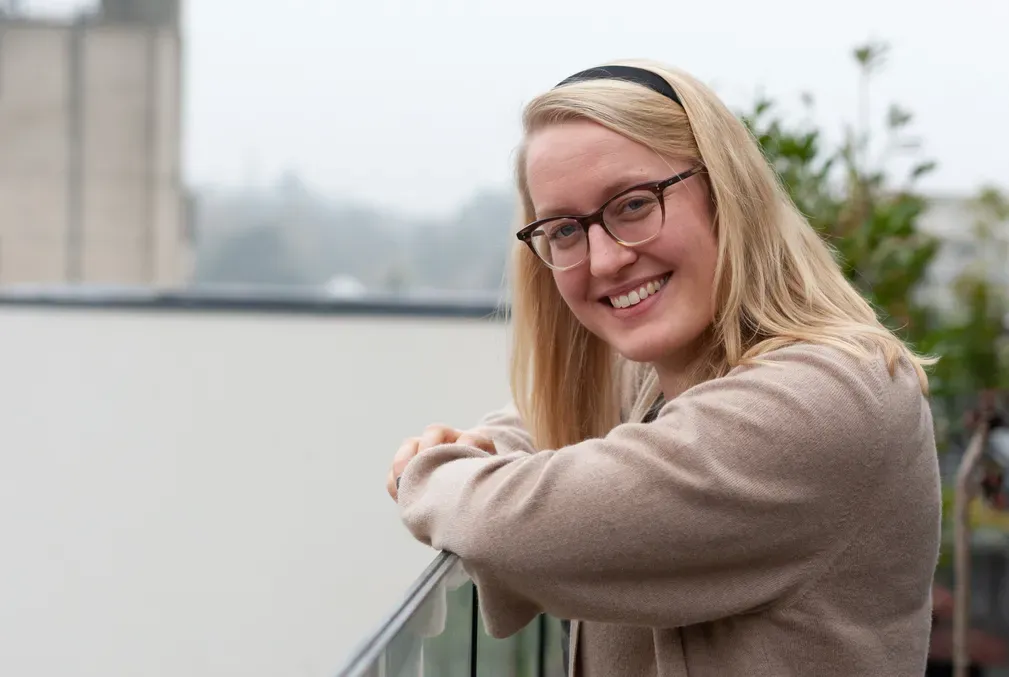
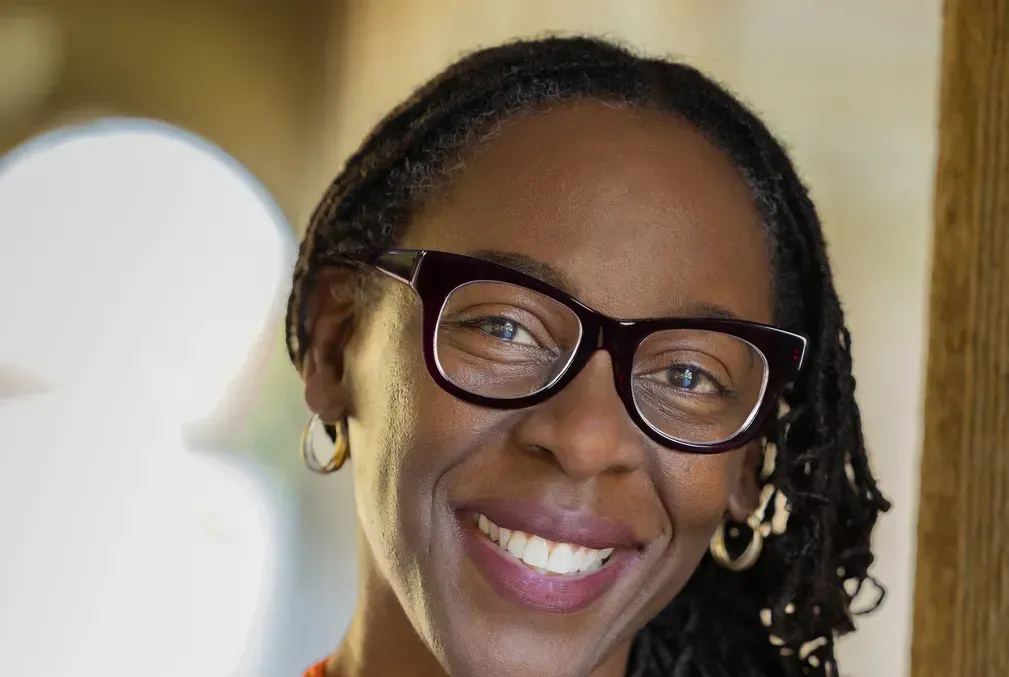
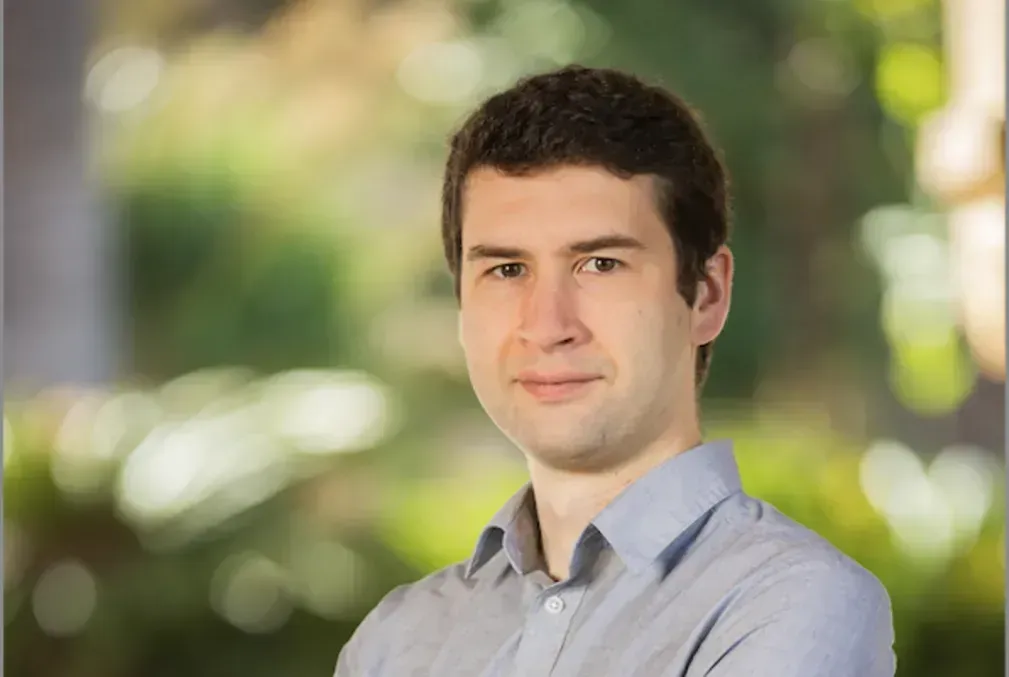
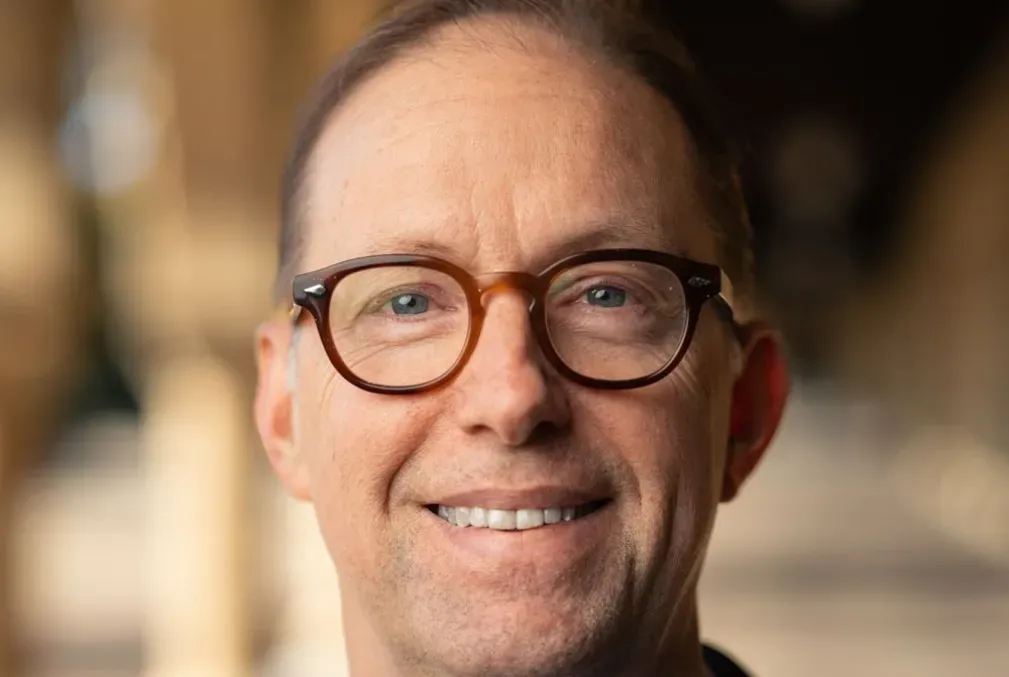
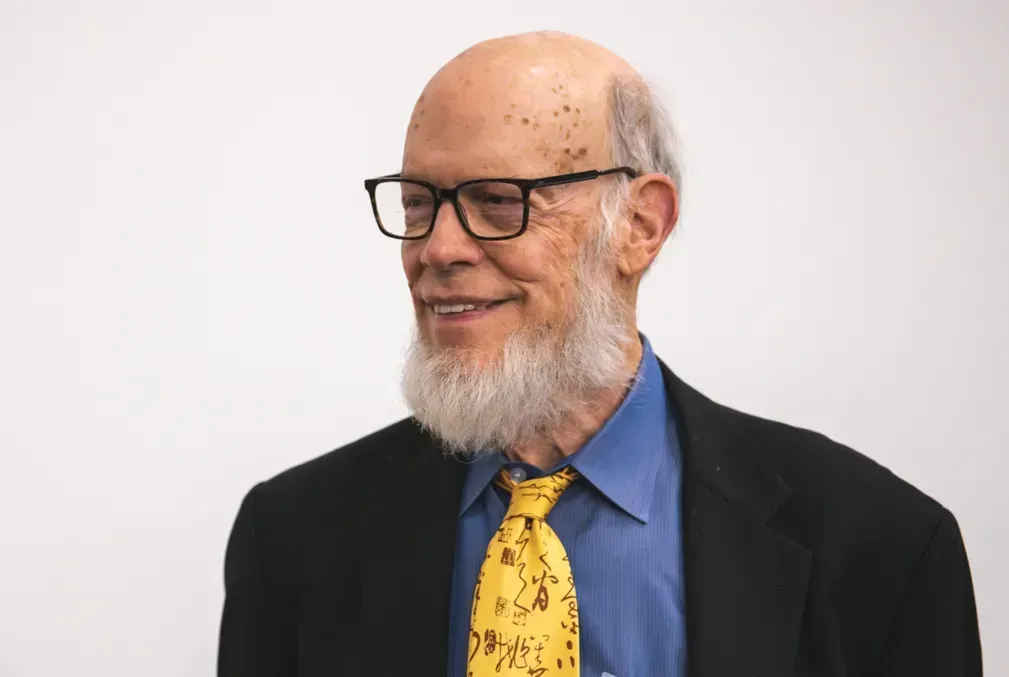
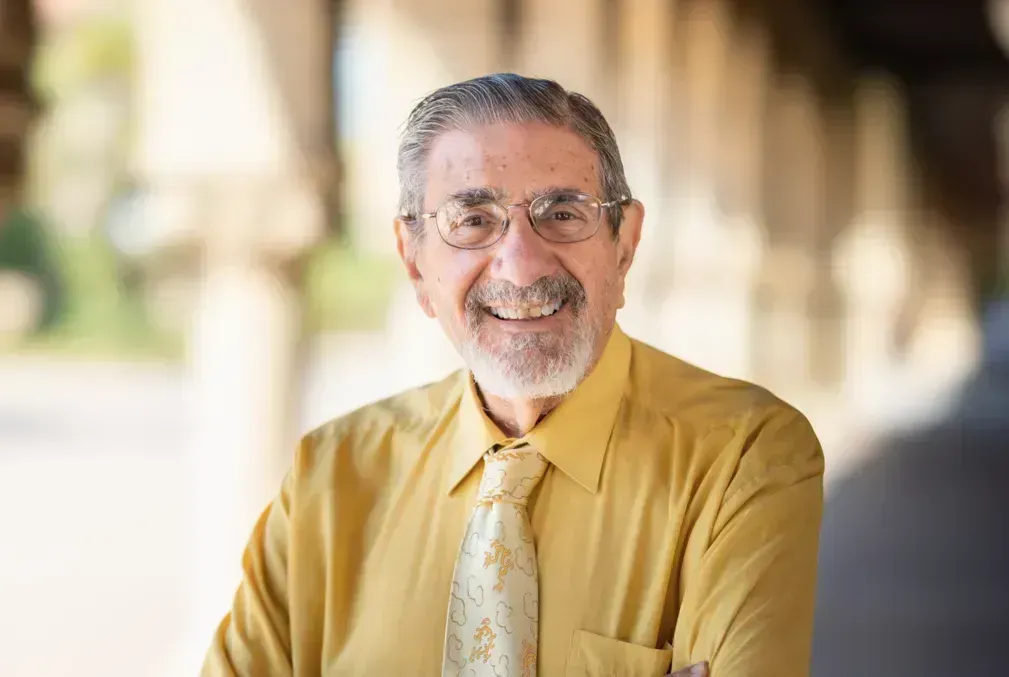
Joel Cabrita is a professor of history and of African and African American Studies and director of the Center for African Studies in H&S.
Cabrita’s research investigates the CIA’s covert role in apartheid South Africa, centering on Nelson Mandela’s 1962 arrest, which was reportedly enabled by a tip from an evangelical Christian missionary turned CIA operative. Drawing on missionary archives, state records, and interviews, her work aims to reveal how U.S. intelligence recruited evangelical missionaries whose linguistic fluency and fervent anticommunism enabled deep collaboration with the apartheid regime. Mandela’s capture thus emerges as part of a wider U.S.-led campaign to monitor and manipulate Black liberation movements. Blending archival research with her own personal experience, the book she plans to write uncovers how faith, family, and church networks became important instruments of surveillance and political control in Cold War Africa.
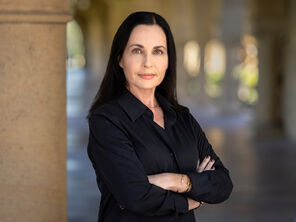
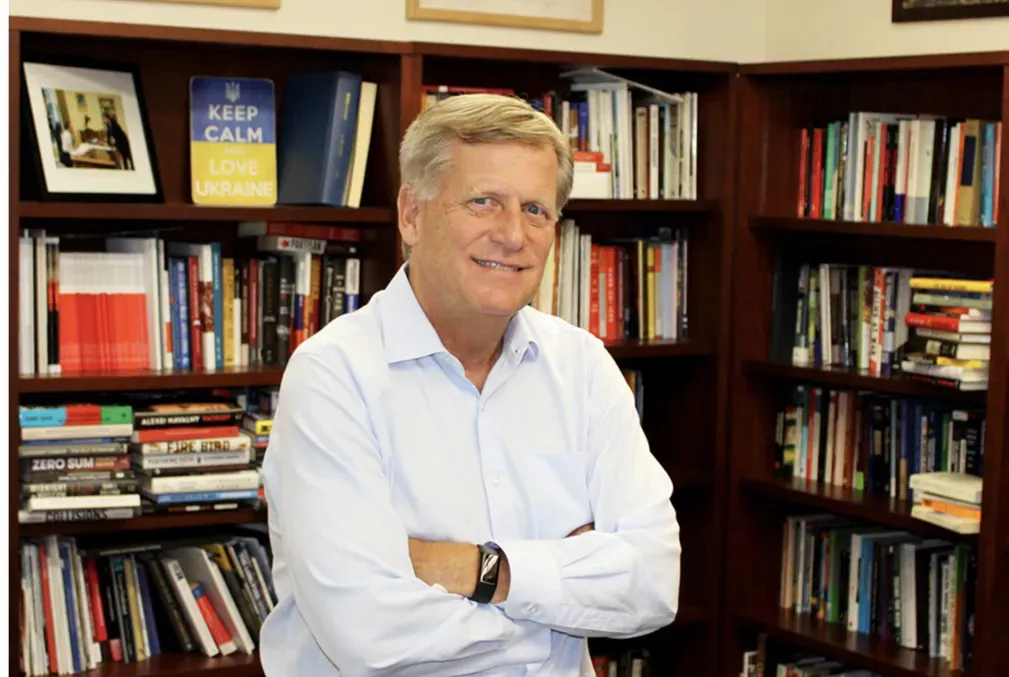
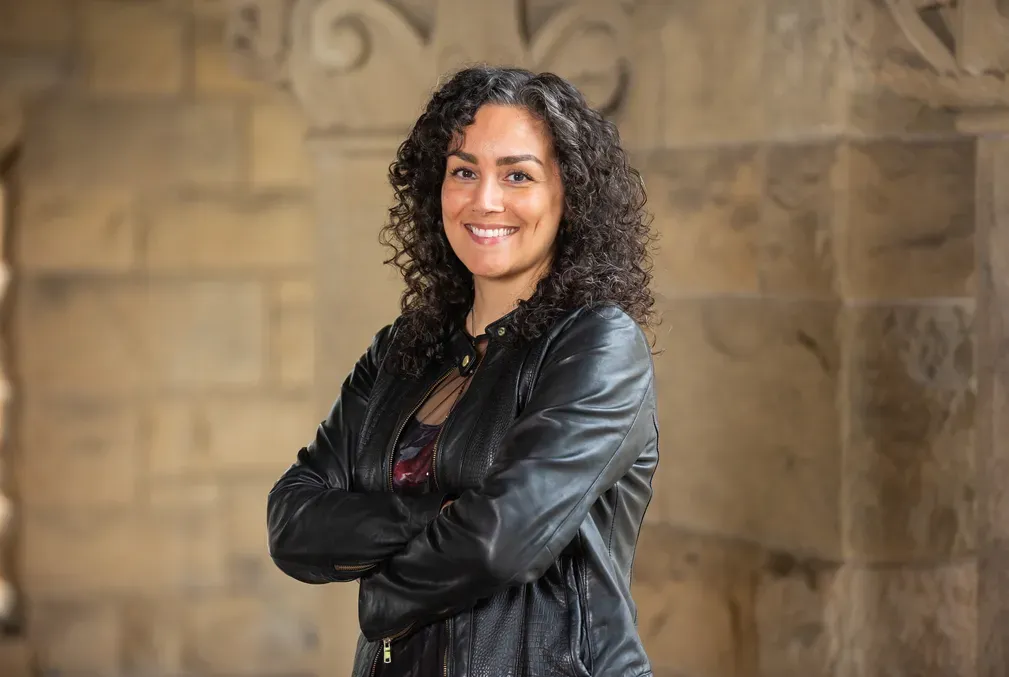
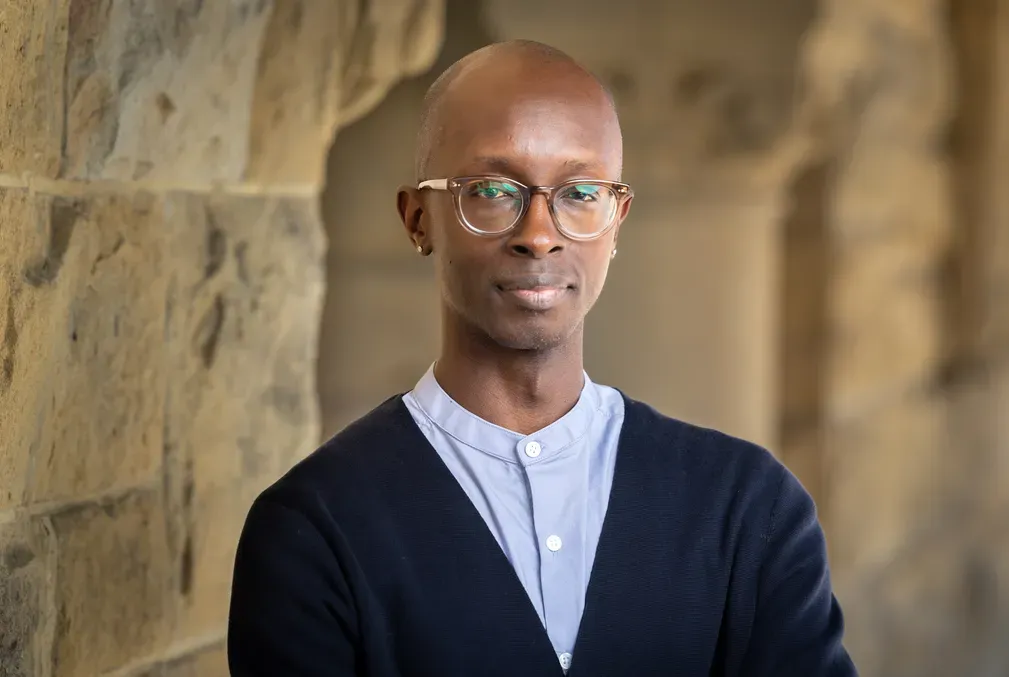
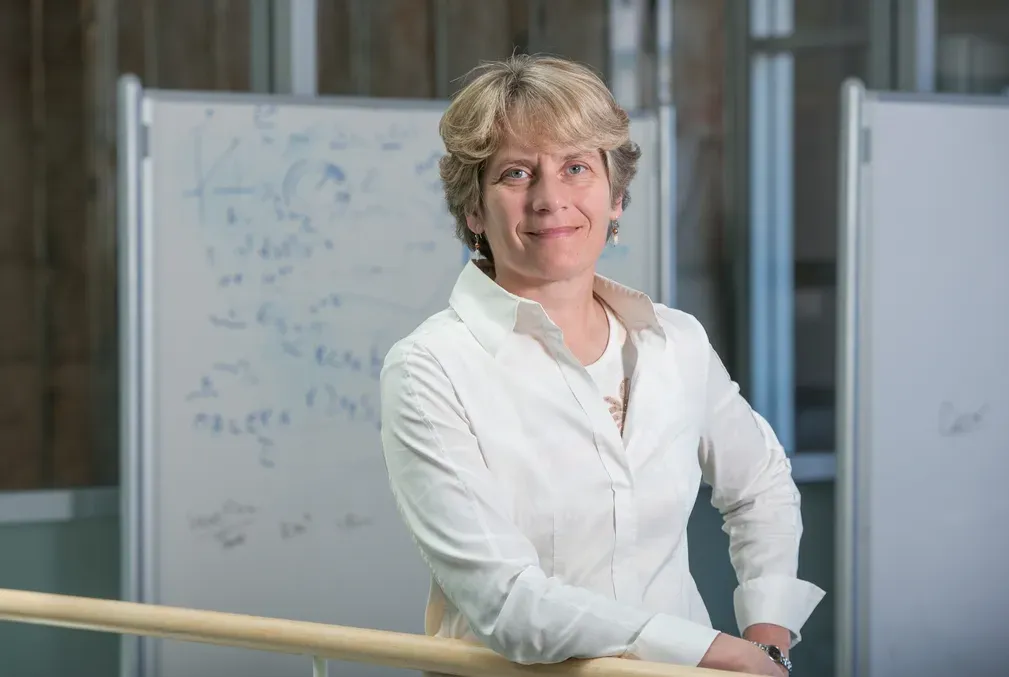
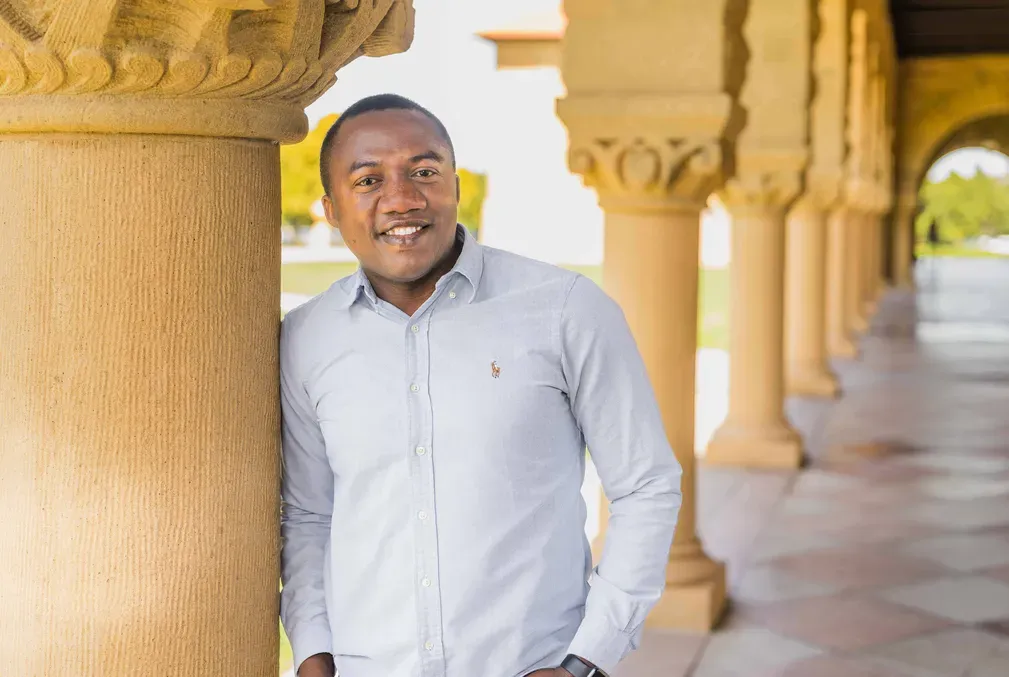
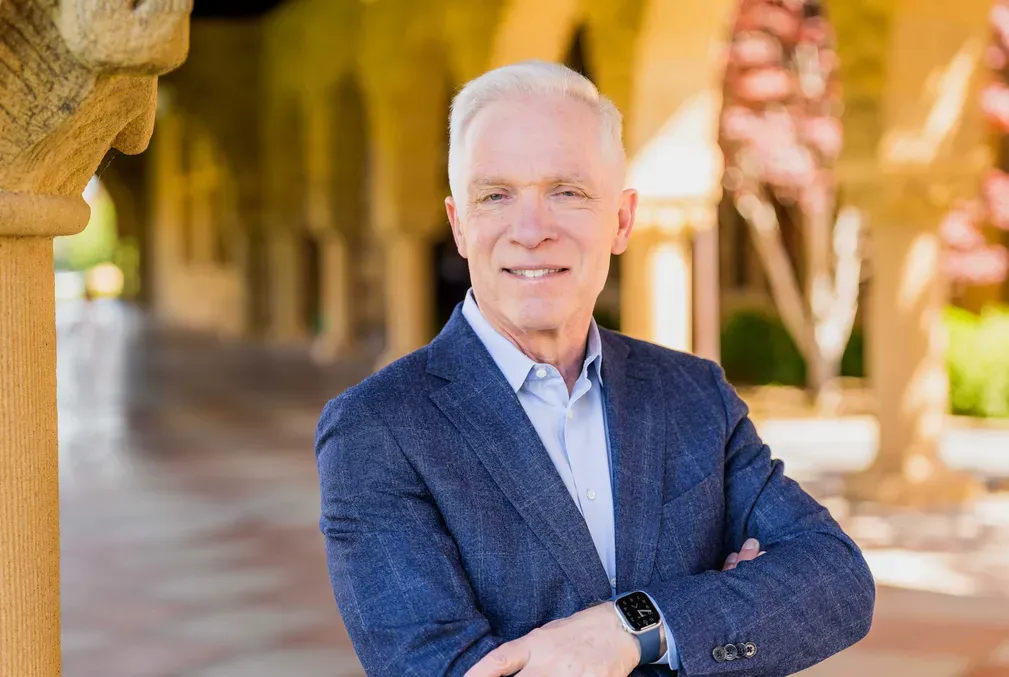
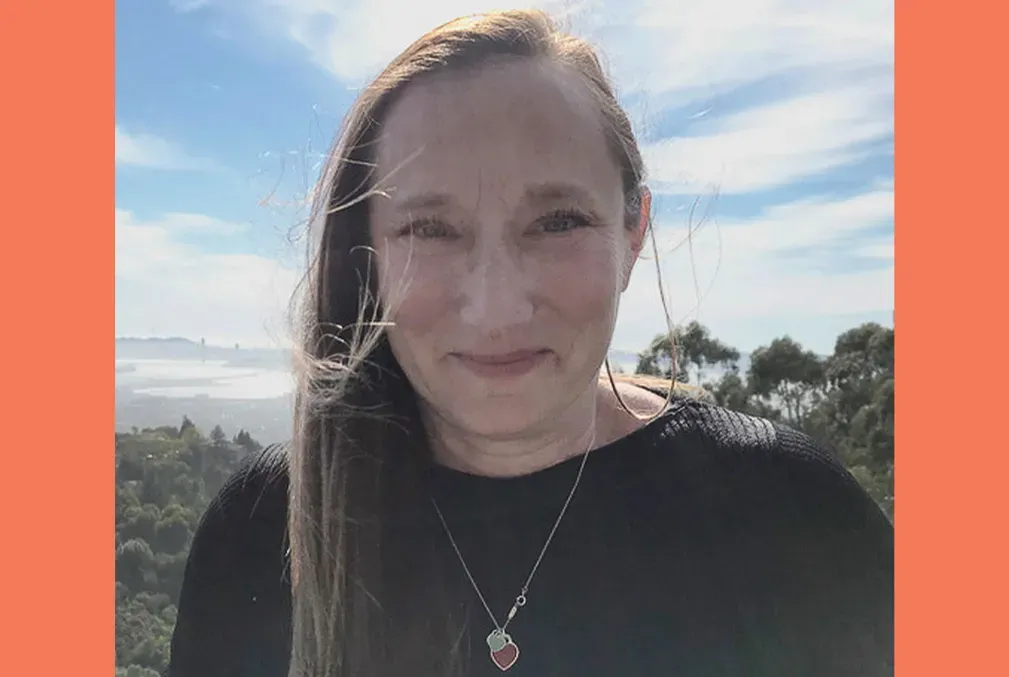
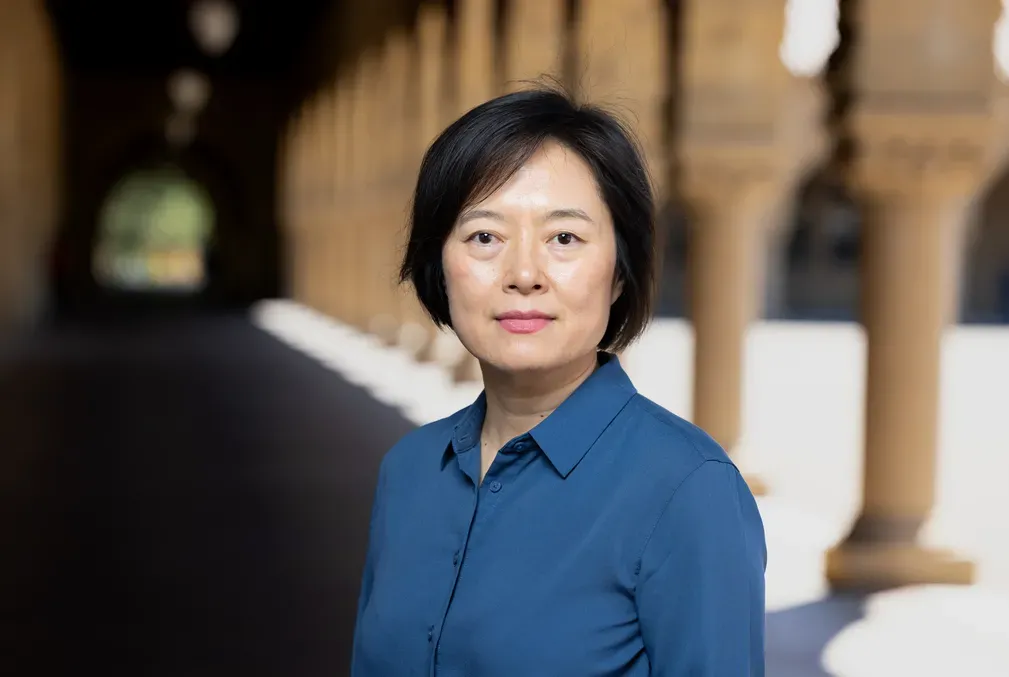
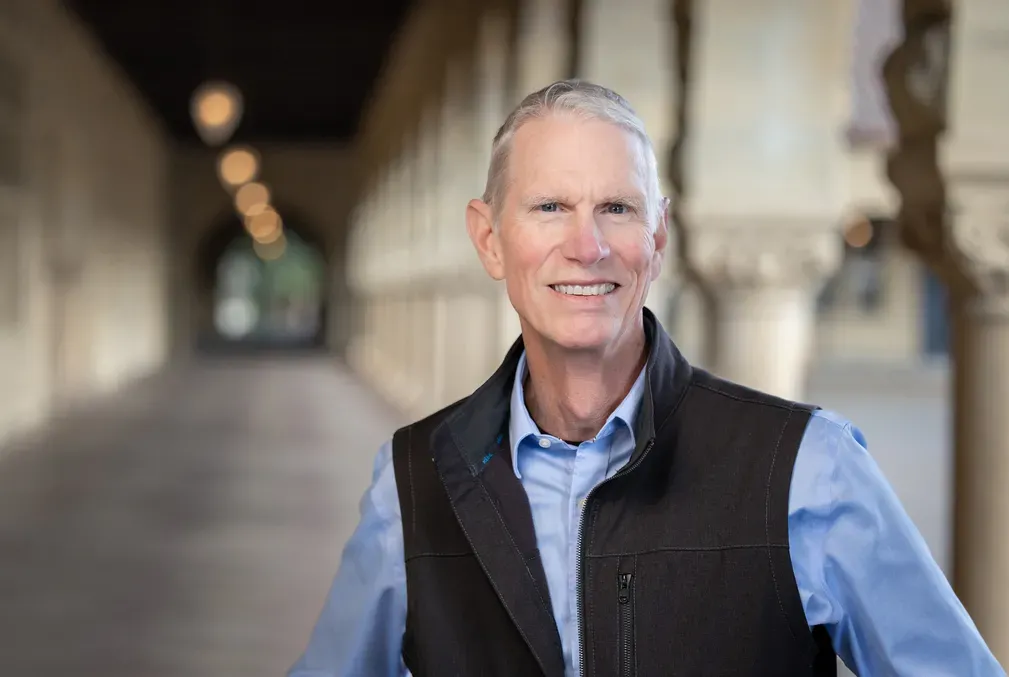
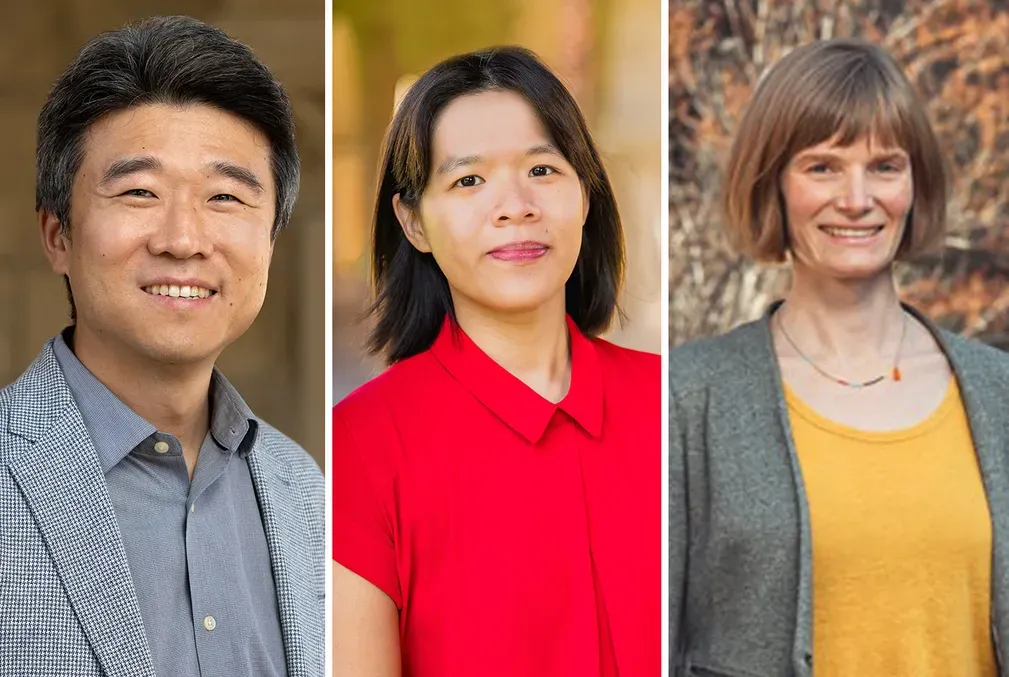
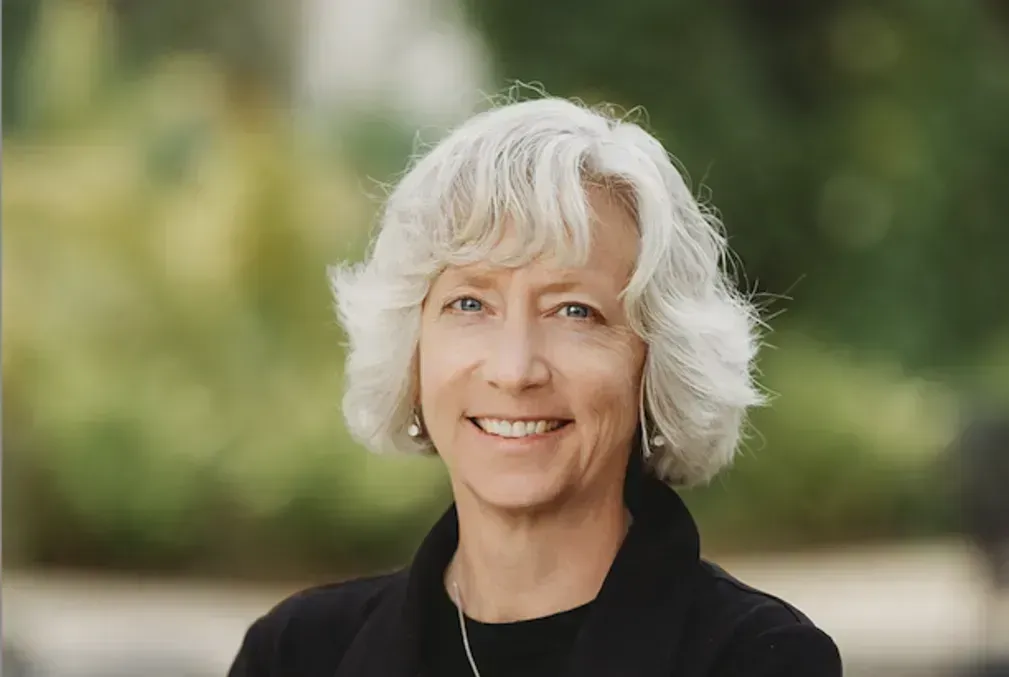
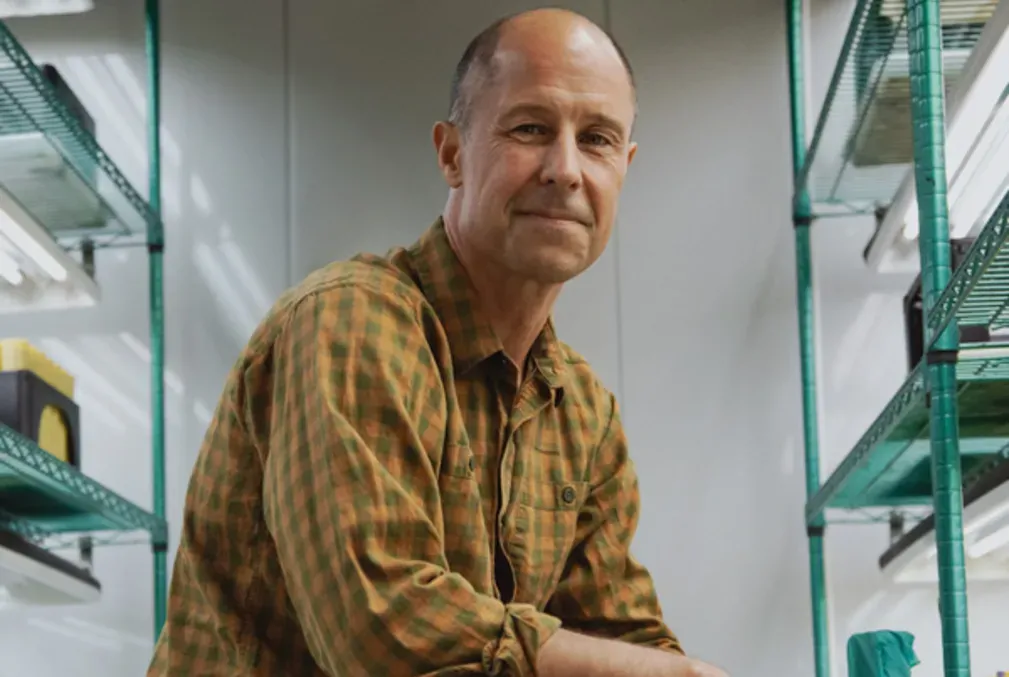
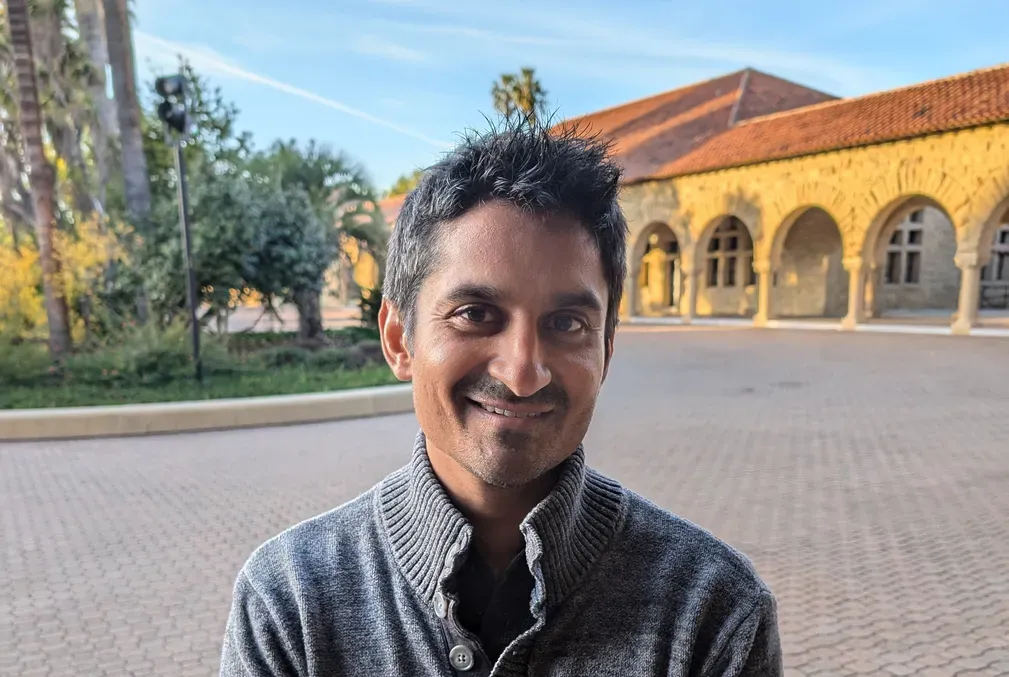
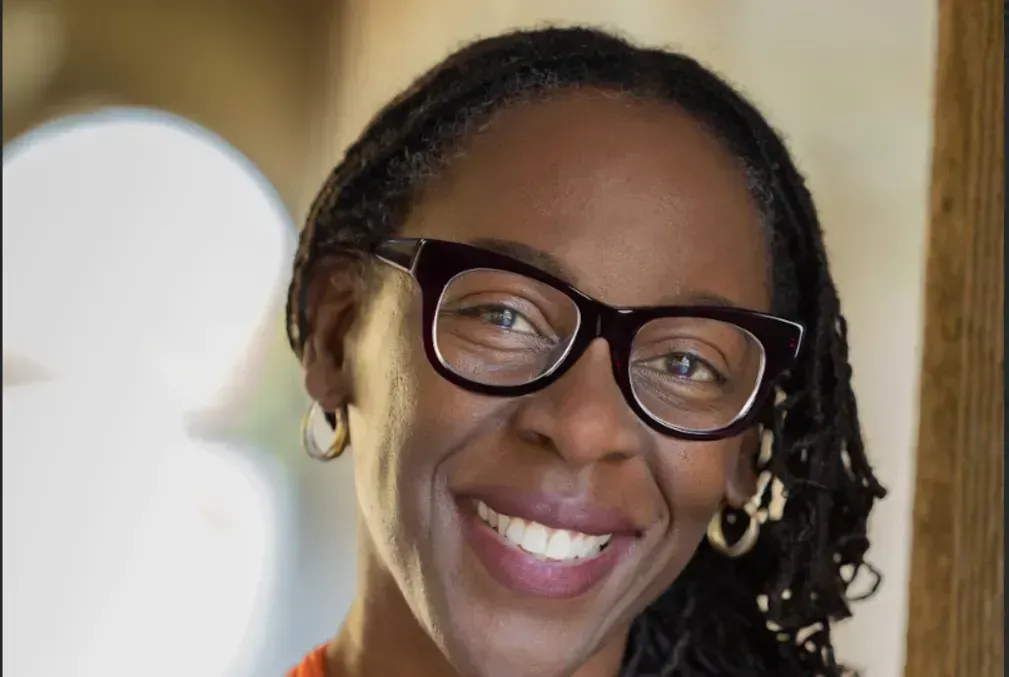
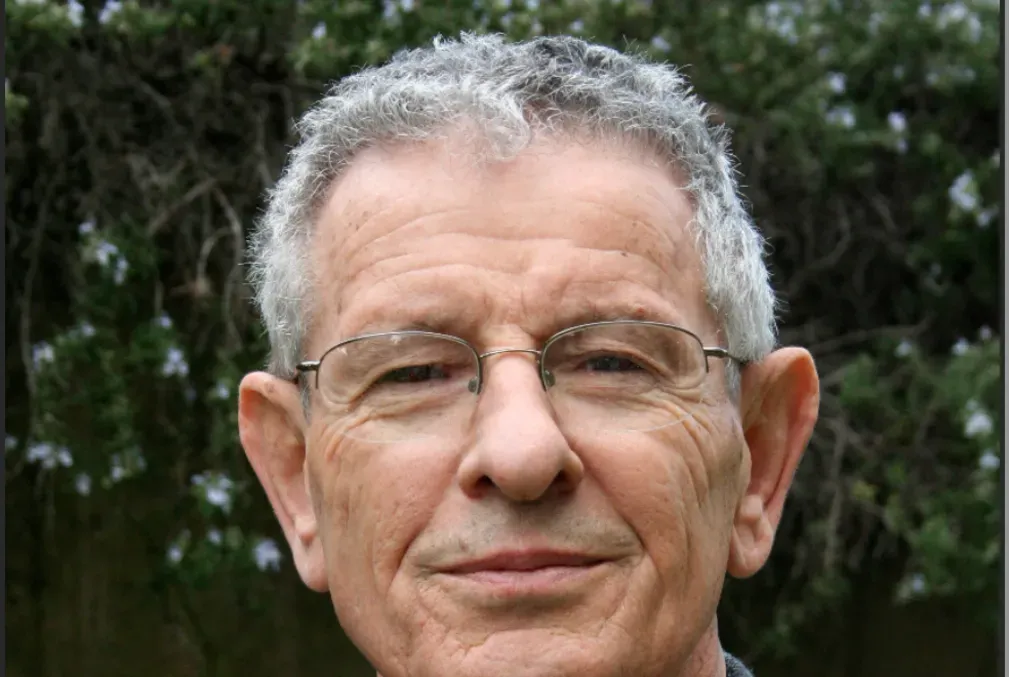
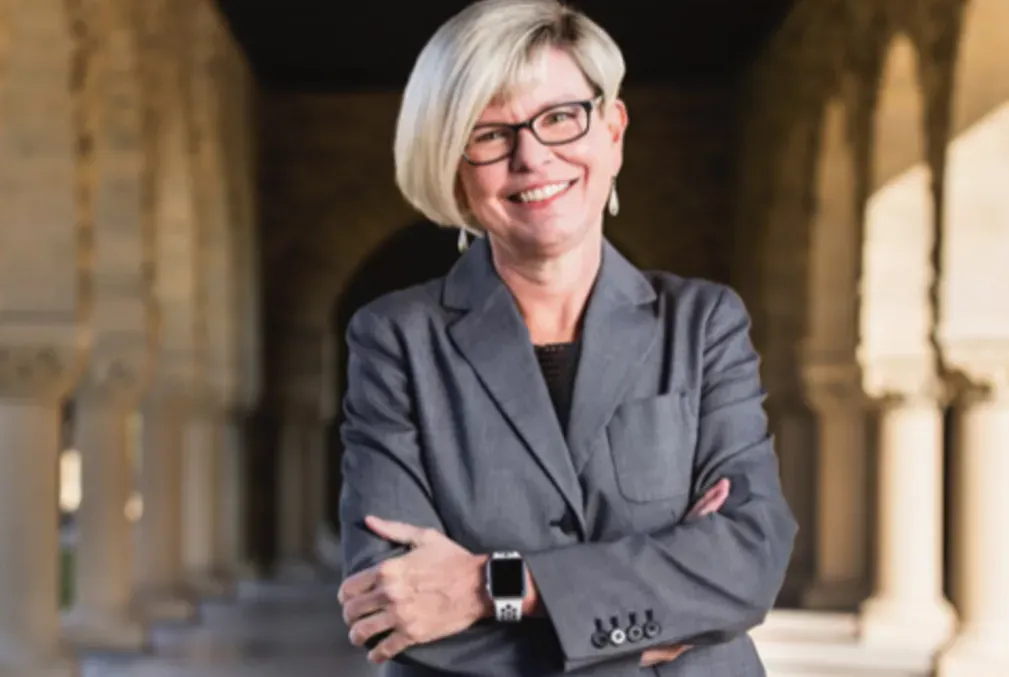
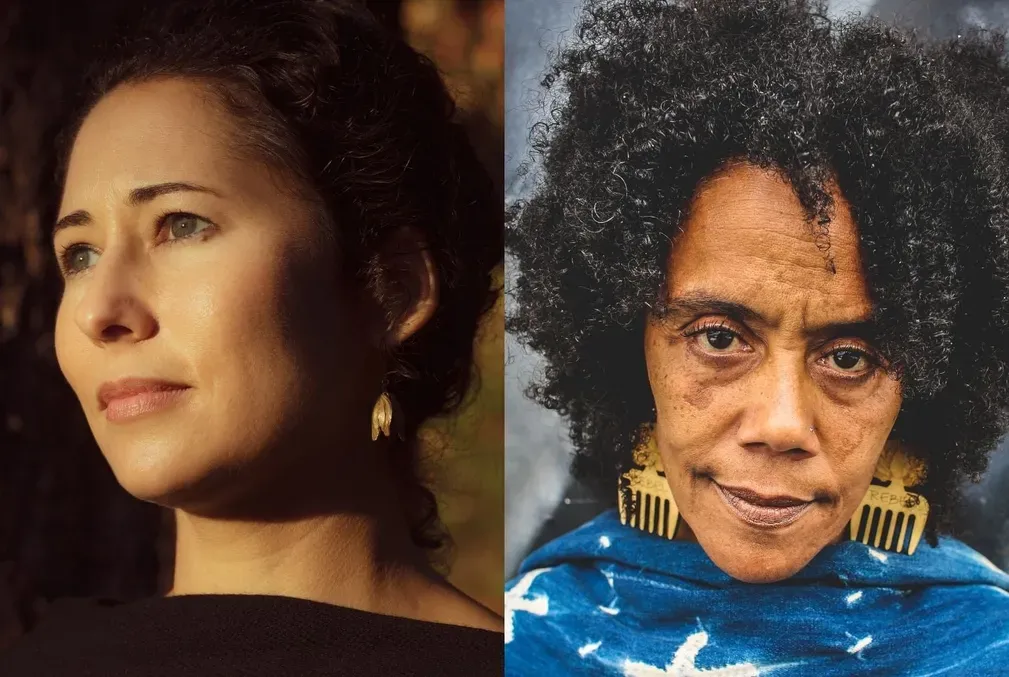
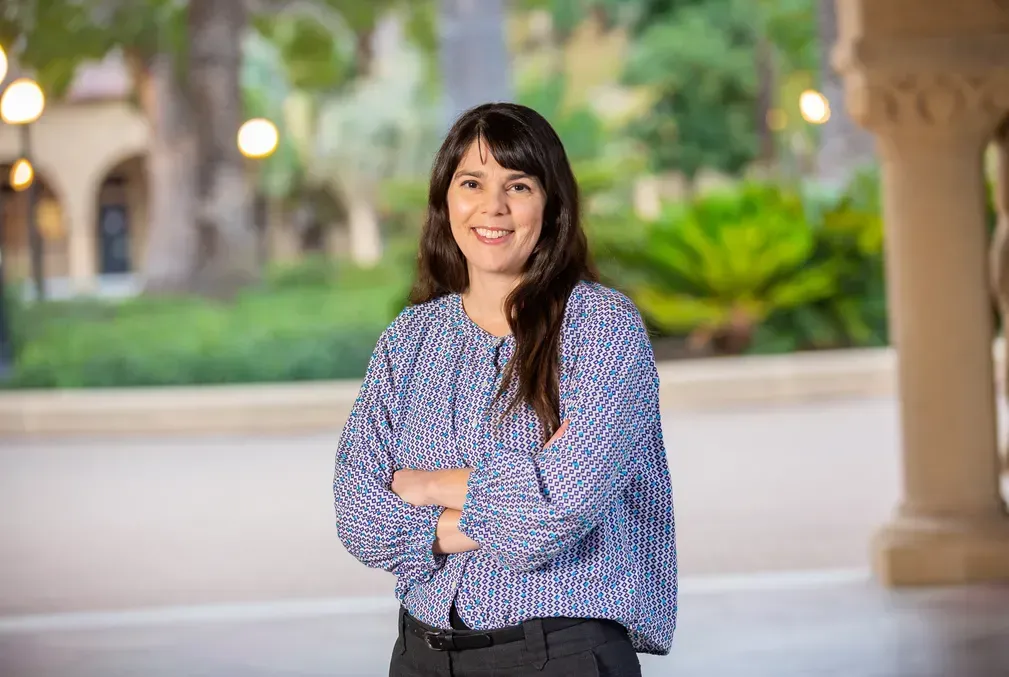
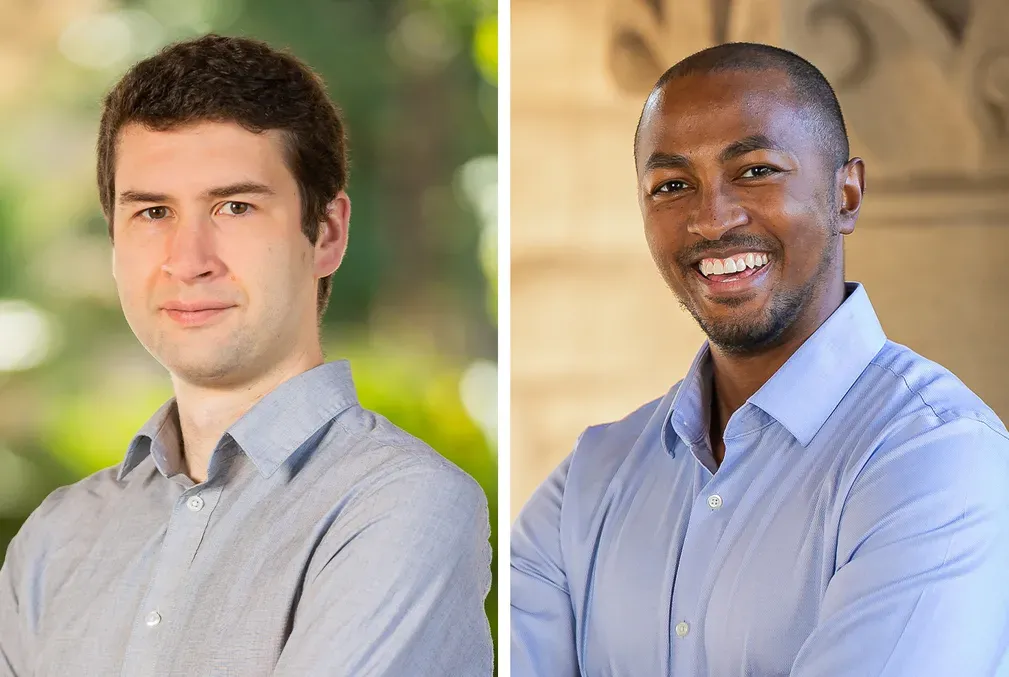
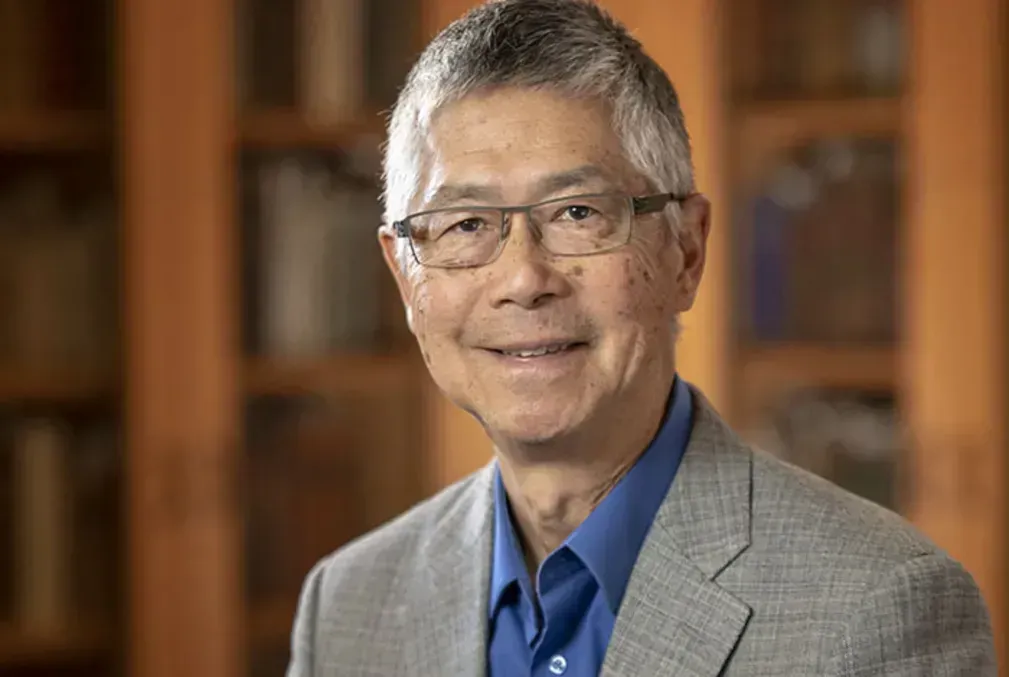
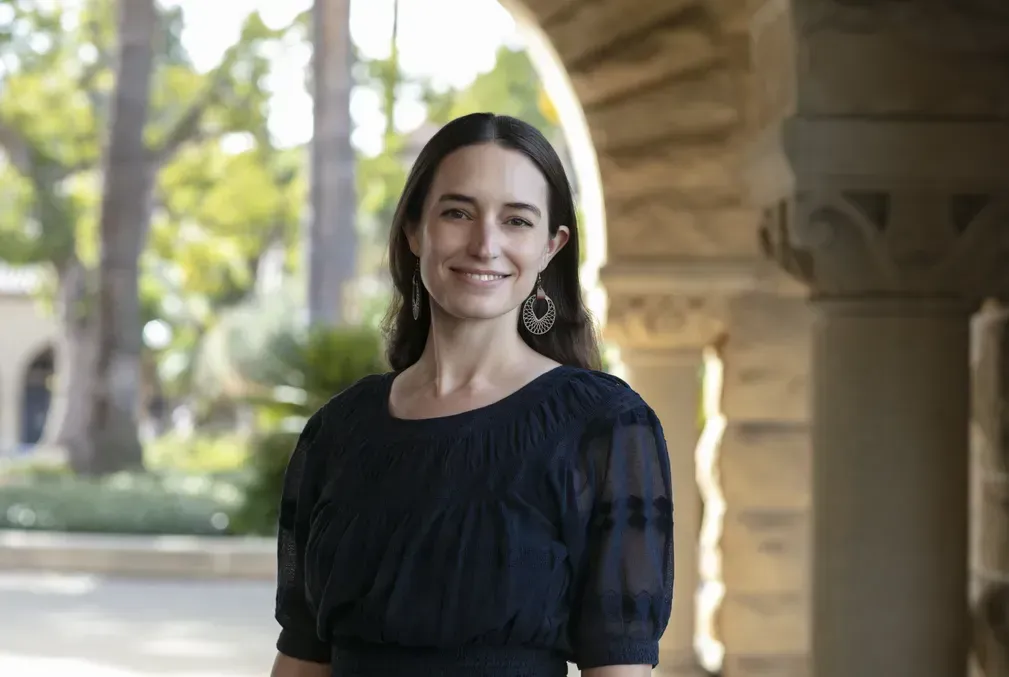
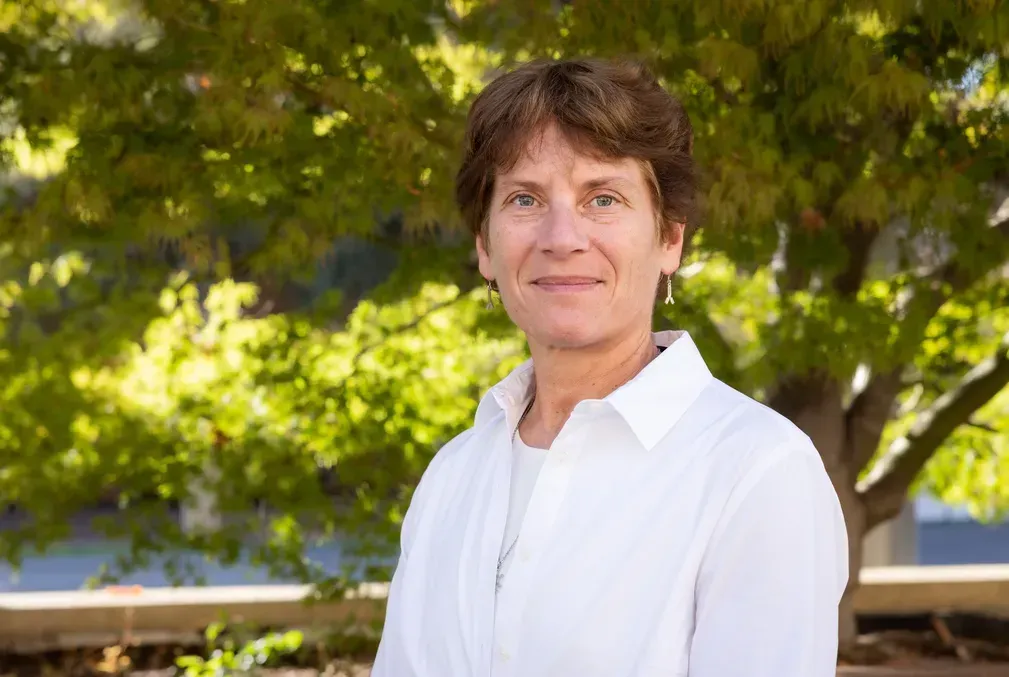
Angela Garcia is the Roger and Cynthia Lang Professor of Environmental Anthropology and chair of the Department of Anthropology in H&S.
Garcia’s project focuses on the growth and destruction of Santa Rita del Cobre, New Mexico. Using ethnographic and archival methods, she explores how the Chino Copper Corporation’s quest for copper was facilitated by the social and spatial transformation of the town, where miners and their families lived according to a strict policy of segregation by ethnicity: Mexicans and Mexican-Americans in Espinazo del Diablo (Devil’s Backbone) and Anglos in what was renamed Santa Rita. As she examines a Mexican neighborhood shaped by extractive capitalism and the labors and losses of its people, Garcia is connecting to her family history: Five generations of her relatives lived and worked in Devil’s Backbone.
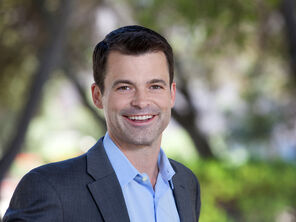
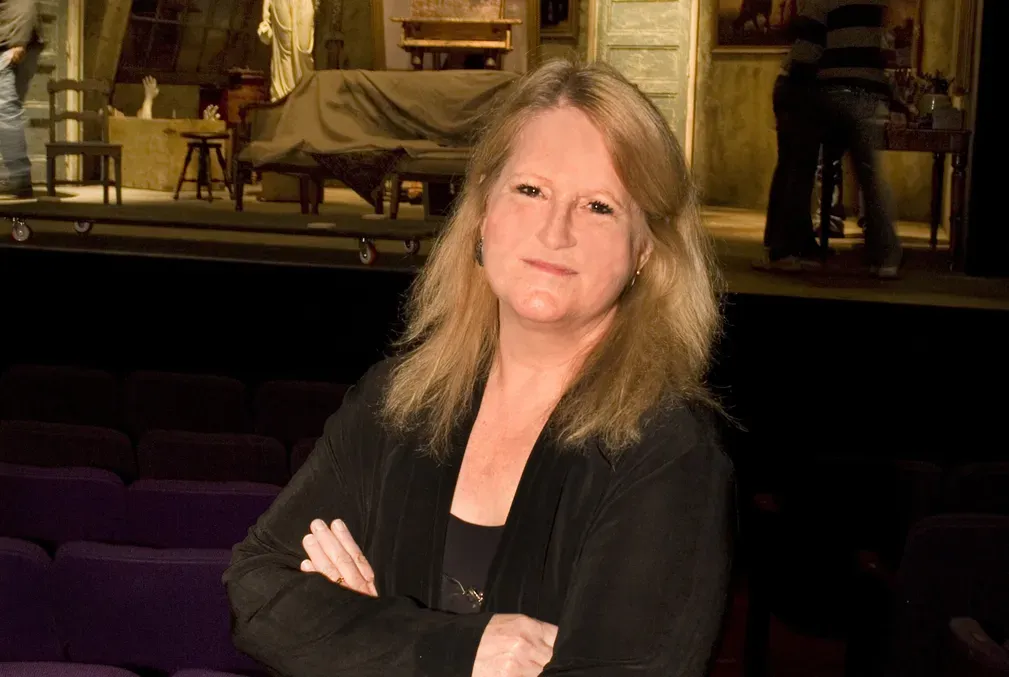
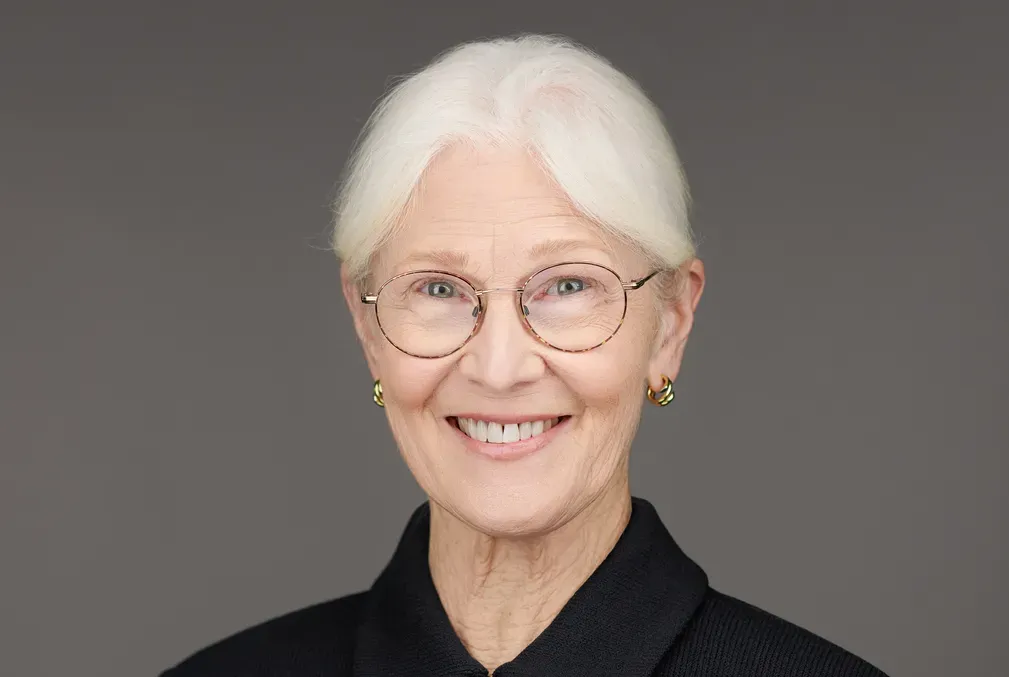
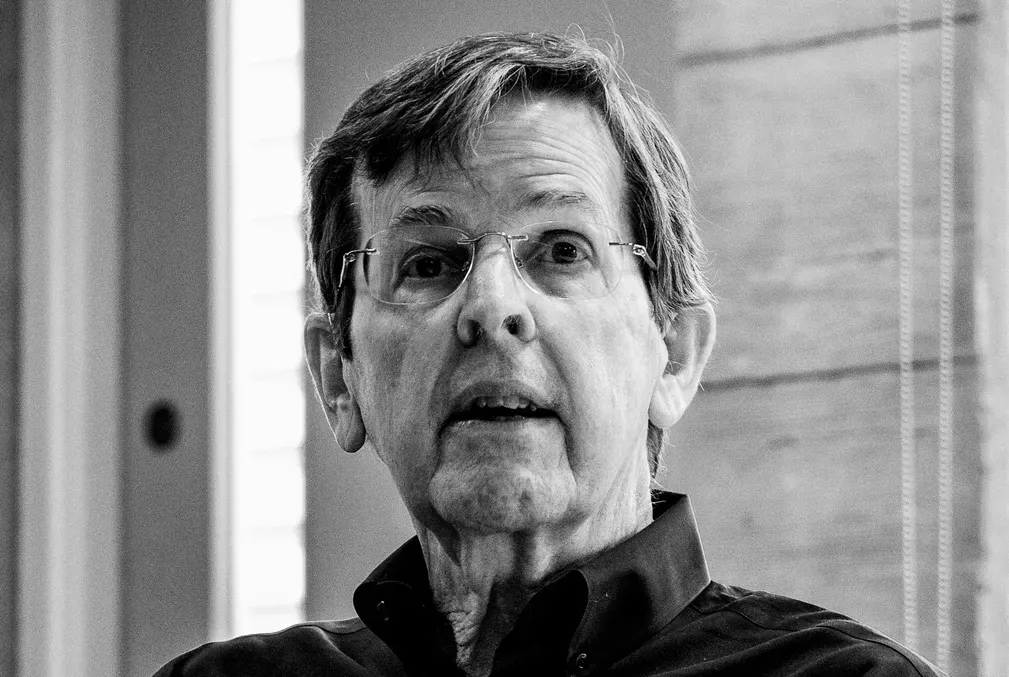
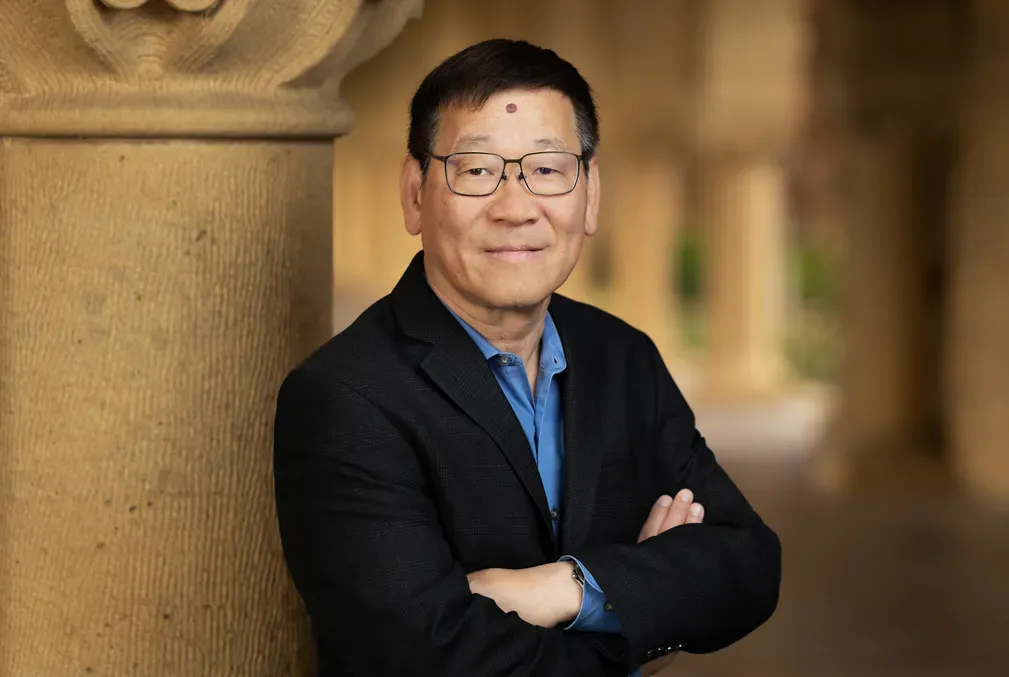
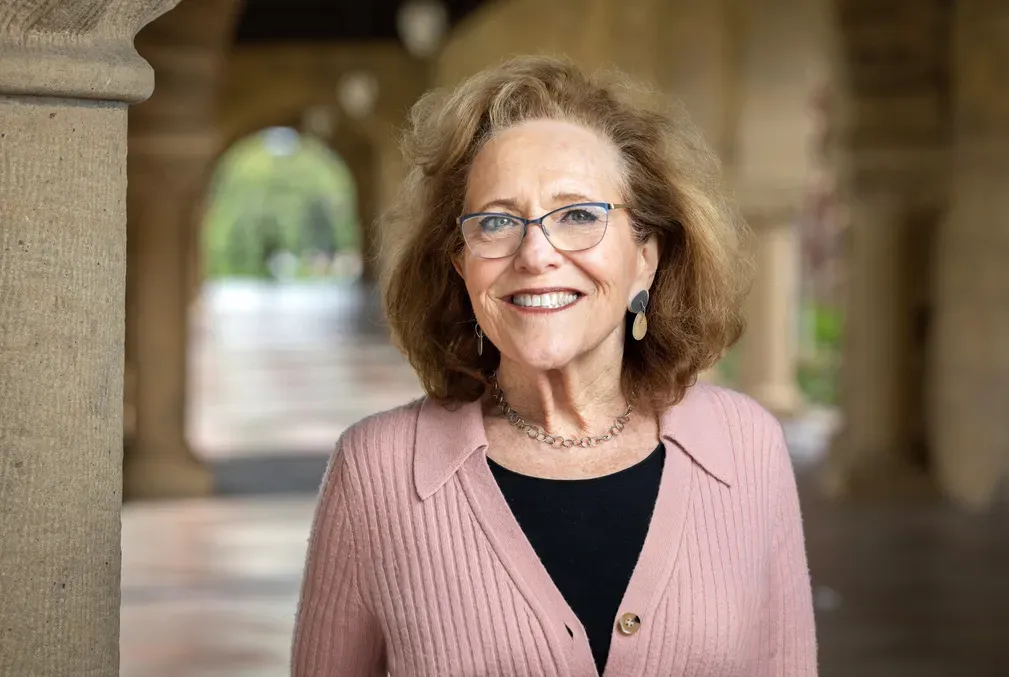
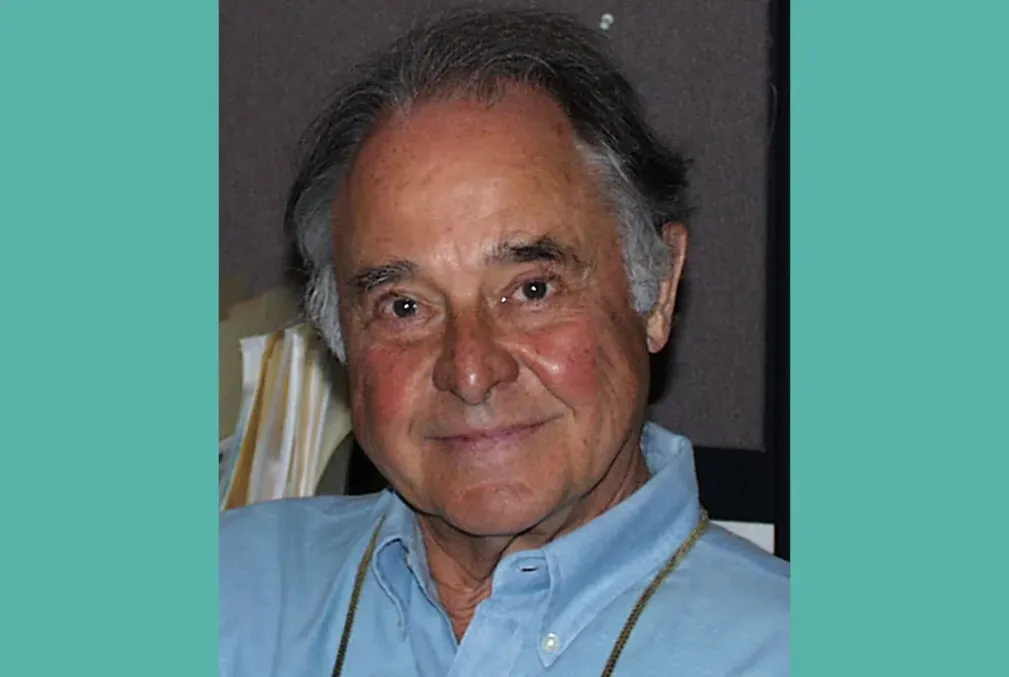
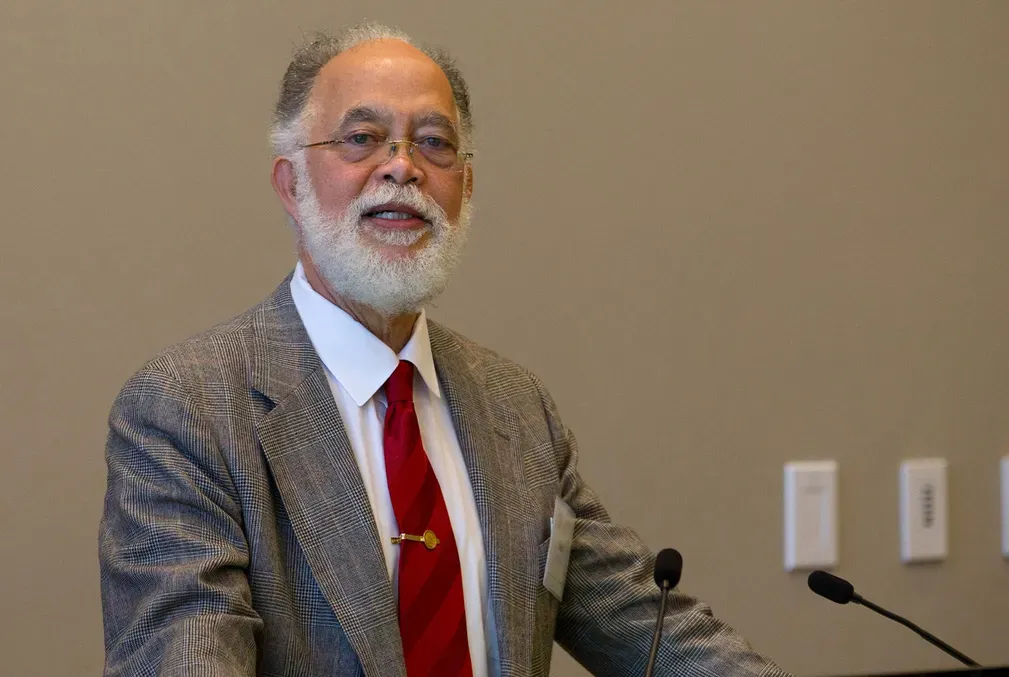
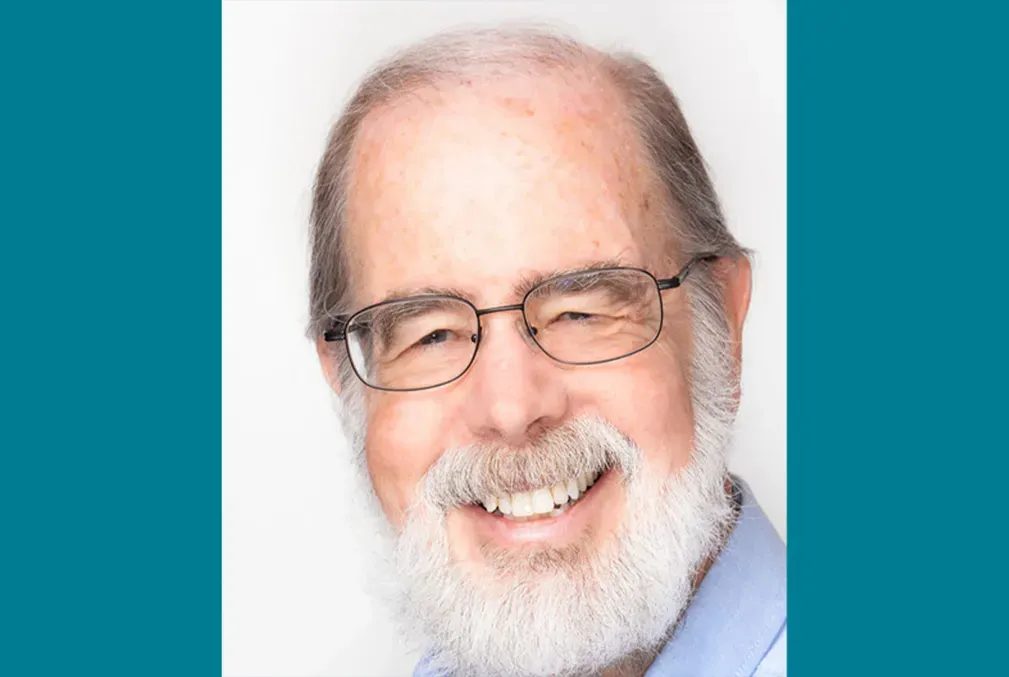
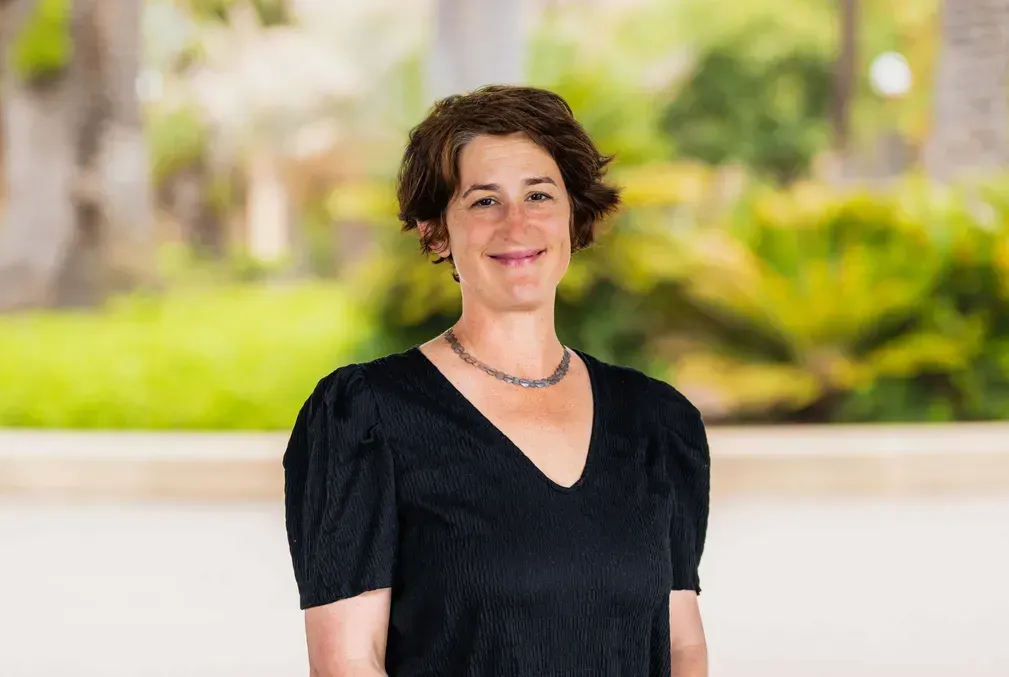
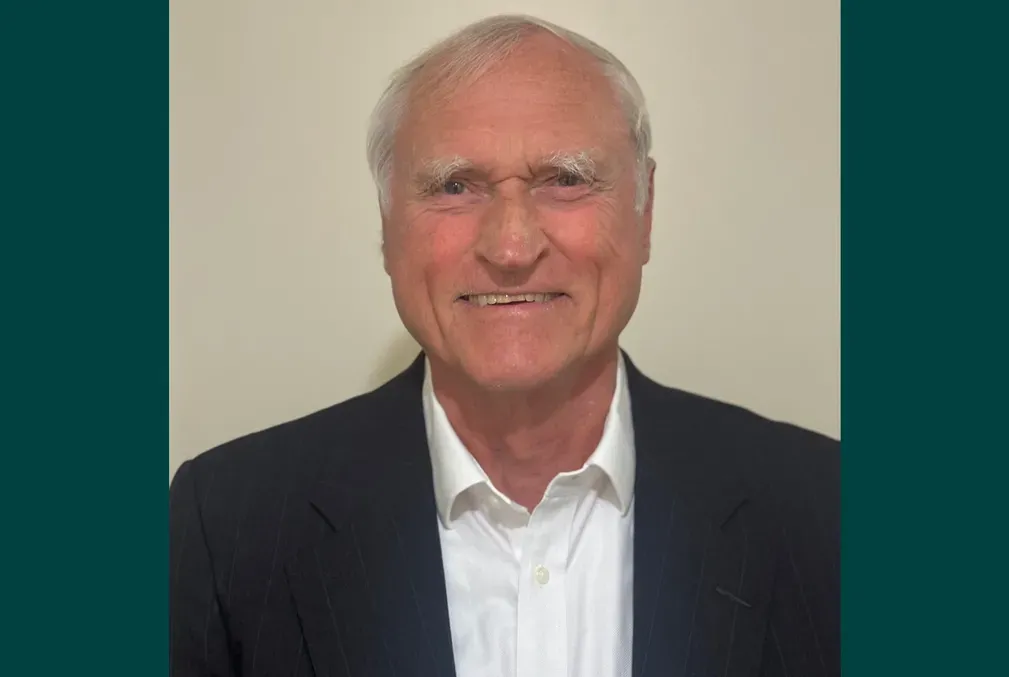
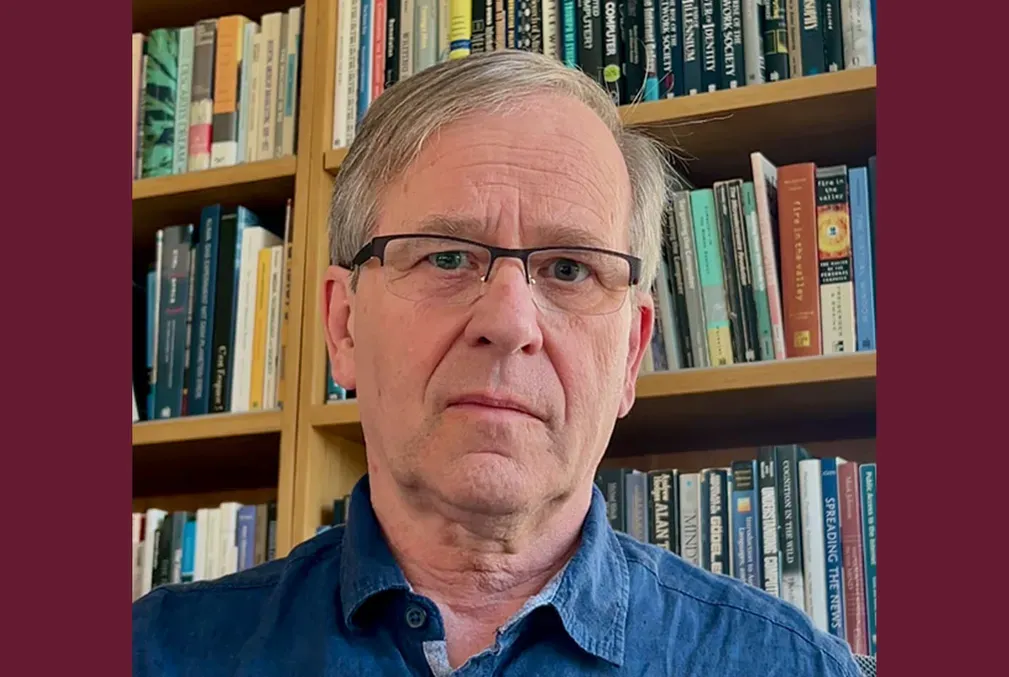
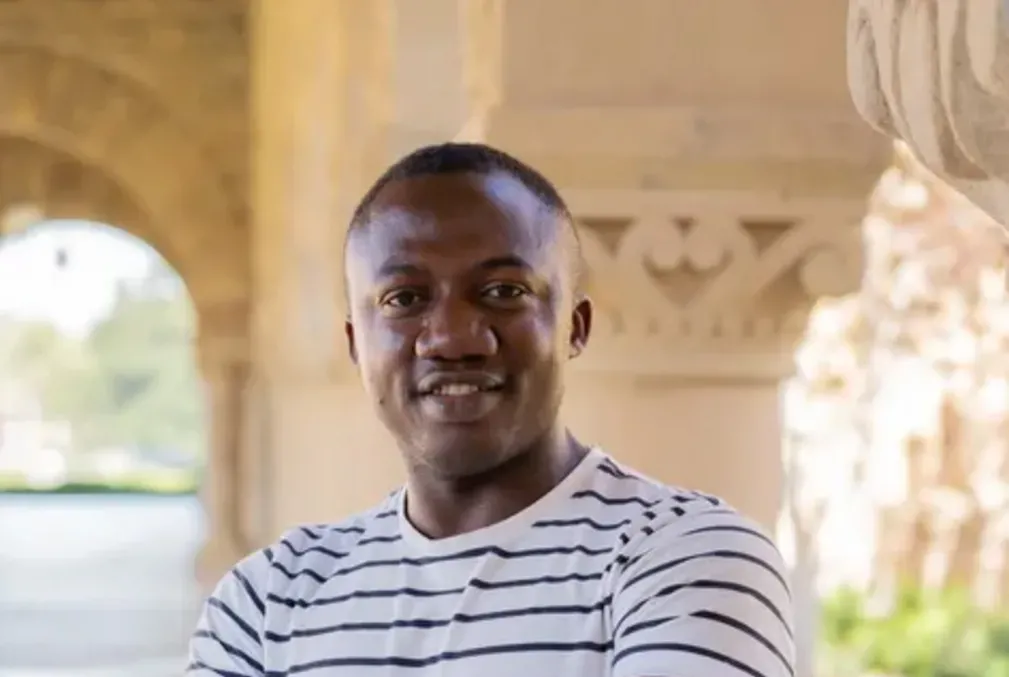
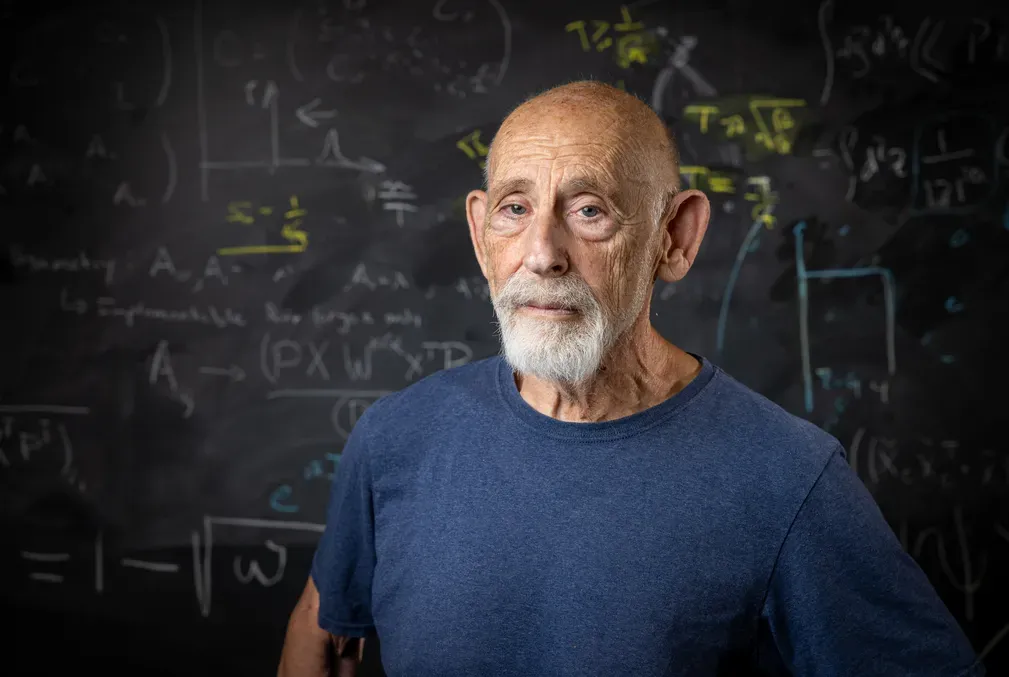
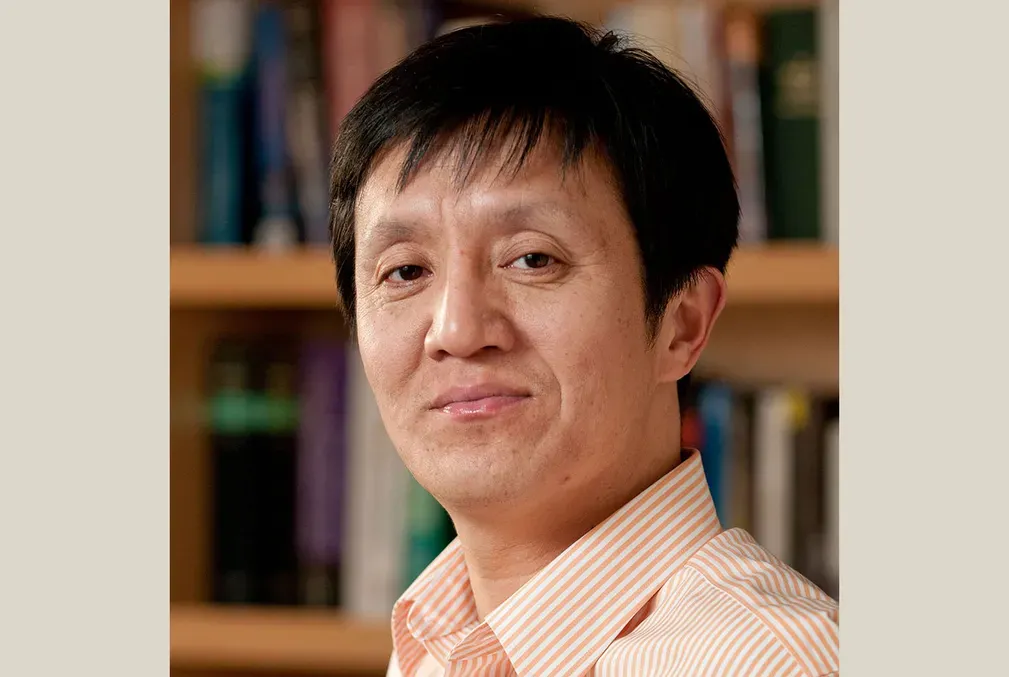
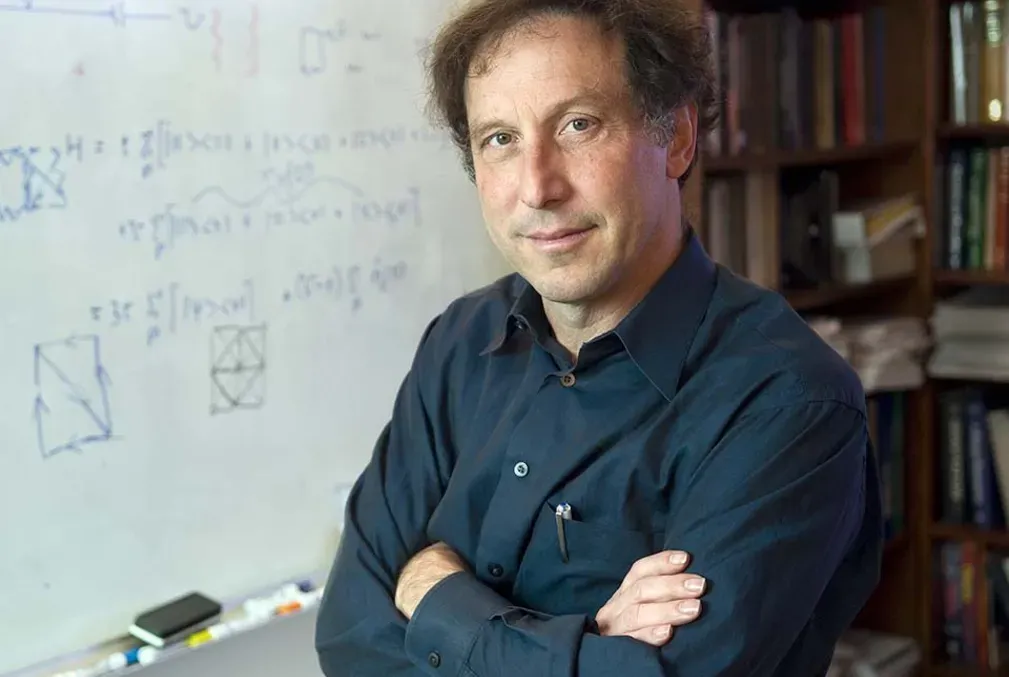
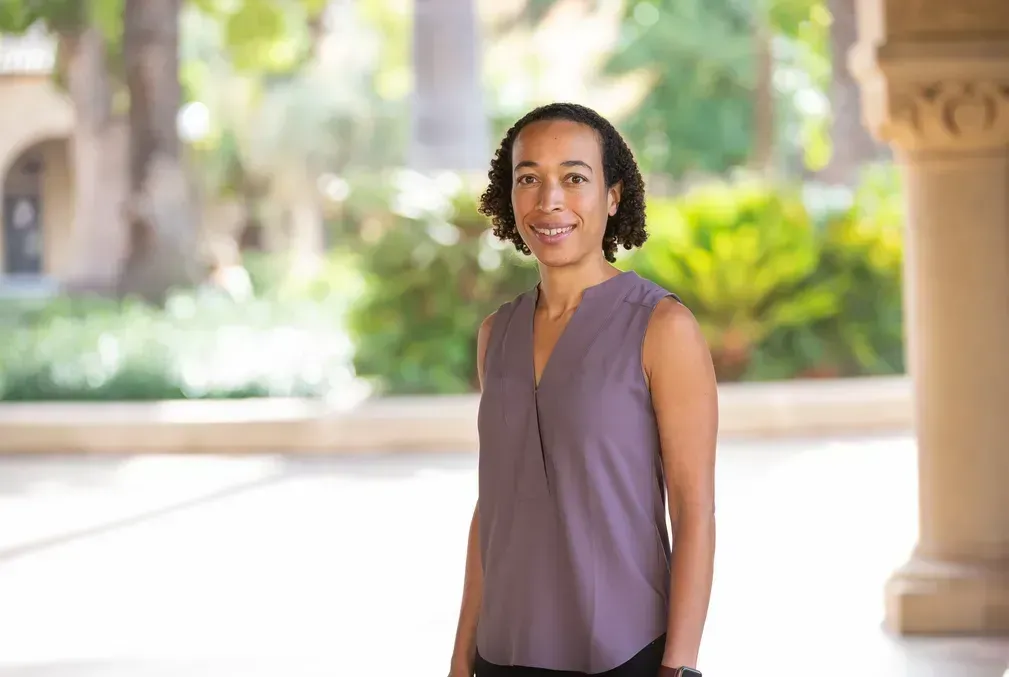
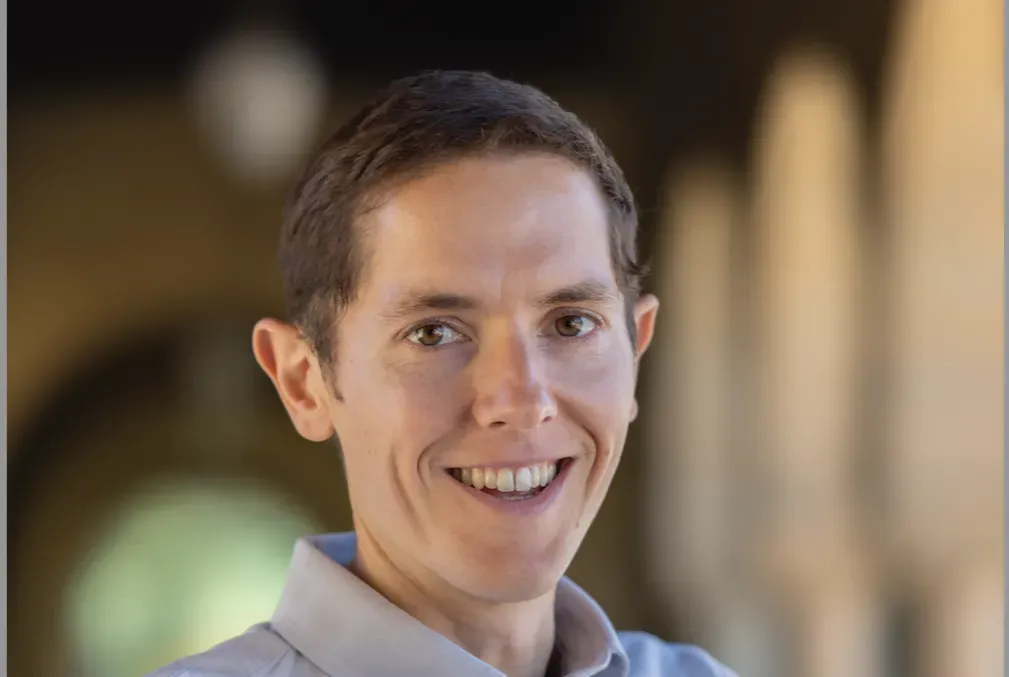
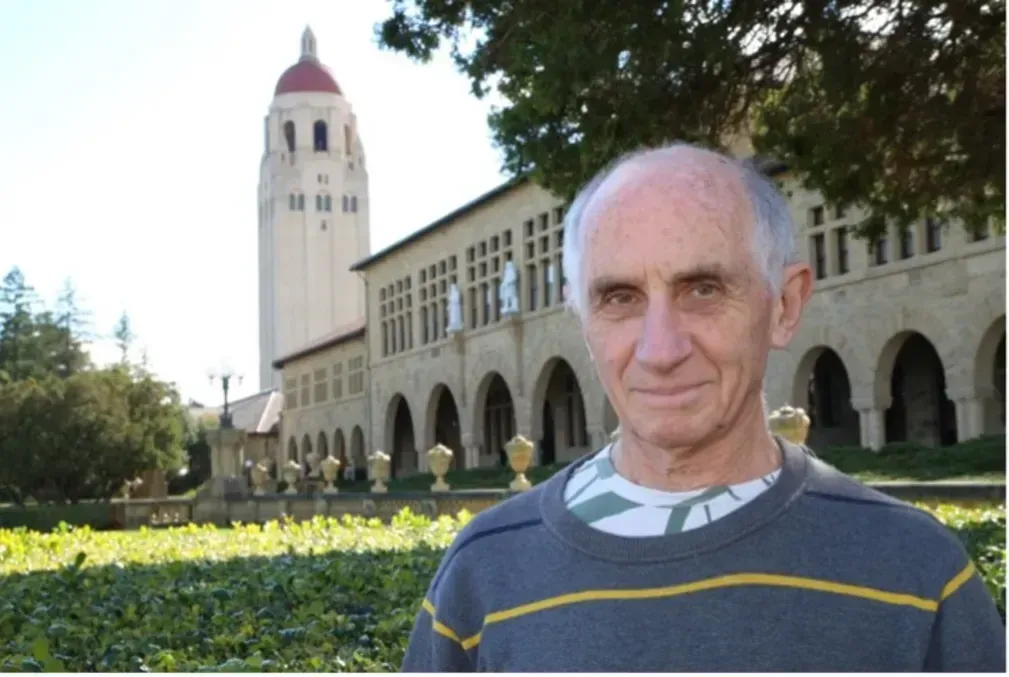
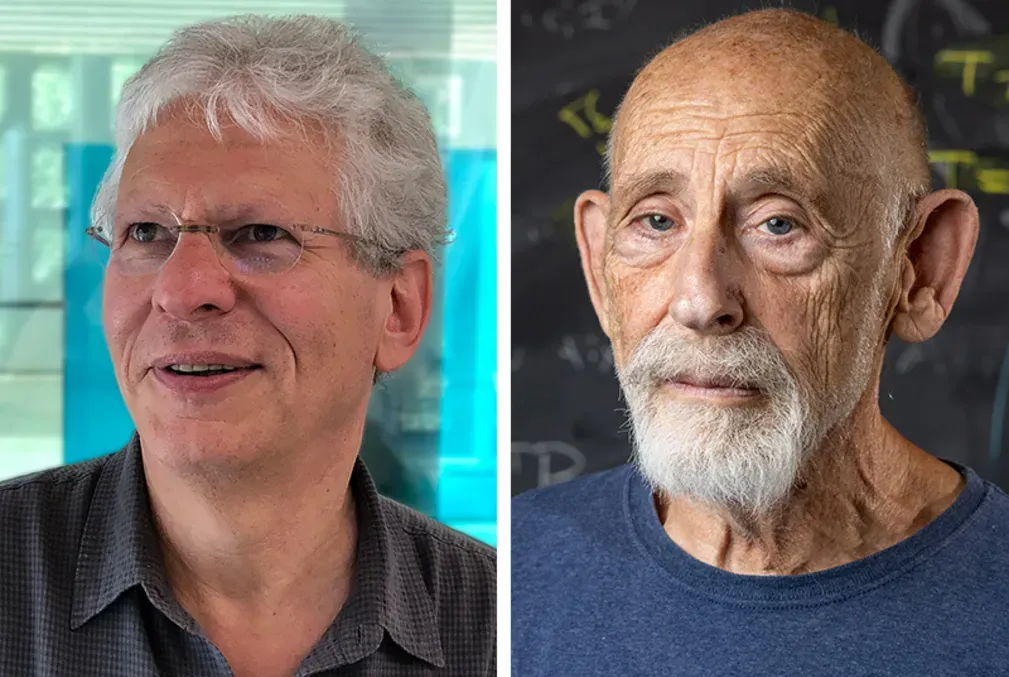
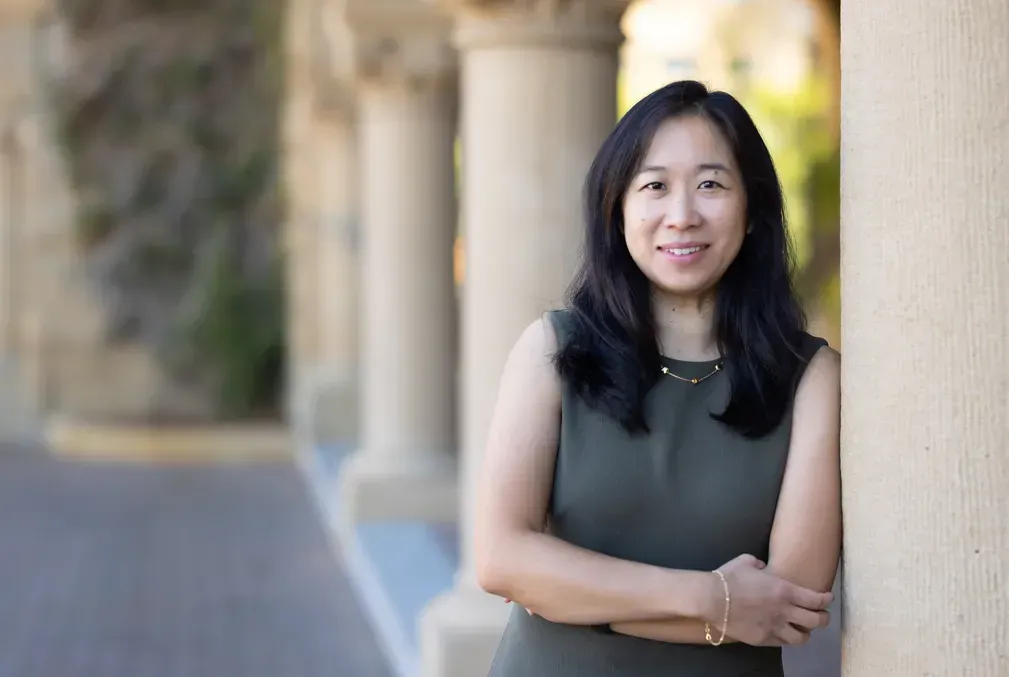
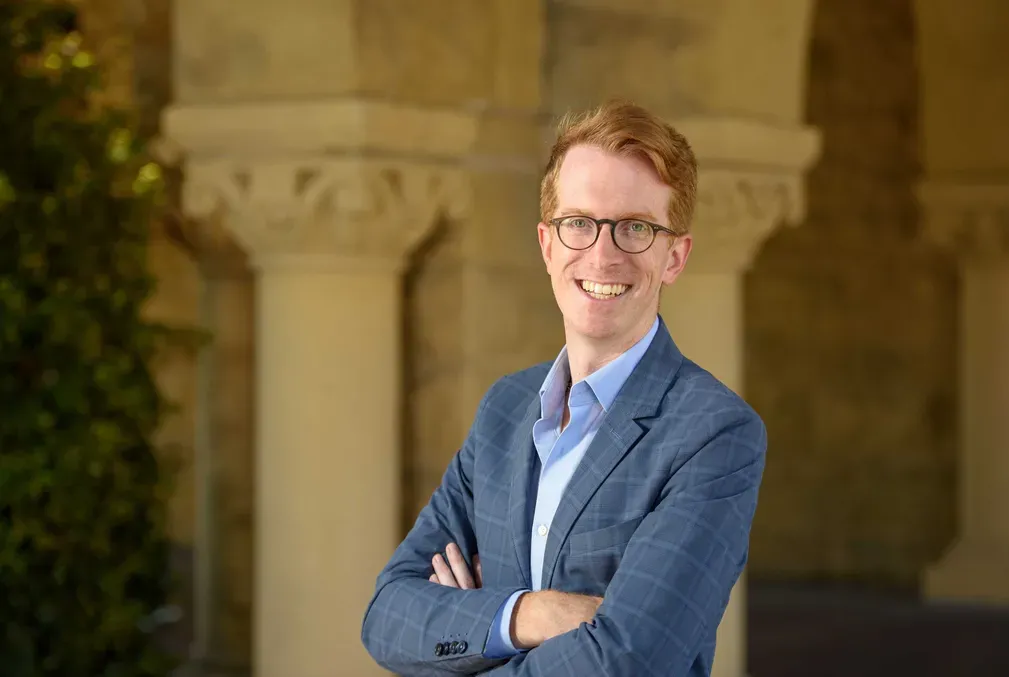
Robb Willer is a professor of sociology in H&S, co-director of the Stanford Center on Philanthropy and Civil Society, and a faculty affiliate of the Stanford Institute for Human-Centered Artificial Intelligence.
Willer studies how social science can help address major societal challenges. His research focuses on strengthening democracy, advancing social change, and applying AI for public benefit. Working across sociology, social psychology, political science, organizational behavior, and cognitive science, he uses experimental and computational methods to test interventions in real-world settings. His current projects examine political communication, polarization, democratic attitudes and norms, public opinion, institutional reform, and the consequences of activist tactics. He also develops and evaluates AI tools designed to improve democratic participation, public service delivery, forecasting of social behavior, and collective well-being.