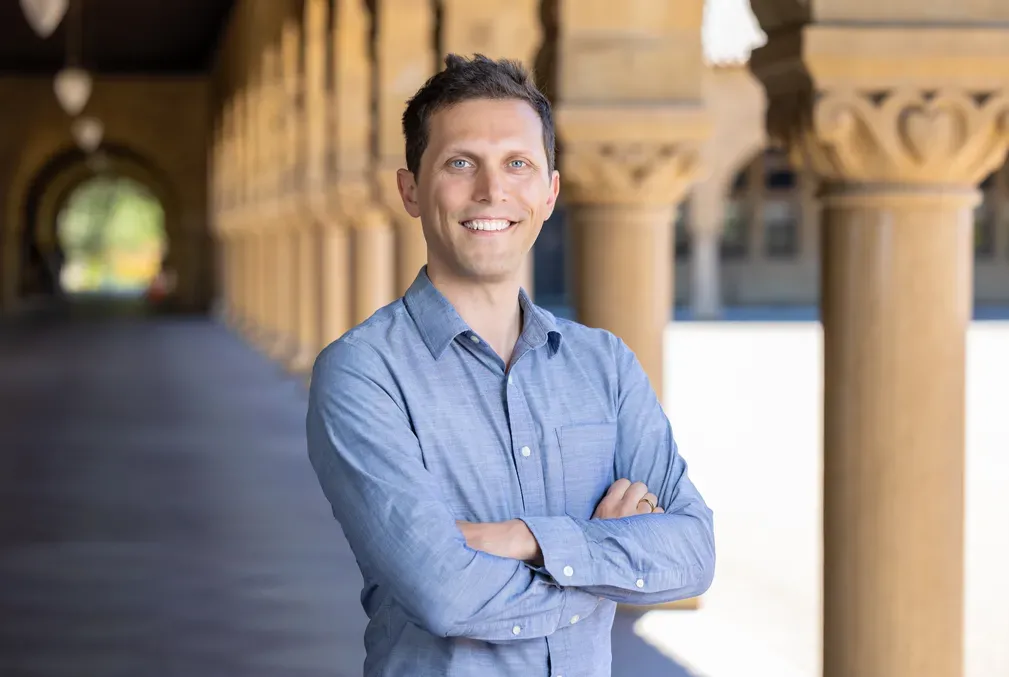
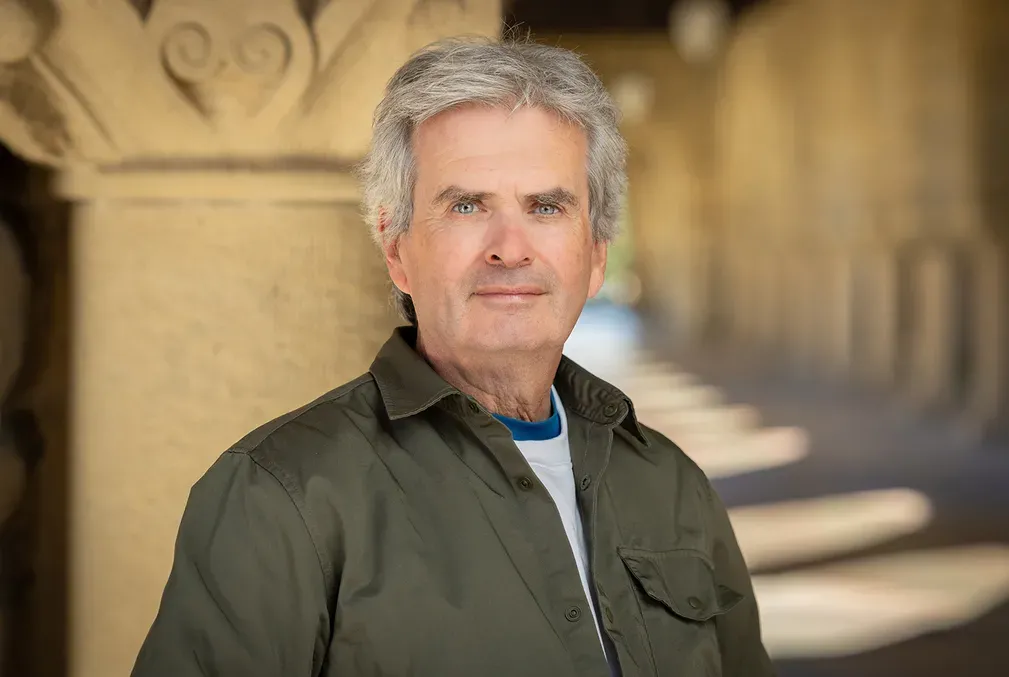
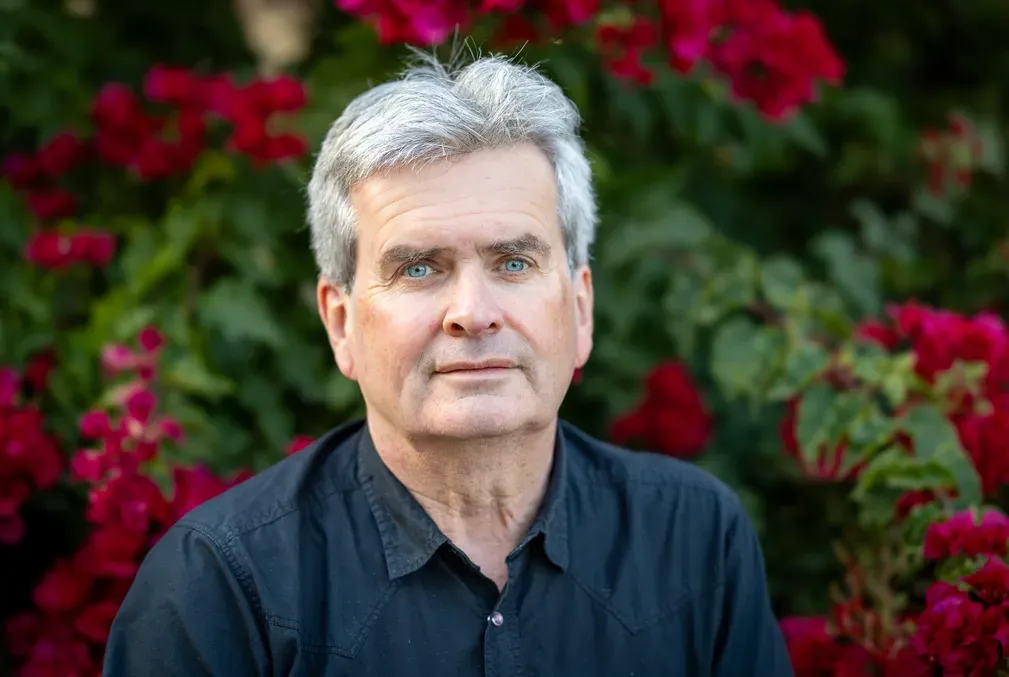
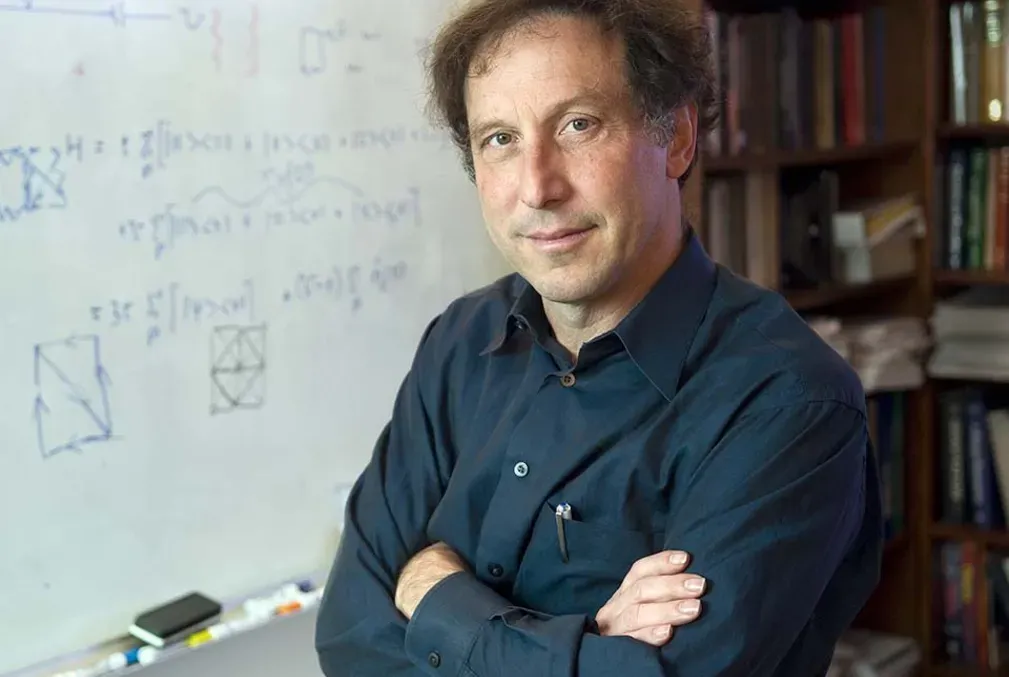
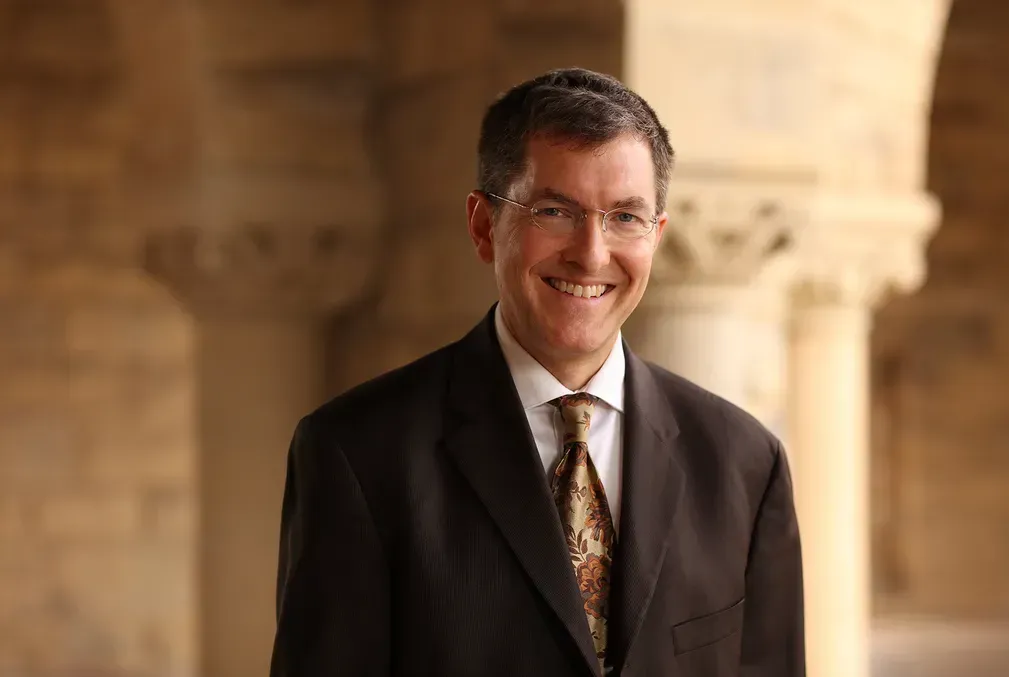
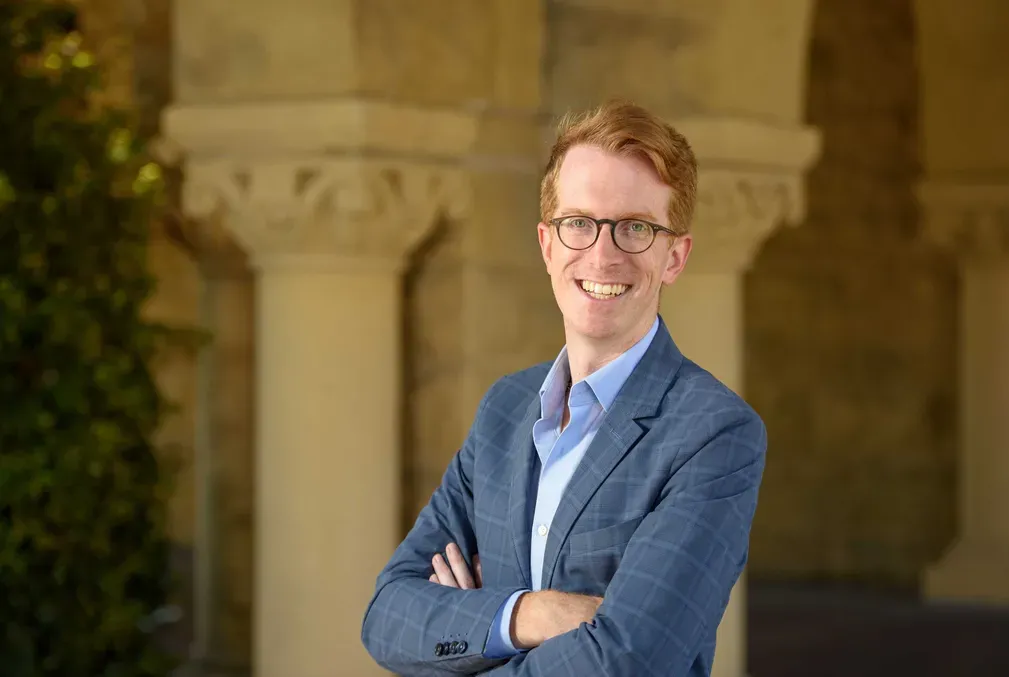
Emmanuel Candès wins Shaw Prize in math
Revealing that complex, high-resolution results can be extracted from sparse data, Candès’ work has revolutionized information processing and brought benefits to everyday life.
As a field, mathematics has a reputation for dealing more in academic abstraction than real-life application. A closer look reveals math as the foundation for understanding the world and solving problems, and the career of Stanford mathematician Emmanuel Candès puts this into focus. His work routinely impacts our everyday experiences in ways both playful and profound.
For instance, Candès developed the mathematics underlying modern recommendation systems, helping us choose what show to watch next. He also pioneered statistical approaches for dramatically shortening medical scan times, improving diagnostic accuracy and ultimately saving lives. Candès’ influence extends further into enhancing image processing, honing artificial intelligence, and making scientific studies more rigorously reproducible.
The theme across Candès’ far-reaching work? Achieving more with less. By finding methods of statistically extracting meaning from sparse information, he has repeatedly shown that relatively few data points can yield major insights.
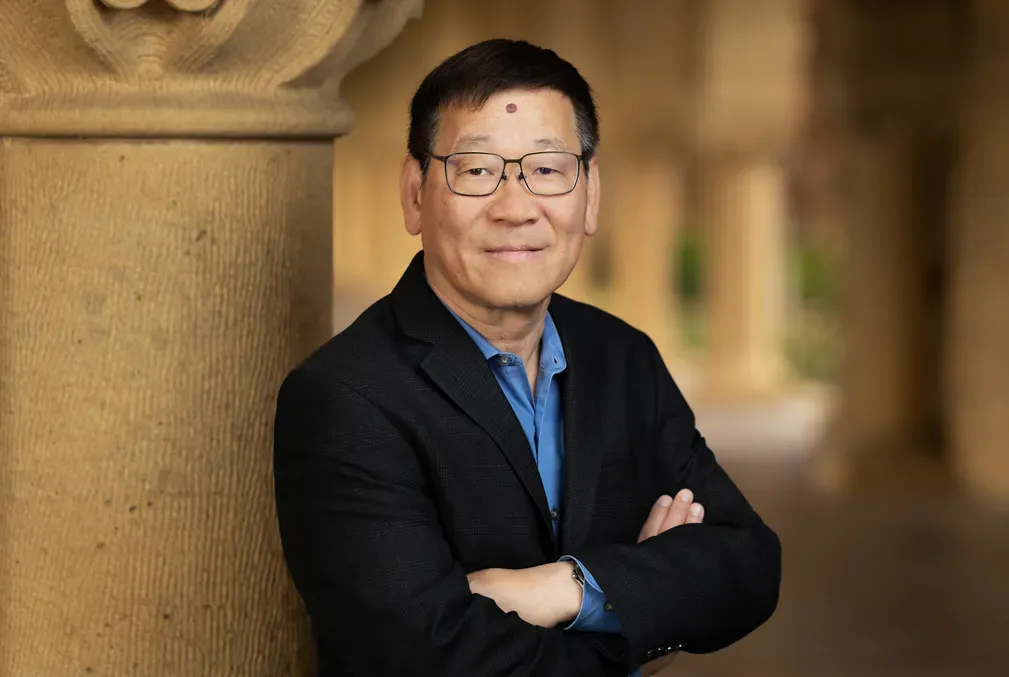
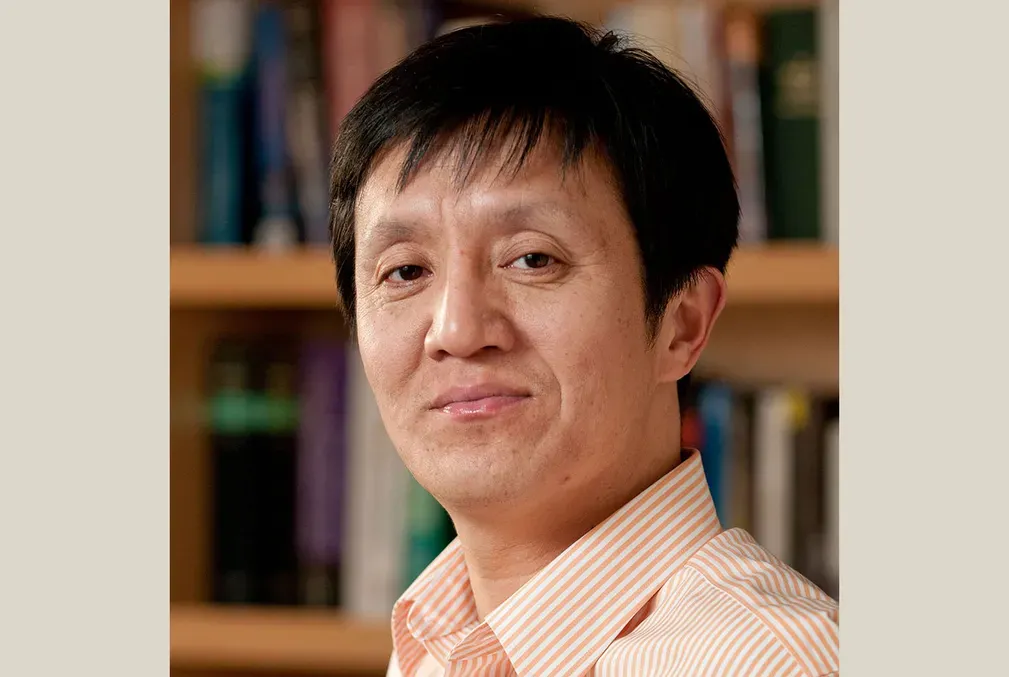
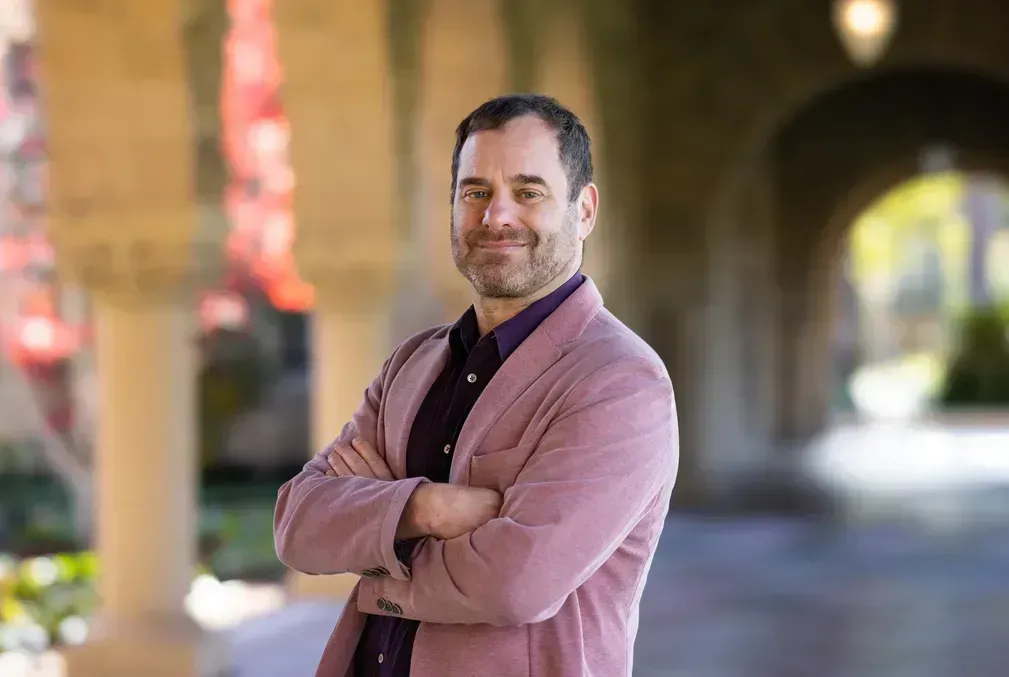
In recognition of his breakthrough research, Candès, along with Camillo De Lellis of the Institute for Advanced Study, recently received the 2026 Shaw Prize in Mathematical Sciences. The Hong Kong-based Shaw Prize Foundation bestows honors often referred to as the “Nobels of the East.” In a statement, the foundation highlighted Candès’ “use of deep techniques from mathematical analysis to rigorously understand applied problems in information theory, signal processing and statistics.”
“It is a great honor to receive the Shaw Prize,” said Candès, the Barnum-Simons Chair in Math and Statistics in the School of Humanities and Sciences (H&S). “I feel very lucky to have been able to make contributions to so many fields outside of my own.” For his success, he is eager to point to the indispensable contributions from colleagues and former students, many of whom have gone on to be professors and business startup leaders. “Without them, none of this would be happening,” Candès said. “They have dramatically expanded my reach.”
Candès learned he had won the prize via an email on his phone mere minutes before playing piano onstage at a recital in Palo Alto. For all his celebrated skill in mathematics—he has also won a MacArthur “genius grant” plus numerous other awards—Candès does not claim similar proficiency in music. He performed Adagio from Johann Sebastian Bach’s Concerto in D Minor (BWV 974). “It’s a very beautiful piece,” Candès said, adding jovially, “but if you want to have a beautiful rendering, then you should listen to someone else.”
Working across fields
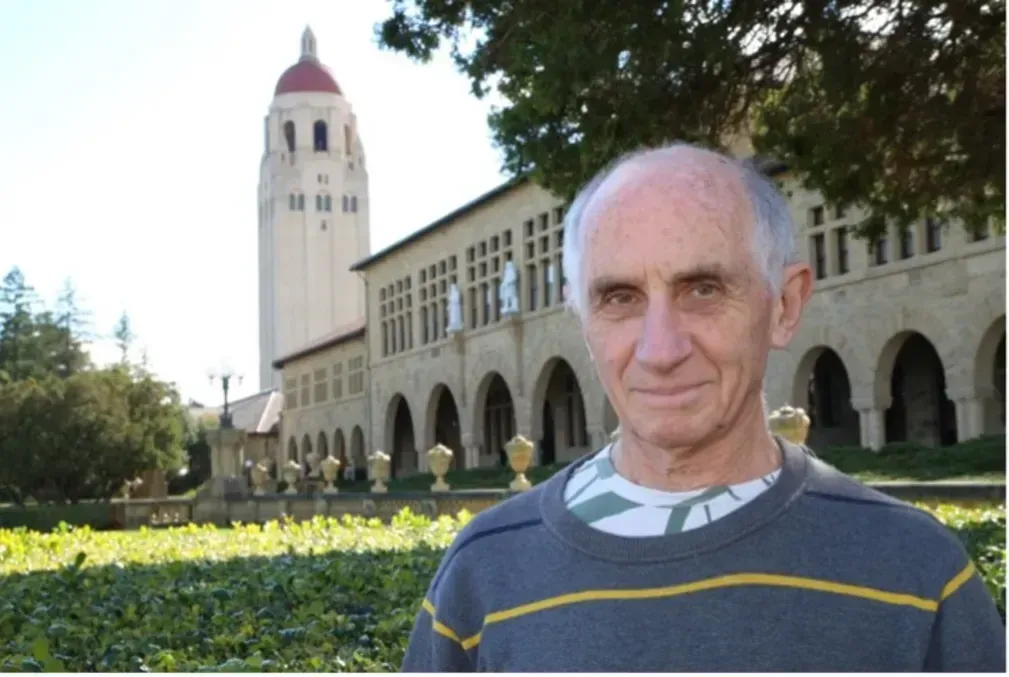
Growing up in Paris, Candès always had a fondness for math and physics. Seeking to do something original scientifically, he came to Stanford in the mid-’90s for his doctorate, studying under statistician David Donoho, the Anne T. and Robert M. Bass Professor in the School of Humanities and Sciences who also won the Shaw Prize in math, in 2013.
At Stanford, Candès said he was “blown away by the scientific culture” with an interdisciplinary approach “where it’s very important to look outward and pay attention to what’s going on in other fields and try to see what are people struggling with and how can you use what you know to make a difference.”
In his latest phase of research, Candès is focusing on the intersection of AI and statistics. Problems he and his students are tackling include optimizing drug discovery and large language model answer generation, again demonstrating how academic mathematics can touch everyday life.
Candès is also a professor of statistics and of mathematics in H&S and, by courtesy, of electrical engineering. He is a member of Bio-X and the Institute of Computational and Mathematical Engineering. In addition, he is associate director of the Stanford Institute for Human-Centered AI.